
Botox for TMJ: How It Relieves Jaw Pain and Clenching
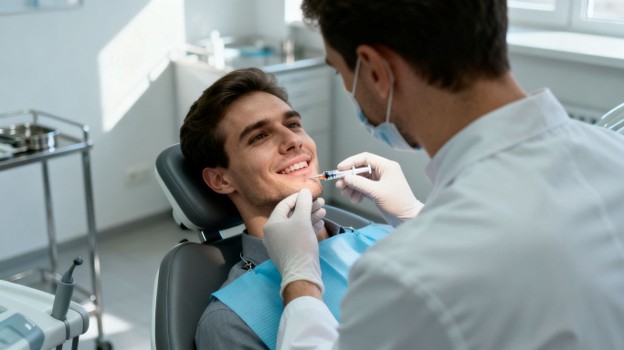
Jaw pain can turn simple daily tasks like eating or talking into a source of constant discomfort. Many people who suffer from tension in the face and jaw muscles look for ways to manage their symptoms beyond traditional guards or medication. Here's how the team at Fine Dentistry of Downtown Orlando approaches Botox as a treatment option for TMJ-related jaw pain and clenching.
How Does Botox Actually Help TMJ and Jaw Clenching?
When Botox is injected into the masseter muscles, it works by blocking the signals that tell the muscles to contract excessively. This process helps soothe persistent facial muscle tension and allows the overactive muscles to rest, which in turn reduces the severity of grinding or clenching.Incorporating this treatment can offer several specific benefits for those living with chronic discomfort:
- Decreased frequency of tension-related headaches
- Lowered intensity of jaw muscle contractions
- Improved comfort during normal chewing motions
- Reduced strain on the temporomandibular joint
By helping the muscles transition into a state of relaxation, it prevents the continued accumulation of tension that often contributes to soreness after a long day of clenching or grinding.
What to Expect: TMJ Botox Before and After
The process of addressing TMJ issues through therapeutic injections involves careful assessment by a qualified dentist. Patients often wonder about the timeline of their recovery and when they might notice a genuine change in their day-to-day comfort. According to the National Institute of Dental and Craniofacial Research, TMJ disorders can stem from a variety of causes, which is why a proper evaluation matters before starting any treatment. Consulting with our TMJ treatment team can help determine if Botox is the right path for your specific pain levels.
How Long Does Botox for TMJ Last?
The longevity of these results can vary based on individual metabolism and the severity of original symptoms. For many patients, the therapeutic effect persists for several months before the muscles slowly regain their full contractile capacity, signaling it is time for a maintenance visit.
| Treatment Phase | Expected Outcome | Average Duration |
|---|---|---|
| Initial Phase | Muscle relaxation begins | 1-2 weeks |
| Peak Effect | Maximal symptom relief | 3-4 months |
| Maintenance Phase | Gradual return of tension | 5-6 months |
Following the peak of the treatment, the recurrence of grinding or pain is usually gradual, allowing patients to schedule follow-up appointments before major discomfort returns.
Is Botox for TMJ Right for You?
Not every case of orofacial pain responds the same way to muscle-relaxing treatments. It is important to have a clear understanding of your specific diagnosis, whether it is related to bruxism or internal joint locking, to ensure the therapy is appropriate. A thorough evaluation with our Orlando dentist remains the most reliable way to assess candidacy.
What a TMJ Botox Appointment Involves
The appointment typically begins with a discussion of your medical history and a check of your jaw's range of motion. Once the practitioner identifies the most tense areas in your facial muscles, they use a series of quick, targeted injections to treat the site. Many patients find the procedure straightforward and minimal in terms of discomfort, allowing them to return to their normal daily activities almost immediately after leaving the office. You can review the full scope of our Botox treatment services before booking a consultation.
Botox for TMJ vs. Other Jaw Pain Treatments
While dental guards and physical therapy are standard first-line therapies for many, they do not function the same way as neurotoxin therapy. Some patients prefer a combination of these methods, while others find that reducing muscle force directly is the only way they truly find relief. Our team offers balanced guidance to help you navigate these various treatment options to see what fits your lifestyle best.
Choosing a Provider Experienced in Therapeutic Botox
Seeking out a practitioner with deep experience in treating orofacial pain is essential for safety and optimal results. You want someone who understands the anatomical nuances of the jaw and how to apply the treatment precisely to avoid unnecessary side effects. Dr. Aileen Trivedi, DMD, FAGD, takes the time to listen to your specific experience with pain, ensuring that the dosage and injection points are tailored exactly to your anatomy.
What Causes TMJ Disorders in the First Place?
TMJ disorders can develop from chronic teeth grinding, jaw injury, arthritis in the joint, or ongoing stress that leads to clenching. Because the underlying cause varies so much from patient to patient, a one-size-fits-all treatment rarely works well, which is why an in-person evaluation matters before deciding whether Botox, a night guard, or another approach makes the most sense for your situation.
Conclusion
Finding the right management strategy for jaw pain is a personal journey that often requires balancing different clinical approaches. Whether you are managing chronic stress or dealing with specific muscle tension, exploring professional treatment options like therapeutic injections can offer the relief needed to regain control over your quality of life. If you're ready to talk through your options, contact our Downtown Orlando office to schedule a consultation.
Frequently Asked Questions
Is Botox for TMJ approved for everyone?
It is not considered a standard universal solution; candidacy depends on an individual's specific medical history and the source of their jaw pain as determined by a dentist.
Does the procedure involve visible recovery time?
Most people can return to their daily routines immediately, as the injection points are generally small and require no downtime for physical healing.
Can this treatment replace a night guard?
It is often used as a complementary therapy alongside other measures like night guards, but it is not intended to be a complete replacement for all dental interventions.
How many sessions are usually required?
Frequency is based on how long the therapeutic effect lasts for you personally, with most individuals returning every four to six months for maintenance.
Will I lose my ability to chew normally?
The goal is to reduce excessive, harmful muscle force while maintaining your ability to chew and speak normally throughout the day.
Blog Post Author

Contributed by DentalROI
DentalROI provides relevant dental content to help providers educate patients. The statements, services, and products referenced in this article have not been evaluated by the Food and Drug Administration, and they are not intended as a substitute for professional medical advice, diagnosis, or treatment. Always seek the advice of your dental provider with any questions or issues you may have. Specific recommendations may vary in different circumstances, so individual consultation is important.