
Botox for Hyperhidrosis (Excessive Sweating): Does It Really Work?
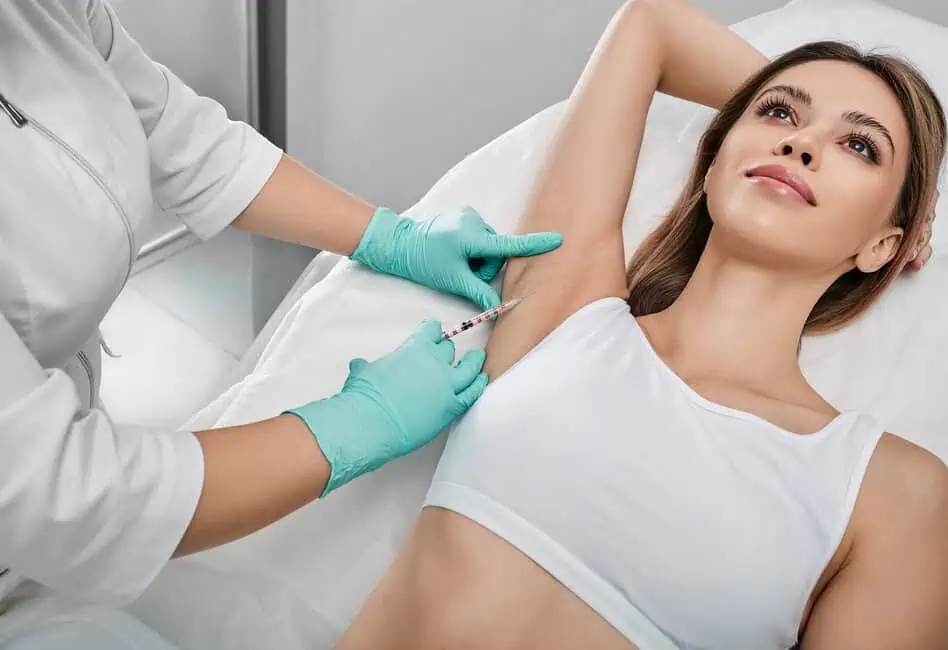
Sweating is a normal way for the body to cool itself, but hyperhidrosis goes beyond what the situation or temperature would reasonably explain. It can soak through clothing, make handshakes uncomfortable, or interfere with work and social plans. Botox works locally, so it can reduce sweating in a treated area without stopping the body's ability to cool itself elsewhere.
What Hyperhidrosis Is and How It Differs From Normal Sweating
Normal sweating usually follows heat, exercise, fever, or strong emotion. Hyperhidrosis may happen even when the body does not need cooling, and the amount can be difficult to control. Some people notice it mainly in the underarms, while others have persistent sweating on the hands, feet, face, or several areas.
The condition may be primary, meaning it is not caused by another illness, or secondary, meaning it is linked to a medical condition or medication. A clinician will often ask when the sweating began, where it occurs, whether it happens during sleep, and how much it disrupts daily life.
How Botox Blocks Sweat Signals
Botulinum toxin is injected very shallowly into the skin. It temporarily interrupts the chemical signal from nerves that tells nearby sweat glands to turn on. In the treated area, the glands remain present, but they receive less of that signal for a period of time.
For severe primary underarm hyperhidrosis, BOTOX is approved for adults who cannot obtain relief with antiperspirants. That approval applies to a specific use, so treatment in other areas or for other causes of sweating should be discussed with a qualified medical provider.
Which Areas Can Be Treated
Underarms are the most established treatment area, but clinicians may also use botulinum toxin for excessive sweating of the hands, feet, head and face, and other relatively small areas. The injection plan depends on the size and sensitivity of the area, the pattern of sweating, and the provider's experience.
Hands and feet can require extra planning because they contain many nerves and muscles close to the sweat glands. Facial treatment also calls for careful placement. A consultation should cover both the expected benefit and the possibility of temporary weakness in nearby muscles.
Why Botox Doesn't Permanently Cure Hyperhidrosis
Botox blocks the nerve signal temporarily; it does not remove the sweat glands or change the underlying tendency to sweat. As the effect wears off, nerve communication gradually returns and sweating can come back. That is why the treatment is better understood as ongoing symptom control rather than a permanent cure.
The temporary nature can still be useful. Someone may choose treatment for a particularly demanding season, an important event, or a longer-term plan that includes repeat appointments and other measures.
Who May Benefit From Botox for Hyperhidrosis
Botox may be worth discussing when excessive sweating is persistent, visible, and resistant to simpler treatments. The decision is not based only on how much sweat appears; the effect on concentration, clothing, confidence, sleep, and everyday routines matters too. A proper assessment also looks for causes that need a different treatment.
Signs That Sweating May Be Severe Enough for Treatment
Sweating deserves medical attention when it repeatedly disrupts ordinary activities or requires constant workarounds. Examples include changing clothes during the day, avoiding certain fabrics, keeping towels nearby, or avoiding contact with other people because of wet hands.
A useful conversation with a provider can include:
- How often the sweating occurs and which areas are affected
- Whether it happens on both sides of the body in a similar way
- Which products or treatments have already been tried
- Whether the problem interferes with work, school, relationships, or sleep
These details help distinguish an occasional nuisance from a condition that may justify prescription treatment. They also give the provider a clearer way to measure improvement later.
Primary Versus Secondary Hyperhidrosis
Primary hyperhidrosis often begins in childhood or adolescence and commonly affects matching areas on both sides, such as both underarms or both palms. It may run in families and often stops during sleep. Secondary hyperhidrosis can begin later, appear more broadly, or occur at night.
Possible secondary causes include hormonal changes, infection, neurologic disease, low blood sugar, and other medical conditions. Because treating the cause may reduce the sweating, a provider may recommend an examination or testing before considering injections.
When Botox May Not Be the Right First Option
Botox is not automatically the best starting point for every person with heavy sweating. Someone with mild symptoms may do well with an antiperspirant, while a person whose sweating began suddenly may need an evaluation before any cosmetic or procedural treatment.
It may also be less suitable when the affected area is very large, when injections would be difficult to tolerate, or when a person has a medical reason to avoid botulinum toxin. The right sequence depends on the diagnosis, previous treatments, cost, and personal priorities.
Medical Conditions and Medications to Discuss With a Provider
Before treatment, share all prescription medicines, over-the-counter products, and supplements. The provider should also know about neuromuscular disorders, swallowing or breathing problems, prior reactions to botulinum toxin, pregnancy or breastfeeding, and any infection or skin irritation near the planned injection sites.
Some medicines can affect neuromuscular transmission or bleeding risk, so they may change the safety discussion. Never stop a prescribed medicine on your own; ask the clinician who manages it whether any adjustment is needed.
What to Expect During a Botox Treatment
A treatment appointment begins with planning rather than immediate injections. Our providers confirm the diagnosis, examine the skin, review medical history, and discuss what improvement is realistic. The number and location of injections vary by body area.
The procedure is usually performed in an office and does not require general anesthesia. Even so, it is still a medical treatment, and choosing someone trained in the anatomy of the area is an important part of the process.
How the Treatment Area Is Assessed
The provider identifies where sweating is most troublesome and may use the patient's history, an examination, or a simple mapping method to guide injection placement. Underarm treatment is generally straightforward because the target area is relatively defined. Hands, feet, and the face need more detailed planning.
The assessment should also consider skin health. A rash, wound, or infection may need to clear before injections are performed. Patients should ask how success will be measured, whether by fewer soaked clothes, improved daily function, or a standardized symptom score.
How the Injections Are Administered
The medicine is placed in multiple shallow injections across the affected skin. The clinician spaces them so the treatment covers the sweating area rather than concentrating the entire dose in one spot. The skin may be cleaned first, and some offices offer cooling, topical numbing, or another comfort measure.
The injection pattern and dose are individualized. A plan that is appropriate for underarms is not automatically appropriate for palms, soles, or the face, where nearby muscles and nerves require additional caution.
Whether the Procedure Hurts
Most people describe the injections as brief pinches or stings, though sensitivity varies considerably. Underarms are often easier to tolerate than palms or soles. Cooling, vibration, topical anesthetic, or local anesthetic may be discussed, particularly for more sensitive areas.
It is reasonable to tell the provider if needle discomfort is a concern. Pain control should be planned before the procedure, not improvised halfway through it.
How Long the Appointment Usually Takes
The appointment length depends on the treatment area and the number of injections. A focused underarm session may be relatively quick, while hands, feet, or multiple areas take longer. Consultation, skin preparation, injections, and aftercare instructions are all part of the visit.
Most people can leave soon afterward and return to ordinary activities according to the provider's instructions. The practical details, including exercise, shaving, and when to apply products, should be confirmed for the specific treatment area.
How Effective Botox Is for Excessive Sweating
For the right patient and treatment area, Botox can produce a meaningful reduction in sweating. Results are not identical for everyone, and published findings often focus on underarm treatment rather than every possible body site. The most useful question is not simply whether it works, but how much improvement is likely for a particular person.
When Results Typically Start to Appear
Some people notice a change within a few days, while the full effect may take roughly two weeks. The response can develop gradually rather than arriving all at once. Keeping a short record of symptoms before and after treatment can make the change easier to judge.
If there is no meaningful improvement after the expected window, the patient should contact the treating clinician. The issue might involve the diagnosis, injection coverage, dose, or an unrelated cause of sweating.
How Much Sweating May Improve
Underarm studies and clinical information describe a substantial reduction for many patients, with reported decreases around 82% to 87% in some research. That figure should not be treated as a promise for every person or every body area. BOTOX clinical information specifically supports its use for severe primary underarm hyperhidrosis when antiperspirants have not provided relief.
The practical benefit may be more important than a precise percentage. A person might move from soaking through shirts to occasional dampness, or from avoiding hand contact to feeling comfortable in routine interactions.
How Long the Results Usually Last
Dryness commonly lasts several months, often around four to twelve months for underarm treatment, although individual studies and patients vary. Some people experience a longer interval before sweating returns, while others need an earlier repeat treatment.
The timing of a repeat appointment should follow the return of symptoms and the clinician's advice. Treating too early is not necessarily better, particularly when the previous effect is still present.
Why Results Can Vary by Treatment Area and Person
The amount of sweating, skin anatomy, dose, injection technique, and underlying diagnosis all influence the outcome. Hands and feet can be more technically challenging than underarms, and facial injections may be limited by nearby muscles. Stress, heat, hormones, medications, and general health can also affect sweating independently of treatment.
A simple comparison helps set expectations:
| Factor | Why It May Affect the Result | Practical Question to Ask |
|---|---|---|
| Treatment area | Different areas have different anatomy and sensitivity | Is this area commonly treated with injections? |
| Underlying cause | Secondary sweating may need treatment of its cause | Do I need an evaluation for another condition? |
| Coverage and dose | Incomplete coverage may leave active sweat glands | How will the injection pattern be mapped? |
| Individual response | People vary in both benefit and duration | When should we review the result? |
This is why a consultation should focus on a personalized plan rather than a guaranteed percentage or fixed duration.
Side Effects, Risks, and Safety Considerations
Like any medical procedure, Botox for sweating has trade-offs. Most effects are temporary and limited to the injection area, but the risks depend on where the medicine is placed and the person's health history.
A careful review beforehand helps keep the decision proportionate to the expected benefit. According to the American Academy of Dermatology's guide to hyperhidrosis diagnosis and treatment, dermatologists consider a range of options, including Botox, before recommending a treatment plan.
Common Short-Term Effects
Tenderness, mild swelling, redness, bruising, or small bumps can occur where the needle enters the skin. These effects usually settle without special treatment, although the timing varies. Temporary headache or flu-like feelings are also possible with botulinum toxin treatments.
Call the treating office if local symptoms become severe, continue worsening, or look infected. The provider can distinguish an expected reaction from a problem that needs examination.
Potential Problems With Hand, Foot, or Facial Injections
Treatment of the palms may temporarily weaken nearby hand muscles, which can affect grip or fine movements. In the feet, soreness or altered comfort while walking may be a concern. Facial treatment can cause temporary weakness in nearby muscles if the medicine affects an unintended area.
These risks are part of why body area matters when discussing treatment. A clinician should explain the specific risks for the planned location instead of relying on general information about underarm injections.
Rare Complications and Warning Signs
Rarely, botulinum toxin effects can spread beyond the injection area. Seek urgent medical care for trouble breathing or swallowing, widespread weakness, double vision, drooping eyelids, or significant speech changes after treatment. These symptoms are not expected after a routine appointment and should not be watched at home.
Severe allergic symptoms, such as facial swelling, hives, or difficulty breathing, also require emergency attention. Keep the provider's contact information and after-hours instructions available after the procedure.
Situations Where Botox Should Be Avoided or Delayed
Treatment may need to be postponed if the injection site has an infection, significant irritation, or an open wound. A known allergy to an ingredient, certain neuromuscular conditions, or a history of serious reaction may make Botox inappropriate. Pregnancy, breastfeeding, and recent procedures should be discussed individually with a clinician.
The provider should also know about planned surgery, bleeding concerns, and medicines that may interact with neuromuscular function. The safest choice may be to delay treatment until a question is resolved.
Cost, Maintenance, and Practical Considerations
The price of treatment varies widely because hyperhidrosis care is not one standardized procedure. The treated area, amount of medication, provider experience, geographic location, and whether insurance contributes can all change the final bill. A written estimate is useful before scheduling.
What Can Affect the Price
Underarm treatment may cost less than treating both hands or feet because the injection pattern and appointment demands differ. The quote may include the consultation, medication, supplies, numbing measures, and follow-up, or some of these may be billed separately.
Before agreeing to treatment, ask what the fee covers. It is also worth confirming whether a follow-up visit or touch-up is included, since "cost per visit" can hide meaningful differences between offices.
How Often Repeat Treatments May Be Needed
Because the effect fades, many patients return when sweating begins to interfere with life again. For underarms, the interval is often several months, commonly four to twelve, but there is no universal schedule. Repeated treatment should be based on response, safety, and the provider's assessment.
A practical maintenance plan may include noting the treatment date, when improvement began, and when symptoms returned. That record can make future scheduling less guesswork.
Insurance Coverage and Medical Necessity
Coverage depends on the insurer, the diagnosis, the treatment area, and documentation of previous therapies. Some plans may require evidence of severe primary underarm hyperhidrosis and inadequate relief from antiperspirants. Other areas or uses may be handled differently.
Ask our office to explain authorization requirements before treatment. Keep copies of prescriptions, prior treatment records, and notes about how sweating affects daily activities if the insurer requests documentation.
What to Do Before and After Treatment
Follow the clinic's instructions, since advice can differ by injection site. General planning may include arriving with clean skin, discussing medicines that increase bruising, and avoiding actions the provider specifically restricts after treatment.
Useful questions to settle before leaving include:
- When can I exercise or return to strenuous work?
- When can I shave, use deodorant, or apply other products?
- Which symptoms are normal, and which require a call?
- When should I schedule a review if the sweating does not improve?
Clear aftercare instructions make the experience easier and reduce unnecessary worry. They also give the patient a defined point at which to report a poor response or unexpected symptom.
Botox Alternatives for Hyperhidrosis
Injections are only one option. The best treatment depends on the location, severity, cause, tolerance for procedures, cost, and whether the goal is occasional control or long-term management. A dermatologist or other qualified clinician can help compare choices rather than moving straight to the most invasive approach.
Prescription Antiperspirants and Topical Medications
Prescription-strength antiperspirants are often tried first, especially for underarm sweating. They may reduce sweat by temporarily blocking the openings of sweat ducts, though irritation and the need for regular application can limit their usefulness.
Other topical medicines may be appropriate for selected areas. The provider can explain how to apply them safely, how often to use them, and what to do if the skin becomes dry, sore, or inflamed.
Oral Medications That Reduce Sweating
Some oral medicines reduce sweating by affecting nerve signals throughout the body. They can be useful when several areas are involved, but they may also cause dry mouth, blurred vision, constipation, urinary problems, rapid heartbeat, or heat intolerance.
Because these medicines act systemically, the medical history matters. A clinician should review existing conditions and other medicines before prescribing them, especially for someone who works or exercises in hot environments.
Iontophoresis for Hands and Feet
Iontophoresis uses a mild electrical current while the hands or feet are placed in water. It is often used for palm or sole sweating and generally requires repeated sessions followed by maintenance treatments.
The method may be less convenient than injections, but some people value avoiding needles or systemic medication. It may not be appropriate for everyone, including people with certain implanted electrical devices or other contraindications, so professional guidance is needed.
Microwave Treatment and Other Procedures
Some procedures use controlled energy to target sweat glands, particularly in the underarms. Other approaches may include localized treatments selected for a specific body area. Availability, discomfort, cost, and the risk of changes to the skin should be discussed before choosing one.
A procedure that sounds permanent is not automatically the best fit. Ask what evidence supports it for the exact area being treated, how many sessions are typical, and what happens if sweating persists.
Surgery and When It May Be Considered
Surgery is generally reserved for severe cases that have not responded to less invasive treatments. One operation can interrupt sympathetic nerve signals, but it carries meaningful risks, including compensatory sweating elsewhere on the body.
Because surgery can have lasting consequences, it calls for specialist evaluation and a careful discussion of alternatives. It is rarely the first step for ordinary underarm sweating.
Conclusion
Botox can be an effective temporary treatment for carefully selected people with hyperhidrosis, particularly severe primary underarm sweating that has not improved with antiperspirants. It does not cure the underlying tendency, and results, risks, duration, and cost vary by body area and individual.
A medical evaluation is the best starting point for confirming the cause of sweating and choosing a plan that fits daily life. Contact our Downtown Orlando office to schedule a consultation.
Frequently Asked Questions
Does Botox permanently stop excessive sweating?
No. Botox temporarily blocks nerve signals to sweat glands in the treated area. Sweating usually returns gradually as the effect wears off, so repeat treatment may be needed.
How quickly does Botox work for hyperhidrosis?
Some people notice improvement within a few days, while the full effect may take about two weeks. The timing can vary by treatment area and individual response.
How long does Botox for sweating last?
Results commonly last several months. Underarm dryness is often reported for roughly four to twelve months, but the duration is not the same for everyone.
Is Botox painful for underarm sweating?
The injections usually feel like brief pinches or stings. Cooling, topical numbing, or other comfort measures may be available, depending on the clinic and treatment area.
Can Botox treat sweaty hands and feet?
Botulinum toxin may be used for sweating of the palms and soles, but these areas require special planning because nearby muscles and nerves can be affected. Discuss the specific risks with the treating clinician.
What happens if excessive sweating has another medical cause?
When sweating is secondary to a medical condition or medication, treating that cause may be more appropriate than starting injections. New, sudden, widespread, or nighttime sweating should be medically evaluated.
Are there alternatives to Botox for hyperhidrosis?
Yes. Options can include prescription antiperspirants, topical medicines, oral medicines, iontophoresis, energy-based procedures, and, rarely, surgery. The choice depends on the affected area, severity, health history, and treatment preferences.
About the Author
Fine Dentistry of Downtown Orlando is located at 429 N. Fern Creek Avenue, Orlando, FL 32803. The practice is led by Dr. Aileen Trivedi, DMD, FAGD, a Fellow of the Academy of General Dentistry and member of the American Dental Association and the American Academy of Cosmetic Dentistry, alongside Dr. Sergio Lascurain and Dr. Amanda Perez, providing comprehensive dental and aesthetic care to patients throughout Downtown Orlando.
Disclaimer
The information provided in this article is for educational purposes only and does not constitute professional medical advice, diagnosis, or treatment recommendations. Whether Botox is appropriate for your excessive sweating can only be determined through an in-person evaluation. Always consult a qualified medical provider with any questions regarding hyperhidrosis treatment.
Blog Post Author

Contributed by DentalROI
DentalROI provides relevant dental content to help providers educate patients. The statements, services, and products referenced in this article have not been evaluated by the Food and Drug Administration, and they are not intended as a substitute for professional medical advice, diagnosis, or treatment. Always seek the advice of your dental provider with any questions or issues you may have. Specific recommendations may vary in different circumstances, so individual consultation is important.