
Can I Brush My Teeth After Or Before Using Whitestrips
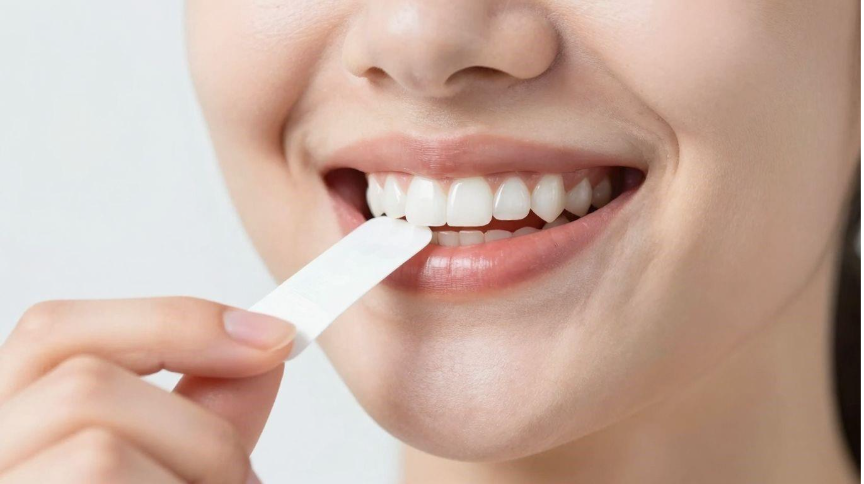
Getting a brighter smile with whitening strips is a popular goal, but figuring out the best way to use them can be confusing. A common question people have is whether they should brush their teeth before or after applying these strips. It turns out, the timing of your brushing can actually make a difference in how well the strips work and how comfortable the process is. Let's break down the details on when and how to brush your teeth around your whitening strip routine.
Key Takeaways
- Brushing your teeth before using whitening strips can help remove plaque and food bits, potentially making the whitening gel work better. However, avoid brushing immediately before applying the strips to prevent gum irritation.
- It's generally advised to wait about 30 minutes after brushing your teeth before applying whitening strips. This waiting period allows your enamel to recover and reduces the risk of sensitivity.
- You can brush your teeth after using whitening strips, but it's best to wait at least 30 minutes. This helps remove any leftover gel and ensures your mouth feels clean without irritating sensitive enamel.
- If you have sensitive teeth, brushing gently after using whitening strips might be more comfortable than brushing beforehand. Always use a soft-bristle toothbrush and gentle motions.
- Always check the specific instructions that come with your whitening strips, as manufacturers might have unique recommendations for brushing before or after use.
How Whitening Strips Work on Teeth
Whitening strips are a pretty popular way people try to get a brighter smile at home. They're basically thin, flexible strips that come with a whitening gel. This gel usually has something called peroxide in it, like hydrogen peroxide or carbamide peroxide. When you stick these strips onto your teeth, the peroxide gets to work.
It breaks down into tiny oxygen molecules. These molecules then seep into the outer layer of your teeth, called the enamel, and even a bit deeper into the dentin. Their job is to break apart the stuff that causes stains and makes your teeth look less bright. The peroxide is the active ingredient that lifts stains from your tooth surface.
Think of it like this:
- Penetration: The peroxide gel seeps into the enamel.
- Oxidation: It breaks down stain molecules.
- Whitening: This process reveals a lighter shade of your natural tooth color.
It's a chemical reaction happening right there on your teeth. The gel needs to stay in contact with the tooth surface for a certain amount of time to do its job effectively. That's why the strips are designed to stick to your teeth and hold the gel in place.
Brushing Your Teeth Before Using Whitening Strips
A common question people have when they're looking to brighten their smile is whether they should brush their teeth before or after using whitening strips. It seems like a simple step, but it can actually make a difference in how well the strips work and how your teeth feel.
When you brush your teeth before applying whitening strips, you're essentially giving the product a cleaner surface to work on. Think of it like painting a wall – you wouldn't paint over dust and grime, right? Brushing helps remove any leftover food bits or plaque that might be sitting on your teeth. This means the whitening gel can get to the actual tooth enamel more directly, which could lead to better, more even results. Plus, a clean surface might help the strips stick a little better.
However, there's a bit of a catch. Brushing too hard or right before you put on the strips can sometimes irritate your gums or even make your enamel a bit sensitive. The whitening agents in the strips can then feel more intense on these already slightly agitated areas. Some sources suggest that brushing can temporarily change the natural pH in your mouth, which might also affect how the whitening gel performs.
So, if you're wondering, 'should I brush my teeth before using whitening strips?', the general advice leans towards yes, but with a few important caveats. It's often recommended to brush gently and perhaps wait a little bit after brushing before applying the strips. This gives your teeth and gums a moment to settle down.
Here’s a quick rundown:
- Clean Surface: Brushing beforehand removes debris for potentially better whitening.
- Adhesion: Clean teeth might help the strips stay put more effectively.
- Potential Sensitivity: Aggressive brushing or immediate application can increase discomfort.
It's generally a good idea to brush your teeth before using whitening strips to ensure the gel can work directly on your enamel. Just be sure to do it gently and consider waiting a short period afterward to avoid any unnecessary irritation.
Ultimately, understanding do you brush your teeth before or after whitening strips involves balancing effectiveness with comfort. For many, brushing teeth before whitening strips is a helpful step, provided it's done with care.
Using Whitening Strips Without Brushing First
Some people wonder if they can just pop on whitening strips without brushing their teeth beforehand. While it might seem like a time-saver, it's generally not the best approach for getting the most out of your whitening treatment or for keeping your mouth comfortable.
When you don't brush first, food particles and plaque can still be sitting on your teeth. This means the whitening gel on the strips can't make direct contact with your tooth enamel as effectively. Think of it like trying to paint over a dirty surface – the paint won't stick as well, and the finish won't be as smooth. For the best results, a clean surface is key.
Also, skipping the pre-brushing step might mean the strips don't adhere as evenly. This could lead to a less uniform whitening effect, with some spots looking brighter than others. It's not ideal if you're aiming for a consistently bright smile.
While the idea of skipping a step might be tempting, it can actually hinder the whitening process and potentially lead to uneven results. It's usually better to prepare your teeth properly for the best outcome.
If you're considering skipping the brush, it's important to remember that the whitening agents work best on a clean surface. Leaving plaque and debris behind can interfere with how well the strips work and how evenly your teeth whiten. It's a small step that makes a big difference in the final appearance of your smile.
Brushing Your Teeth After Using Whitening Strips
So, you've finished your whitening strip session and are wondering, "Should I brush my teeth after using whitening strips?" It's a common question, and the short answer is yes, you generally can, but with a few considerations. Brushing after you remove the strips can help get rid of any leftover whitening gel and leave your mouth feeling fresh. It's a good way to ensure no residue lingers.
Here’s a simple approach if you decide to brush afterward:
- Wait a bit: Give your teeth some time to settle. Waiting at least 30 minutes after removing the strips is a good idea. This allows your enamel to recover a little from the whitening process.
- Use a soft brush: Grab your softest toothbrush. You don't want anything too harsh that could irritate your teeth or gums, especially if you're feeling a bit sensitive.
- Brush gently: Think gentle, circular motions. Avoid scrubbing hard. The goal is to clean, not to polish aggressively.
- Rinse well: Make sure to rinse your mouth thoroughly with water to wash away any remaining toothpaste or gel.
Some people find that brushing after using whitening strips works better for them, especially if they have sensitive teeth. It can feel more comfortable than brushing right before. Ultimately, whether you brush before or after, the key is to be gentle and follow the specific instructions that came with your whitening product. If you're unsure about the best routine for your teeth, it's always a good idea to ask your Orlando dentist for advice. They can help you figure out the best way to use these products safely and effectively for a brighter smile.
The decision on when to brush around your whitening strip routine often comes down to personal comfort and how your teeth react. Paying attention to any sensitivity is key.
Managing Tooth Sensitivity During Whitening
It's not uncommon for teeth to feel a bit sensitive when you're using whitening strips. This can happen because the whitening agents, while effective at lifting stains, can sometimes make your teeth more aware of temperature changes or even just regular brushing.
If you notice your teeth are feeling sensitive, don't just push through it. There are several things you can do to manage this discomfort and continue your whitening journey more comfortably.
Here are some helpful tips:
- Take a break: If the sensitivity is bothering you, it's perfectly okay to pause your whitening treatment for a day or two. This gives your teeth a chance to recover.
- Switch to a desensitizing toothpaste: Using a toothpaste specifically designed for sensitive teeth can make a big difference. Look for one with fluoride, as it helps strengthen your enamel over time.
- Be gentle with your toothbrush: Always use a soft-bristle toothbrush. When you brush, use light, circular motions rather than scrubbing hard. This is especially important if you're brushing after using the strips.
- Consider your brushing timing: While the article discusses brushing before and after, if sensitivity is a major concern, you might find it more comfortable to brush after you've finished your whitening session, but still wait at least 30 minutes.
Sometimes, sensitivity is a sign that your teeth need a little extra care. Listening to your body and adjusting your routine can help you achieve a brighter smile without unnecessary discomfort.
If sensitivity persists or becomes severe, it's always a good idea to check in with your dentist. They can help figure out the best approach for your specific situation.
Wrapping Up: Brushing and Whitening Strips
So, when it comes down to brushing your teeth around your whitening strip routine, it's not a super strict rule. Most folks find it best to brush their teeth about 30 minutes before putting on the strips. This gets rid of any gunk that might get in the way of the whitening gel. But, if you've got sensitive teeth or gums, you might want to skip brushing right before and maybe even wait a bit after you take the strips off. Always check what the box says for your specific strips, and if you're unsure, just ask your dentist. They can give you the best advice for your own mouth so you can get that brighter smile without any hassle.
Frequently Asked Questions
How do whitening strips actually make teeth whiter?
Whitening strips have a special gel on them, usually with peroxide. This gel gets onto your teeth and helps break down the stuff that makes them look yellow or stained. It's like a gentle cleaner for the outer layer of your teeth, making them look brighter.
Is it okay to brush my teeth right before using whitening strips?
It's generally best to wait a little while after brushing before putting on whitening strips. Brushing too close to using the strips can sometimes make your gums feel a bit sore or sensitive because the whitening gel might irritate them more. Waiting about 30 minutes after brushing can help.
What happens if I don't brush my teeth before using whitening strips?
If you don't brush before, any food bits or plaque left on your teeth could block the whitening gel. This might mean the strips don't work as well, and you might not get the even, bright smile you're hoping for. It's better to start with clean teeth.
Can I brush my teeth right after I take the whitening strips off?
Yes, you can brush your teeth after using whitening strips, but it's a good idea to wait for about 30 minutes. This gives your teeth a little break after the whitening process. When you do brush, be gentle.
What should I do if my teeth feel sensitive while using whitening strips?
If your teeth start feeling sensitive, it's okay to take a short break from using the strips for a day or two. Using toothpaste made for sensitive teeth can also help. If the sensitivity doesn't get better, it’s a good idea to talk to your dentist.
How long should I use whitening strips for?
You should always follow the instructions that come with your specific whitening strips. They usually tell you how many days in a row to use them and for how long each day. Using them too much or for too long could cause problems like extra sensitivity.
Blog Post Author

Contributed by DentalROI
DentalROI provides relevant dental content to help providers educate patients. The statements, services, and products referenced in this article have not been evaluated by the Food and Drug Administration, and they are not intended as a substitute for professional medical advice, diagnosis, or treatment. Always seek the advice of your dental provider with any questions or issues you may have. Specific recommendations may vary in different circumstances, so individual consultation is important.