
Can Invisalign Fix Overbite How Long Does it Take
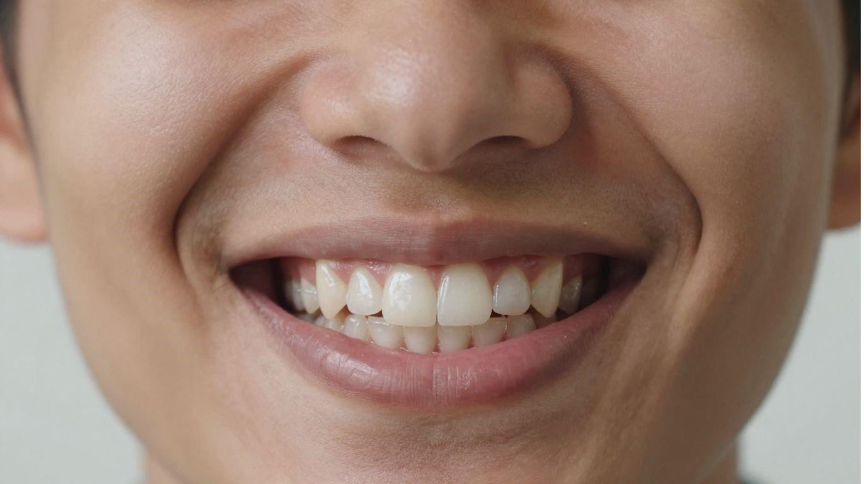
Many people wonder if Invisalign can help with an overbite. An overbite is when your top teeth overlap your bottom teeth quite a bit. It's a common issue, and thankfully, there are options to fix it. This article looks into how Invisalign works for overbites, how long it might take, and what you can expect.
Key Takeaways
- Invisalign can correct mild to moderate overbites, typically taking between 6 to 24 months.
- The exact time frame for fixing an overbite with Invisalign depends on the severity and individual treatment needs.
- Consistent wear of aligners (20-22 hours daily) is vital for achieving the best and fastest results.
- While Invisalign is effective for many, severe overbites might require different treatments or additional tools like elastics.
- Adults can successfully use Invisalign to fix overbites, with treatment duration varying based on the complexity of their specific case.
What Is an Overbite?
An overbite is a common dental condition where the upper front teeth extend too far over the lower front teeth when a person bites down. While a slight overlap is normal and even considered healthy, a significant overlap is what we typically refer to when discussing an overbite that might need correction.
This misalignment can happen for a few reasons. Sometimes, it's just how someone's jaw developed, or it could be influenced by genetics. Other factors, like habits such as thumb-sucking or prolonged pacifier use during childhood, can also play a role in pushing the upper teeth forward or preventing the lower teeth from growing in properly.
An overbite isn't just about how your smile looks; it can actually cause some real problems.
- Tooth Wear: The lower front teeth might constantly rub against the back of the upper teeth, leading to uneven wear and tear.
- Jaw Discomfort: It can put extra stress on your jaw joint, sometimes leading to pain or clicking.
- Chewing Difficulties: In some cases, it can make biting and chewing food less efficient.
- Speech Issues: For some people, a significant overbite can affect how they pronounce certain sounds.
It's important to remember that not all overbites are problematic. Many people have a mild overbite and experience no issues at all. The concern arises when the overlap is excessive, potentially leading to the dental and functional problems mentioned above.
How Invisalign Moves Teeth to Improve Bite Alignment
Invisalign works by using a series of custom-made clear aligners. Think of them like a very precise, modern mouthguard that you swap out every week or two. Each new set of aligners is designed to apply gentle pressure to your teeth, nudging them little by little in the right direction.
The core idea is controlled movement. Your orthodontist maps out a precise path for your teeth, and each aligner is a step along that path. As you wear them, typically for 20 to 22 hours a day, your teeth gradually shift. This isn't a sudden change; it's a slow, steady process.
- Custom Design: Each aligner is made specifically for your mouth based on a 3D scan. This ensures a snug fit and targeted pressure.
- Incremental Changes: When you switch to a new aligner, it's slightly different from the last one, guiding your teeth to the next position.
- Continuous Pressure: Wearing the aligners for most of the day means your teeth are constantly being encouraged to move.
- Attachments and Elastics: Sometimes, small tooth-colored bumps (attachments) are placed on your teeth, or tiny rubber bands (elastics) are used. These help the aligners get a better grip and apply force more effectively, especially for more complex movements like correcting an overbite.
The aligners work on both your upper and lower teeth simultaneously, adjusting their positions to improve how they meet when you bite down. This gradual repositioning is what helps correct issues like an overbite, bringing your teeth into better alignment over the course of your treatment.
Can Invisalign Correct an Overbite?
So, you're wondering if Invisalign can fix an overbite? The short answer is often yes, but it really depends on the specifics of your bite. Invisalign uses a series of clear, custom-made aligners to gently move your teeth into a better position. For many people with mild to moderate overbites, this system can be quite effective.
Invisalign is a viable option for correcting overbites in adults and teens alike. However, it's not a one-size-fits-all solution. The severity of the overbite plays a big role.
- Severity of the Overbite: Mild to moderate overbites are generally good candidates.
- Cause of the Overbite: Overbites due to tooth positioning are more easily corrected with aligners.
- Patient Compliance: Success with Invisalign depends on wearing aligners 20-22 hours a day.
- Age: Treatment considerations may differ for younger patients.
Ultimately, the question of whether Invisalign can fix an overbite is best answered after a professional evaluation.
Benefits of Using Invisalign for Overbite Correction
When considering options to correct an overbite, Invisalign presents a number of appealing advantages for many patients.
- Discreet Appearance: The clear aligners are hard to see.
- Comfortable Fit: Smooth plastic typically causes less irritation.
- Removable Aligners: Easier eating, brushing, and flossing.
- Fewer Office Visits: Less frequent check-ups than traditional braces.
What to Expect During Invisalign Overbite Treatment
Invisalign treatment follows a clear step-by-step process starting with an initial consultation and digital scans.
- Initial Consultation & Planning
- Receiving Your Aligners
- Wearing the Aligners
- Regular Check-ups
- Refinements
- Retention
Most treatments fall between 6 and 24 months depending on the complexity of the overbite.
Conclusion
Invisalign can be a good option for fixing an overbite, especially if the case is mild or moderate. The best way to know what will work for you is to talk with your dentist or orthodontist.
Frequently Asked Questions
Can Invisalign fix all types of overbites?
Invisalign can help with most overbites, especially mild or moderate ones.
How long does it typically take for Invisalign to correct an overbite?
Generally, it takes about 12 to 18 months.
Is Invisalign treatment for overbites painful?
You may feel mild pressure, especially with new aligners.
Do I have to wear elastics with Invisalign?
Sometimes elastics are needed depending on the case.
Will I need attachments on my teeth?
Small tooth-colored attachments may be used.
Can Invisalign fix an overbite faster in teenagers?
Teenagers may see results faster due to jaw development.
Blog Post Author

Contributed by DentalROI
DentalROI provides relevant dental content to help providers educate patients. The statements, services, and products referenced in this article have not been evaluated by the Food and Drug Administration, and they are not intended as a substitute for professional medical advice, diagnosis, or treatment. Always seek the advice of your dental provider with any questions or issues you may have. Specific recommendations may vary in different circumstances, so individual consultation is important.