
Can Wisdom Teeth Cause TMJ Disorder
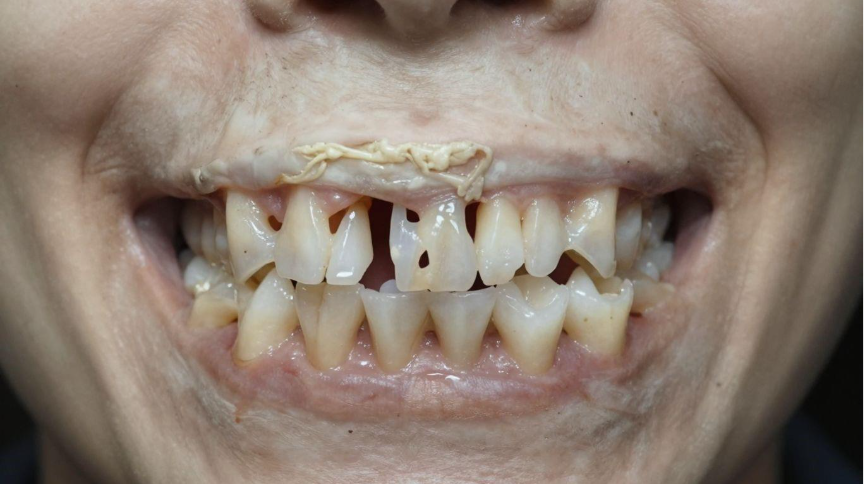
It's a common question: can wisdom teeth cause TMJ disorder? Many people experience jaw discomfort and wonder if their erupting wisdom teeth are to blame. While the connection isn't always direct, wisdom teeth can sometimes play a role in jaw pain and issues with the temporomandibular joint (TMJ). This article explores how these back teeth might affect your jaw and what you can do about it.
Key Takeaways
- Wisdom teeth don't directly cause TMJ disorders, but impacted or misaligned ones can lead to jaw pain and symptoms similar to TMJ issues.
- The temporomandibular joint (TMJ) connects your jawbone to your skull and allows for movement; TMJ disorders affect this joint and its muscles.
- Wisdom teeth are the last molars to appear, often lacking space, which can result in impaction, crowding, or partial eruption, causing discomfort.
- Symptoms like jaw pain, swelling, and difficulty opening the mouth can occur with both wisdom teeth problems and TMJ disorders, making diagnosis important.
- Removing problematic wisdom teeth might help alleviate some jaw pain and TMJ-like symptoms, but a dental professional should assess the situation to determine the best course of action.
When Jaw Discomfort and Wisdom Teeth Seem Connected
It's not uncommon for people to experience jaw pain and wonder if their wisdom teeth are the culprit. You might feel a dull ache, some stiffness, or even notice a popping sound when you open your mouth. This connection between jaw discomfort and wisdom teeth is something many patients ask about. While wisdom teeth don't directly cause temporomandibular joint (TMJ) disorders, they can certainly play a role in triggering or worsening symptoms that feel very similar. Think of it this way: your jaw is a complex system, and when something is out of place or causing pressure in the back of your mouth, it can affect the entire joint.
Here's a breakdown of how this connection might show up:
- Pressure and Crowding: Wisdom teeth are the last to erupt, and often there isn't enough room for them. As they try to push through, they can put pressure on other teeth and the surrounding jawbone.
- Misalignment: If a wisdom tooth grows at an angle or gets stuck (impacted), it can push your other teeth out of their normal position. This can change how your upper and lower teeth meet when you bite, leading to strain.
- Inflammation: When wisdom teeth are impacted or infected, the resulting inflammation can spread to nearby areas, including the jaw joint and muscles.
So, if you're experiencing jaw pain, clicking, or difficulty moving your jaw, and you know your wisdom teeth are still present, it's worth exploring this potential link.
It's important to remember that while wisdom teeth can contribute to jaw issues, they aren't the only cause. Other factors like stress, teeth grinding, or even arthritis can also lead to TMJ-like symptoms. A proper evaluation is key to figuring out what's really going on.
Understanding TMJ Disorder and How It Affects Daily Life
The temporomandibular joint, or TMJ for short, is a bit like a hinge for your jaw. It connects your lower jawbone to your skull, right in front of your ears. This joint is pretty important; it lets you open and close your mouth, chew, talk, and even yawn. When this joint, or the muscles around it, aren't working right, it's called a TMJ disorder.
TMJ disorders can really throw a wrench into everyday activities. Think about it – anything involving your mouth can become uncomfortable. People with TMJ disorders often experience pain in their jaw joint area, but the discomfort can spread. You might feel it in your face, neck, or even your shoulders. It's not just pain, either. Some common issues include:
- Difficulty opening or closing your mouth fully
- A jaw that locks up
- Clicking, popping, or grating sounds when you move your jaw
- Headaches, sometimes severe
- Earaches or ringing in the ears (tinnitus)
These symptoms can pop up unexpectedly and make simple things like eating your favorite meal or having a good conversation a real challenge. It's a condition that affects many people, and while the exact causes can vary, understanding the symptoms is the first step toward finding relief.
TMJ disorders are conditions that affect the jaw joint and the muscles that control jaw movement. They can lead to pain and problems with chewing, talking, and other jaw functions.
What Wisdom Teeth Are and Why They Often Cause Problems
Wisdom teeth are the last set of molars to come in, usually appearing in your late teens or early twenties. Most people have four of them, situated way in the back of the mouth. The thing is, our jaws often don't have enough room for these late arrivals. This lack of space is why they frequently cause trouble.
When wisdom teeth can't erupt properly, they become impacted. This means they might be stuck under the gum line, trying to push through at an angle, or even growing sideways. This situation can lead to a few common issues:
- Crowding: As they try to emerge, wisdom teeth can push against your other teeth, potentially shifting them out of alignment. This can mess with your bite.
- Partial Eruption: Sometimes, a wisdom tooth only breaks through the gum partially. This leaves a flap of gum tissue that can trap food and bacteria, making it hard to keep clean and prone to infection.
- Pain and Swelling: The pressure from an impacted tooth trying to find space, or an infection around a partially erupted one, can cause significant pain and swelling in the jaw and gums.
- Damage to Other Teeth: An angled wisdom tooth can press against the roots of the tooth next to it, potentially causing damage over time.
These problems aren't just about the wisdom teeth themselves; they can create a ripple effect throughout your jaw.
The way wisdom teeth develop and the issues they can cause are pretty varied. Sometimes they come in perfectly fine, but more often than not, they present challenges because there just isn't enough room in the mouth for them to erupt without causing problems for the surrounding teeth and gums.
Because they are located so far back, problems with wisdom teeth can sometimes feel like general jaw discomfort, making it tricky to figure out exactly what's going on.
How Wisdom Teeth May Contribute to TMJ Disorder
It's a common question: does wisdom teeth cause TMJ? While wisdom teeth don't directly cause temporomandibular joint (TMJ) disorders, they can definitely play a role in bringing about symptoms that feel a lot like TMJ issues. Think of it this way: your jaw is a complex system, and when something new tries to push its way in, like a wisdom tooth, it can throw things off balance.
When wisdom teeth are impacted, meaning they're stuck under the gum or growing at an angle, they can put a lot of pressure on your jaw. This pressure can spread to the temporomandibular joint, which is that hinge connecting your jawbone to your skull. This added stress can lead to pain, clicking, or difficulty opening your mouth – all classic signs that people associate with TMJ disorders.
Here's how it can happen:
- Crowding and Misalignment: As wisdom teeth try to erupt, they can push against your other teeth. This can cause your bite to become misaligned. When your bite isn't right, it puts uneven stress on your jaw joint and muscles, which can lead to TMJ-like pain.
- Direct Pressure: An impacted wisdom tooth might press directly against the jawbone or nerves. This can cause localized pain and inflammation that might feel like it's coming from the TMJ itself.
- Inflammation and Infection: If a wisdom tooth only partially erupts, it can be hard to keep clean, leading to swelling and even infection. This inflammation can spread to nearby areas, including the TMJ, causing discomfort and dysfunction.
So, while it's not a direct cause-and-effect, the presence and eruption patterns of wisdom teeth can certainly contribute to or worsen jaw discomfort that mimics TMJ disorder. It's why dentists often look at wisdom teeth when someone complains of jaw pain. Understanding if impacted wisdom teeth cause TMJ symptoms for you is key to finding the right relief.
Sometimes, the pain you feel in your jaw isn't actually from the TMJ itself, but from the struggle of wisdom teeth trying to find their place. This can lead to similar symptoms, making it tricky to pinpoint the exact source of the problem without a professional evaluation.
When Wisdom Tooth Removal May Help TMJ Symptoms
Sometimes, getting those wisdom teeth out can make a difference for TMJ discomfort. If your wisdom teeth are impacted, growing in at an odd angle, or causing crowding, they can put extra pressure on your jaw. This pressure can sometimes lead to or worsen TMJ symptoms like pain, clicking, or difficulty opening your mouth. Removing these problematic wisdom teeth can alleviate that pressure and, in turn, reduce TMJ-related pain. It's not a guaranteed fix for everyone, but for some, it's a significant step toward feeling better.
Here's a look at how extraction might help:
- Reduces Jaw Strain: When wisdom teeth push against other teeth or the jawbone, it creates tension. Taking them out can release this strain.
- Improves Bite Alignment: Crowded or misaligned wisdom teeth can throw off your bite. Removal can help create more space and allow for better alignment, which is good for your TMJ.
- Prevents Further Issues: Leaving problematic wisdom teeth in can lead to infections or damage to nearby teeth, potentially complicating jaw issues further. Early removal can prevent these secondary problems.
It's important to remember that not all wisdom teeth cause TMJ issues, and not everyone who has them removed will see their TMJ symptoms disappear. The connection can be complex. A dental professional can help figure out if your wisdom teeth are playing a role in your jaw pain. They'll look at your specific situation, including how your wisdom teeth are positioned and if they're causing any inflammation or pressure. If they determine that your wisdom teeth are a contributing factor, then extraction might be recommended as part of a broader treatment plan for your TMJ. This is why a proper diagnosis is so important before deciding on any procedure. If you're wondering if wisdom teeth removal is the right path for you, discussing it with your dentist is the best first step. They can provide personalized advice based on your oral health and symptoms. Managing jaw discomfort often involves a multi-faceted approach, and sometimes, addressing the wisdom teeth is a key piece of that puzzle. For some, this might mean following specific aftercare instructions, like applying ice to the jaw to help with swelling and sticking to soft foods for a while after wisdom teeth removal. It's all about finding what works best for your individual needs.
Finding Your Way to Jaw Comfort
So, can wisdom teeth really cause TMJ problems? The short answer is, not directly. But, as we've seen, they can definitely stir up some similar discomfort. Think of it like this: a crowded room doesn't cause a party, but it sure can make things feel a bit tight and uncomfortable. If you're dealing with jaw pain, clicking, or stiffness, it's really important to figure out what's going on. Your dentist or an oral surgeon can help sort out if it's your wisdom teeth acting up, or if it's something else entirely, like a TMJ disorder. Getting a clear picture is the first step to feeling better. Don't just live with the pain; talking to a dental professional is the best way to find a plan that works for you and gets you back to feeling comfortable. Schedule your appointment today to get expert evaluation and relief from wisdom teeth and TMJ-related jaw pain.
Frequently Asked Questions
Can wisdom teeth directly cause TMJ disorders?
While wisdom teeth don't directly cause TMJ disorders, they can sometimes lead to symptoms that feel like TMJ issues. If a wisdom tooth is impacted or growing at a strange angle, it can put pressure on the jaw, causing discomfort, pain, and even jaw stiffness. This discomfort can mimic the symptoms of a TMJ disorder, making it seem like the wisdom teeth are the direct cause.
What are the signs that my jaw pain might be related to wisdom teeth?
Pain from wisdom teeth is usually felt in the back of the jaw, near where the teeth are trying to come in. You might also notice swelling in your gums or face, tenderness in that area, and sometimes a bad taste in your mouth. If you have trouble opening your mouth wide or feel pain specifically around the jaw joint when you move it, it could be related to wisdom teeth or TMJ.
How are TMJ disorders different from wisdom teeth pain?
TMJ disorders involve the jaw joint itself and the muscles around it. Pain from TMJ issues often occurs around the jaw joint, and you might hear clicking or popping sounds when you open or close your mouth. You could also experience headaches or earaches. Wisdom teeth pain is typically more localized to the area of the tooth itself, though it can spread. A dentist can help tell the difference.
If wisdom teeth are causing jaw pain, will removing them fix TMJ problems?
Removing wisdom teeth that are causing problems can certainly help relieve jaw pain and discomfort that feels like TMJ symptoms. However, it's not a guaranteed cure for TMJ disorders. TMJ disorders can have many causes, like stress, teeth grinding, or injuries. If wisdom teeth removal helps your pain, it might be because it's relieving pressure, but other TMJ treatments might still be needed.
What should someone do if they suspect their wisdom teeth are affecting their jaw?
If you're experiencing jaw pain, clicking, or discomfort, it's best to see a dentist. They can examine your mouth, take X-rays to check your wisdom teeth, and assess your jaw joint. This professional evaluation is key to figuring out if your wisdom teeth are contributing to your pain or if the issue is a different TMJ disorder, and then they can suggest the right treatment.
Are there other common causes of TMJ disorders besides wisdom teeth?
Yes, absolutely. TMJ disorders often stem from other issues. Things like injuries to the jaw, arthritis, stress, or habits like grinding your teeth (bruxism) are common culprits. Sometimes, the exact reason for TMJ problems isn't clear, but it's important to know that wisdom teeth are usually not the main cause, even if they make symptoms worse.
Blog Post Author

Contributed by DentalROI
DentalROI provides relevant dental content to help providers educate patients. The statements, services, and products referenced in this article have not been evaluated by the Food and Drug Administration, and they are not intended as a substitute for professional medical advice, diagnosis, or treatment. Always seek the advice of your dental provider with any questions or issues you may have. Specific recommendations may vary in different circumstances, so individual consultation is important.