
Difference Between a Mini Dental Implant & a Standard Implant?
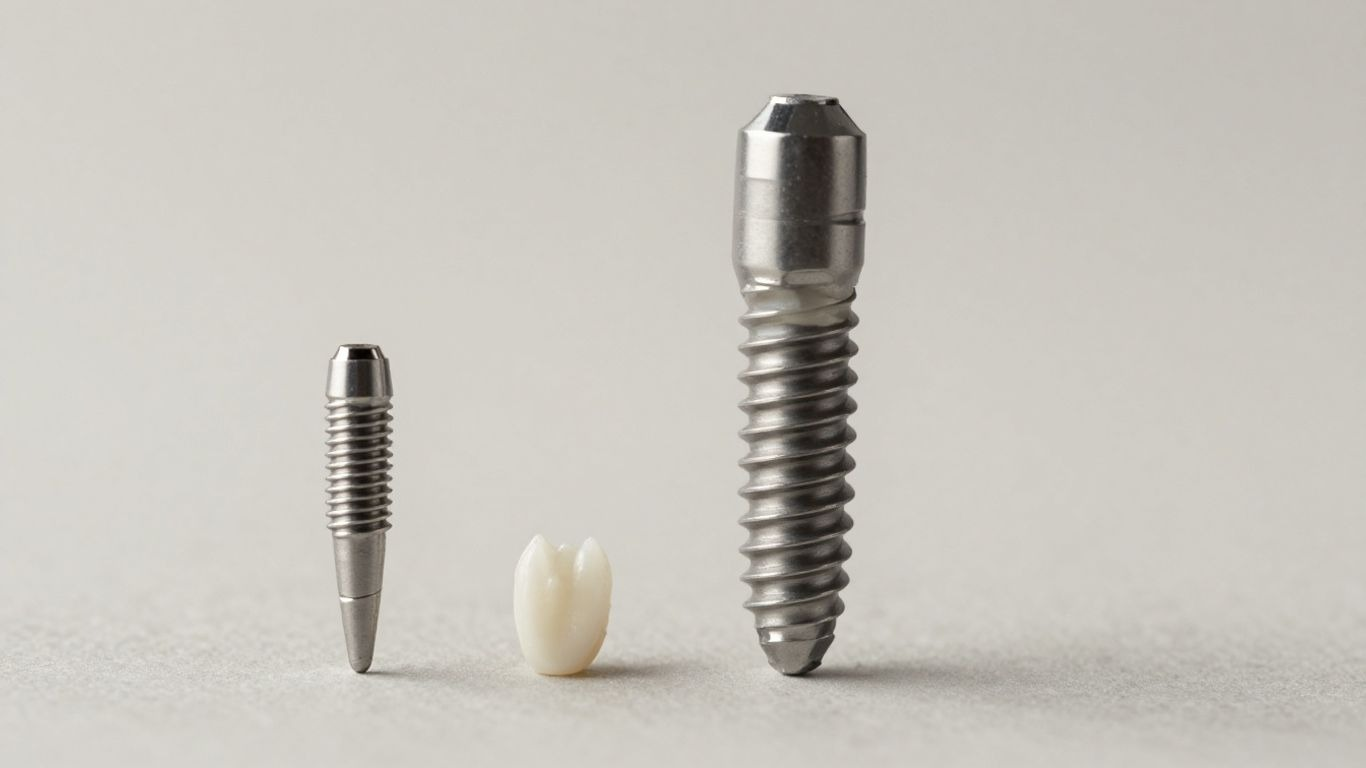
Thinking about getting new teeth and weighing your options? You've probably heard about dental implants, but did you know there are different kinds? Specifically, there's a difference between a mini dental implant & a standard implant. It can be a bit confusing trying to figure out which one is best for you. This article breaks down the main differences, pros, cons, and what to consider so you can make a more informed choice about your smile.
Key Takeaways
- Mini dental implants are smaller, typically under 3mm in diameter, compared to standard implants which are usually 3.25mm to 5mm.
- Mini implants are less invasive, often quicker to place, and can have a faster healing process than standard implants.
- Standard implants are generally stronger and more durable, suitable for replacing individual teeth and handling full chewing loads, especially in the back of the mouth.
- Mini implants are excellent for stabilizing dentures and can be an option for patients with less bone density, sometimes avoiding the need for bone grafting.
- The best choice depends on individual needs, bone health, desired outcome, and budget, with a consultation with a dental professional being the best way to decide.
What Is a Mini Dental Implant?
So, what exactly are mini dental implants? Think of them as the smaller cousins of the standard dental implants you might have heard about. They’re basically tiny titanium posts, usually around 2 to 3 millimeters in diameter, which is about half the size of a regular implant. This smaller size is a pretty big deal and is the main reason they're called 'mini'.
How do mini implants work? They function similarly to their larger counterparts by acting as a stable anchor for replacement teeth. However, their smaller size means they're often used in specific situations. For instance, if you've lost some bone in your jaw, a common issue after losing teeth, a mini implant might be a good option because it requires less bone to be placed. They're also frequently used to help secure dentures, making them much more stable so you can eat and talk without worry.
- When there isn't enough bone for a standard implant.
- To help stabilize lower dentures.
- For replacing smaller teeth or teeth in tight spots.
- Sometimes for front teeth replacements.
The procedure for placing mini implants is generally less invasive than for standard implants. This often means a quicker recovery time and less discomfort for the patient. It's a less involved process overall.
Basically, what is a mini dental implant? It's a clever, smaller solution for tooth replacement that opens up options for people who might not be candidates for traditional implants. They're a great way to get a more secure and functional smile without needing extensive procedures like bone grafting.
What Is a Standard Dental Implant?
Alright, let's talk about the standard dental implant. Think of this as the tried-and-true workhorse for replacing missing teeth. It's basically a small, screw-like post, usually made of titanium, that a dentist puts right into your jawbone where your tooth used to be.
This isn't just some temporary fix, though. The cool part is that your jawbone actually fuses with the titanium post over time. This process is called osseointegration, and it creates a super strong and stable base, kind of like a natural tooth root. Once that's all healed up and solid, your dentist can attach a replacement tooth, called a crown, onto the post. It looks, feels, and works just like your own tooth.
Standard implants are pretty robust and are designed to handle all the normal chewing and biting forces you throw at them. This makes them a great option if you've lost teeth and want to get back to eating your favorite foods without worry, whether that's a crunchy apple or a juicy steak.
- Maximum Strength: They're built to last and handle regular chewing.
- Long-Term Solution: With good care, these can seriously last a lifetime.
- Natural Look and Feel: The goal is to make it look and function just like your original tooth.
- Versatile: They can be used for single missing teeth, multiple teeth, or even to support a full set of dentures.
The key thing to remember with standard implants is that you need enough healthy jawbone to support them. If bone loss has happened, your dentist might suggest a bone graft first to build up that foundation before placing the implant. It takes a bit more time and planning, but the result is a really solid, long-lasting replacement.
So, if you're looking for a durable, natural-feeling solution for missing teeth and have decent bone structure, the standard dental implant is likely what your dentist will consider first.
Mini Implant vs Standard Implant: Key Differences Explained
So, you're trying to figure out the difference between a mini implant or a standard implant? It's a common question, and honestly, it boils down to size and what you need them for.
Think of standard implants as the heavy-duty workhorses. They're generally wider, usually between 3.25mm and 5mm across. Because they're more robust, they're great for replacing individual teeth, especially those back molars that take a real beating when you chew. They need a good amount of bone to anchor into, so if you've lost bone, you might need a bone graft first. This also means the healing process can take a bit longer, but the payoff is a super stable, long-lasting solution that can feel just like your natural teeth.
Mini implants, on the other hand, are the slim and trim option. They're typically under 3mm wide, about the size of a pencil lead. Their smaller size is a game-changer for folks who don't have a lot of bone density or for stabilizing lower dentures. If your dentures feel like they're constantly on the move, mini implants can give them a secure click, making eating and talking way more comfortable. They're also usually a quicker and less invasive procedure.
- Size: Standard implants are wider; mini implants are much narrower.
- Bone Needs: Standard implants usually require more bone; mini implants can sometimes work with less bone, potentially avoiding grafting.
- Primary Use: Standard implants are ideal for replacing single teeth and handling strong chewing forces. Mini implants often shine when stabilizing dentures or in cases with limited bone.
- Procedure: Mini implants are generally less invasive and can have a faster treatment timeline.
While both types of implants aim to provide a stable base for replacement teeth or dentures, their applications differ significantly. It's not really a case of one being 'better' than the other, but rather which one is the right fit for your specific situation and dental needs.
So, when you're weighing up the Mini Implant or Standard Implant options, remember it's all about matching the implant's capabilities to what your mouth needs. Standard implants offer maximum strength for individual tooth replacement, while mini implants provide a less invasive solution, particularly useful for denture stabilization and in cases where bone is a concern.
Pros and Cons of Mini Dental Implants
So, let's talk about mini dental implants. They're smaller than the usual ones, and that size difference brings its own set of good and not-so-good points.
The Upside:
- Less Invasive: These little guys usually mean less drilling and a simpler procedure overall. If you're not keen on a big surgery, this is a definite plus.
- Great for Denture Stability: If you've got a lower denture that feels like it's got a mind of its own, mini implants can really help anchor it down. Think "click and go" instead of "wobble and worry."
- Quicker Treatment: Sometimes, you can get your new teeth on there much faster with mini implants, especially if they're just stabilizing a denture. Who doesn't like getting things done sooner?
- No Bone Grafting Needed (Often): For folks who don't have a ton of bone density, mini implants can sometimes be an option without needing that extra bone grafting step. That's a big deal for many people.
The Downside:
- Not as Tough: Because they're smaller, they can't handle the same kind of chewing force as a standard implant. They're generally not the best choice for replacing back teeth where you do a lot of heavy chewing.
- Might Not Last as Long: In areas with really strong bite forces, their smaller size means they might not hold up as well over many, many years compared to their bigger cousins.
- Not Always a Full-Mouth Fix: They're usually not the go-to for replacing an entire set of teeth on their own. You might need a mix of implant types or stick with traditional ones for that.
- O-Ring Maintenance: If you're using them to hold dentures, there are little rubber O-rings that will eventually need replacing. It's not a huge deal, but it's something to keep in mind.
Basically, mini implants are fantastic for specific jobs, like giving dentures a solid grip or for people who can't go the traditional route due to bone loss. They're a less intense option, but you do trade off some of the brute strength and long-term bite capacity you get with standard implants.
Pros and Cons of Standard Dental Implants
Standard dental implants are the gold standard for a reason. They're built to last and offer a really solid foundation for replacing missing teeth. Think of them as the heavy-duty option in the dental world.
Here’s a breakdown of what makes them great, and where they might not be the best fit:
The Upside:
- Super Strong and Durable: These implants are designed to handle serious chewing power. If you love biting into a crisp apple or a juicy steak without a second thought, standard implants are your best bet. They're made to last for decades, often a lifetime, with proper care.
- Looks Totally Natural: Dentists can craft the crowns that go on top to look exactly like your natural teeth. We're talking about matching color, shape, and size so perfectly that nobody will know you have an implant.
- Great for Big Jobs: If you're missing several teeth or need a full smile makeover, standard implants are the way to go. They provide the structural support needed for more extensive restorations.
- Prevents Bone Loss: When you lose a tooth, the jawbone in that spot can start to shrink. Standard implants act like a natural tooth root, stimulating the bone and helping to keep it healthy and in place. This also helps maintain your facial structure, preventing that sunken look that can happen with significant tooth loss.
The Downside:
- Needs Good Bone: This is a big one. Standard implants require a decent amount of healthy jawbone to anchor them securely. If you've had bone loss, you might need a bone graft first, which adds time and cost to the process.
- Takes More Time: Because they need to integrate with your jawbone (a process called osseointegration), standard implants usually take several months from start to finish. It's a longer journey, but the results are usually worth the wait.
- Higher Initial Cost: Generally, standard implants come with a higher upfront price tag compared to mini implants. This is due to the more complex procedure and the materials involved.
While standard implants require a more involved process and sufficient bone, they offer unparalleled stability, longevity, and a natural look that can truly transform your smile and confidence for the long haul. They're a significant investment in your oral health and overall well-being.
Which Implant Is Right for You: Mini or Standard?
So, you're trying to figure out if a mini dental implant or a standard one is the way to go. It's a big decision, and honestly, there's no single answer that fits everyone. It really boils down to what your mouth needs and what you're hoping to achieve.
Think about it like this:
- Mini implants are often the go-to when you don't have a ton of bone to work with, or if you're looking to make a loose denture feel way more secure. They're smaller, less invasive, and sometimes, you can get your new teeth on them pretty quickly. They can be a good option if you're on a tighter budget or want a simpler procedure.
- Standard implants, on the other hand, are the heavy-duty option. They're designed for maximum strength and longevity, especially if you want to replace individual teeth or need a really solid foundation for a full set of teeth. They work best when you have healthy bone or can get bone grafting done.
The best implant for you depends on a few things: the health of your jawbone, how many teeth you need replaced, your budget, and how quickly you want the treatment done. It's not just about picking the smallest or the biggest; it's about finding the right fit for your unique situation.
Here’s a quick rundown to help you think it through:
- Size: Mini implants are smaller; standard implants are larger.
- Bone Requirement: Mini implants need less bone; standard implants need more.
- Procedure: Mini implants are less invasive; standard implants are more involved.
- Healing Time: Mini implants heal faster; standard implants take longer.
- Stability: Mini implants are great for dentures; standard implants handle full bite force.
- Longevity: Mini implants may have shorter lifespan in high-pressure areas; standard implants are designed for long-term use.
Ultimately, the most important step is to chat with your dentist. They can look at your specific situation, explain all the options in detail, and help you make the choice that will give you the best results for a healthy, confident smile.
Cost Comparison: Mini Implants vs Standard Implants
Okay, let's talk about the elephant in the room: money. When you're looking at getting implants, the price tag is definitely a big factor. Generally speaking, mini dental implants are going to be easier on your wallet upfront compared to their standard-sized cousins.
Think of it like this: mini implants are usually less complex to place. They often don't require as much drilling or the extensive bone grafting that standard implants sometimes need. All that extra work for standard implants adds up, both in terms of the dentist's time and the materials used.
- Mini Dental Implant: $600 - $1,500
- Standard Implant: $3,000 - $6,000
So yeah, the difference can be pretty significant. Mini implants can be a really attractive option if you're on a tighter budget or if you need to replace several teeth and the cost of standard implants feels overwhelming.
But, and this is a big 'but', you've got to think about the long game too. While mini implants are cheaper to start, they might not last as long or handle the same kind of chewing forces as standard implants, especially in the back of your mouth. This could mean needing replacements or repairs down the line, which adds to the overall cost over time. Standard implants, though pricier initially, are built for durability and can often last a lifetime with good care. It's a trade-off between immediate savings and long-term investment.
It's not just about the sticker price today. You need to consider how long the implant will last, what it's being used for (like just holding a denture vs. chewing tough foods), and if any extra procedures like bone grafting are needed. Sometimes, the cheaper option now ends up costing more later.
How Long Do Mini Dental Implants Last Compared to Standard?
So, how long can you expect these things to stick around? It's a big question, and the answer isn't a simple "X years" for either type. Generally speaking, standard dental implants are built for the long haul, often lasting a lifetime with good care. Think of them as the marathon runners of the dental world.
Mini dental implants, because they're smaller and sometimes used in situations where bone density isn't ideal, might not have quite the same staying power in every single case. They're fantastic for stabilizing dentures, and when used for that, they can last for many, many years. However, if you're talking about using them to chew tough foods all day, every day, especially in the back of your mouth where the bite force is strongest, they might wear down faster than a standard implant.
- Standard Implants: Often designed to last 15-20 years or more.
- Mini Implants: Can last many years, especially for denture stabilization.
- How you use them
- Your oral hygiene
- Your dentist's skill
- Your overall health
The key takeaway is that while standard implants are generally considered more robust for heavy chewing, mini implants can be a very long-lasting solution for specific needs, like keeping dentures from shifting. It's all about matching the right implant to the right job.
So, while a standard implant might be the go-to for replacing a back molar that takes a beating, a mini implant could be the perfect, long-lasting solution for keeping your lower denture firmly in place so you can laugh and eat with confidence.
So, Which One is Right for You?
Alright, so we've talked about the nitty-gritty of mini versus standard dental implants. Basically, mini implants are smaller, less invasive, and often quicker to get done, making them a solid choice if you don't have a ton of bone or if you're looking for a more budget-friendly fix, especially for lower dentures. Standard implants, on the other hand, are the heavy-duty option – super strong and built to last, perfect if you've got good bone and want that top-tier stability for chewing anything you want. The best move? Chat with your dentist. They'll look at your mouth and figure out which implant is going to give you the best smile and the most confidence.
Frequently Asked Questions
What exactly is a mini dental implant?
Think of a mini dental implant as a smaller version of a regular one, about the width of a pencil tip. They're a great choice for people who don't have enough bone to support a larger, traditional implant. They're also quicker and less painful to put in, meaning you heal faster!
How is a standard dental implant different from a mini one?
The main difference is size! Standard implants are much wider, usually between 3.25mm and 5mm. Mini implants are less than 3mm wide. Because they're smaller, mini implants are often used to help secure dentures, while standard implants are better for replacing individual teeth and can handle more chewing force.
Do I need a bone graft for mini implants?
Often, no! Mini implants are a fantastic option when you don't have enough bone for a standard implant. Their smaller size means they can sometimes be placed without needing a bone graft, which saves time and reduces the invasiveness of the procedure.
Can I get a new tooth right away with mini implants?
Yes, in many cases! One of the cool things about mini implants is that you can often have your replacement tooth or teeth attached right after the implant is placed. This means you don't have to wait as long to start using them, unlike with standard implants.
Are mini implants as strong as regular implants?
Standard implants are generally stronger and better for chewing, especially for back teeth that handle a lot of force. Mini implants are great for stability, particularly for lower dentures, but they might not be the best choice if you need to chew very hard foods regularly, as they can be more prone to wear over time.
How long will mini dental implants last compared to standard ones?
Both types are made from durable titanium and can last a very long time with good care. However, standard implants, due to their size and strength, tend to be more robust for heavy chewing and might last longer in the back of your mouth. Mini implants, while durable, may have a shorter lifespan in areas with significant chewing pressure.
Blog Post Author

Contributed by DentalROI
DentalROI provides relevant dental content to help providers educate patients. The statements, services, and products referenced in this article have not been evaluated by the Food and Drug Administration, and they are not intended as a substitute for professional medical advice, diagnosis, or treatment. Always seek the advice of your dental provider with any questions or issues you may have. Specific recommendations may vary in different circumstances, so individual consultation is important.