
How Do You Know if You Need a Root Canal Treatment
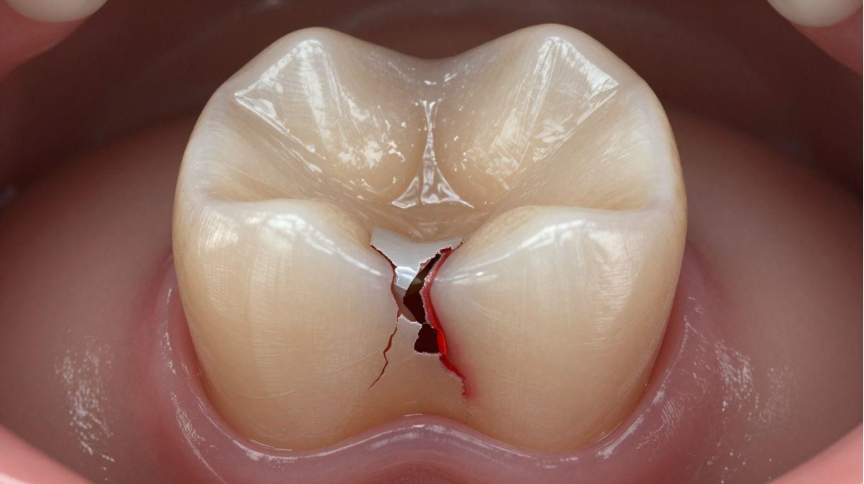
Root canals. The phrase alone can make some people a little uneasy. But what exactly is a root canal, and how do you know if you might need one? While a dentist is the only one who can give you a definitive answer, there are several signs your body might be giving you that point towards needing this common dental procedure. Paying attention to these signals can help you get the care you need sooner rather than later, saving you from potential discomfort and further dental issues.
Key Takeaways
- Persistent tooth pain, whether constant or recurring, is a primary indicator that you might need a root canal.
- Lingering sensitivity to hot or cold temperatures, even after the stimulus is removed, can signal nerve damage within the tooth.
- A tooth that darkens or turns grayish-black often suggests internal decay or tissue breakdown, potentially requiring root canal treatment.
- Swelling in the gums or face, sometimes accompanied by a small bump or pimple on the gum line that may ooze pus, points to an infection.
- Pain when chewing or touching the tooth, or a feeling of looseness, can also be signs that the tooth's inner pulp is compromised.
What a Root Canal Actually Treats
When a tooth is causing a lot of trouble, a root canal might be the answer. It's a dental procedure aimed at fixing a tooth that has damage deep inside, specifically in the part called the pulp. Think of the pulp as the tooth's inner core, where the nerves and blood vessels live.
So, what's the actual goal here? The main purpose of a root canal is to save a natural tooth that would otherwise need to be removed. This happens when the pulp inside the tooth becomes inflamed or infected. This kind of damage can occur for a few reasons:
- Deep cavities that reach the pulp.
- A crack or chip in the tooth.
- Repeated dental work on the same tooth.
- Trauma to the tooth, even if there's no visible damage.
During the procedure, the infected or inflamed pulp is carefully removed. Then, the inside of the tooth is cleaned, disinfected, and filled with a special material to seal it up. Finally, the tooth is usually covered with a crown to protect it and restore its normal function. It's all about getting rid of the infection and pain while keeping your own tooth in place.
Common Signs That May Indicate the Need for a Root Canal
So, how do you know if you need a root canal? It's not always obvious, and sometimes a dentist spots the problem before you even feel anything. But there are definitely some signals your body might be sending you. If you're wondering, "What are the Signs That You Need a Root Canal?" or "how do u know if you need a root canal?", keep an eye out for these.
Persistent tooth pain is often the biggest clue. This isn't just a little twinge; it's pain that sticks around. It might be a constant ache, or it could come and go, but it always seems to return. You might feel it deep within the tooth, or it could even spread to your jaw, face, or other teeth. This kind of pain usually means something is going on inside the tooth's pulp.
Here are some other common signs that might mean you need a root canal treatment:
- Lingering Sensitivity: Does your tooth hurt when you drink something hot or cold? And does that pain stick around for a while, even after you've stopped eating or drinking? This prolonged sensitivity, especially to temperature changes, can point to damaged nerves or infected pulp inside the tooth.
- Tooth Discoloration: If one of your teeth starts looking darker, maybe grey or even blackish, it could be a sign that the pulp inside has died or is breaking down. Trauma to the tooth or deep decay can cause this change in color.
- Swollen Gums or a Bump on the Gums: You might notice swelling around a particular tooth, or even a small pimple-like bump on your gums. This is often a sign of an infection, sometimes called an abscess, that has formed at the root of the tooth. This bump might even ooze pus, which can cause bad breath and an unpleasant taste.
- A Chipped or Cracked Tooth: Even a small chip or crack can open the door for bacteria to get inside the tooth and cause infection. Sometimes, a tooth might crack on its own if it's severely decayed or damaged internally.
- Pain When Chewing or Applying Pressure: If biting down on a tooth or even just touching it causes pain, it could be another indicator of an issue with the tooth's inner structures. The ligament around the tooth's root can become inflamed and sensitive.
It's important to remember that not all tooth pain means you need a root canal. Things like cavities, gum disease, or even sinus infections can cause discomfort. However, if you're experiencing any of these signs, especially persistent pain or sensitivity, it's best to see a dentist. They have the tools, like X-rays, to figure out exactly what's going on and how do dentists know if you need a root canal. Signs You May Need a Root Canal After a Filling can also occur if the filling itself causes irritation or if decay progresses underneath it. Early treatment is key to saving the tooth and preventing further problems.
What Causes a Tooth to Need a Root Canal
A tooth might need a root canal when the soft inner part, called the pulp, becomes inflamed or infected. This often happens because of deep decay, repeated dental procedures on the tooth, or a crack or chip in the tooth. If the pulp gets damaged, it can die, and if it's not treated, the infection can spread, leading to an abscess.
Several things can lead to this damage:
- Deep Cavities: When decay goes deep into the tooth, it can reach the pulp.
- Cracks or Chips: Even small breaks in the tooth can expose the pulp to bacteria.
- Trauma: A blow to the tooth, even if it doesn't seem serious at the time, can damage the pulp.
- Repeated Dental Work: Sometimes, multiple procedures on the same tooth can cause internal damage over time.
When the pulp is damaged, it can cause significant pain and sensitivity. If left untreated, the infection can cause swelling in the jaw or face and may even lead to tooth loss. It's important to address these issues promptly.
The pulp contains nerves and blood vessels. When it's infected or damaged, it can cause a lot of discomfort and needs professional attention to save the tooth.
Why Early Treatment Matters
Putting off a root canal when you need one can lead to bigger problems down the road. Think of it like a small leak in your roof; ignoring it might seem easier at first, but eventually, it can cause significant water damage to your ceiling and walls. The same idea applies to your tooth. If an infection or inflammation in the tooth's pulp isn't addressed, it can spread.
Delaying treatment allows the infection to worsen, potentially leading to a more serious condition like a dental abscess. An abscess is a pocket of pus that can cause severe pain and swelling, and the infection can even spread to other parts of your body if left untreated. This can make the situation more complicated and potentially more difficult to treat.
Here’s what can happen if you wait:
- Increased Pain and Discomfort: The initial sensitivity or ache you might be feeling will likely get much worse as the infection progresses.
- Spread of Infection: The bacteria can travel from the tooth's root into the surrounding jawbone and even into your bloodstream, which is a serious health risk.
- Tooth Loss: If the infection severely damages the bone supporting the tooth, or if the tooth structure itself becomes too compromised, extraction might become the only option. Losing a tooth can affect your ability to chew and speak, and may lead to other teeth shifting out of place.
Getting a root canal done promptly is about more than just relieving pain; it's about saving your natural tooth and preventing further health issues. A treated tooth, with proper care, can last for many years, allowing you to continue eating and smiling without worry.
Waiting too long can turn a manageable dental issue into a more complex and potentially risky health concern. Addressing the problem early is always the best approach for your overall well-being.
What Happens During a Root Canal Procedure
So, you're wondering what actually goes down when you need a root canal? It sounds a bit intimidating, but honestly, it's a pretty standard procedure these days, designed to save your tooth and get rid of that nagging pain. Think of it as a deep cleaning for the inside of your tooth.
First off, don't worry about the pain. Your dentist will make sure the area is completely numb with local anesthesia. You might feel a bit of pressure, but it shouldn't hurt. To keep things clean and dry during the process, a small sheet called a dental dam is usually placed around the tooth. This is a pretty important step to prevent any infection from spreading.
Here's a general rundown of the steps involved:
- Accessing the Pulp: A tiny opening is made in the crown of the tooth. This gives the dentist access to the inner chamber where the pulp is located.
- Cleaning and Disinfecting: Using small, specialized instruments, the dentist carefully removes the infected or damaged pulp. The inside of the tooth, including the root canals, is then thoroughly cleaned and disinfected.
- Filling the Canals: Once everything is clean, the empty space inside the tooth is filled and sealed with a special rubber-like material, often called gutta-percha. This material helps prevent bacteria from getting back in.
- Sealing the Tooth: Finally, the opening in the tooth is sealed, usually with a temporary filling. This is just a placeholder until the tooth is ready for its permanent restoration.
Most of the time, a root canal procedure itself takes about an hour or so, though sometimes it might need a second visit. After the main procedure, you'll likely need a crown placed on the tooth to protect it and restore its full function. This crown is usually put on at a later appointment. It's all about getting you back to feeling comfortable and keeping your natural tooth in place.
The main goal of a root canal is to remove the infection from the inner part of the tooth, relieve your pain, and save the tooth from needing to be extracted. It's a way to keep your smile intact and functioning properly.
Afterward, you might feel a little tender for a few days, but the severe pain you were experiencing should be gone. Your dentist will give you specific instructions on how to care for the tooth as it heals, which usually involves eating softer foods for a bit and maintaining good oral hygiene. It's really about giving your tooth a chance to recover and continue serving you for years to come. If you're experiencing tooth pain, it's a good idea to talk to your dentist about what might be going on.
So, What's the Takeaway?
It can be tough to figure out if a toothache means you need a root canal or if it's something else. Things like constant pain, sensitivity to hot and cold, or a tooth that looks darker than usual are definitely signs to pay attention to. But honestly, the only way to know for sure what's going on and what needs to be done is to see your dentist. They have the tools and the know-how to figure out the problem and get you feeling better. Don't put off a visit if you're worried about a tooth – catching things early usually makes treatment simpler and helps keep your smile healthy. Contact Fine Dentistry Orlando today for a professional evaluation and timely treatment if you're experiencing signs of a root canal infection.
Frequently Asked Questions
- What exactly happens during a root canal?
A root canal procedure involves cleaning out the infected or damaged inner part of a tooth, called the pulp. Dentists carefully remove this pulp, disinfect the space, and then fill and seal it. Finally, a crown is usually placed on top to protect the tooth and make it strong again. It's a way to save a tooth that would otherwise need to be removed. - Will a root canal hurt?
Many people worry about pain, but modern root canals are usually not painful. Dentists use local anesthesia to completely numb the tooth and the surrounding area, similar to getting a filling. The pain people feel usually comes from the infected tooth itself, and the root canal procedure actually relieves that pain. - How long does it take to recover from a root canal?
Most people feel much better within a few days to a week after a root canal. You might have some slight soreness or sensitivity, but it shouldn't be severe or last long. Following your dentist's aftercare instructions, like eating soft foods for a bit and keeping the area clean, helps with healing. - Can I just ignore tooth pain and hope it goes away?
It's generally not a good idea to ignore persistent tooth pain. Unlike some minor discomforts, toothaches caused by deeper problems, like an infected pulp, rarely get better on their own. Delaying treatment can allow the infection to spread, potentially causing more serious issues and making the tooth harder to save. - Are there any signs that I might need a root canal besides a toothache?
Yes, there are other signs to watch for. These include a tooth that becomes discolored (looks darker), swelling in the gums or face, a pimple-like bump on the gums that might ooze pus, and lasting sensitivity to hot or cold temperatures. Even a chipped or cracked tooth can sometimes lead to needing a root canal if bacteria get inside. - How can I tell if my tooth pain is serious enough for a root canal?
The best way to know for sure is to see a dentist. However, if you have pain that is constant or comes and goes but is persistent, especially if it gets worse when you bite down or touch the tooth, it's a strong indicator. Also, if sensitivity to hot or cold lasts for a long time after the stimulus is removed, that's another warning sign that the inner part of the tooth might be damaged.
Blog Post Author

Contributed by DentalROI
DentalROI provides relevant dental content to help providers educate patients. The statements, services, and products referenced in this article have not been evaluated by the Food and Drug Administration, and they are not intended as a substitute for professional medical advice, diagnosis, or treatment. Always seek the advice of your dental provider with any questions or issues you may have. Specific recommendations may vary in different circumstances, so individual consultation is important.