
How Long Do Porcelain Veneers Last?
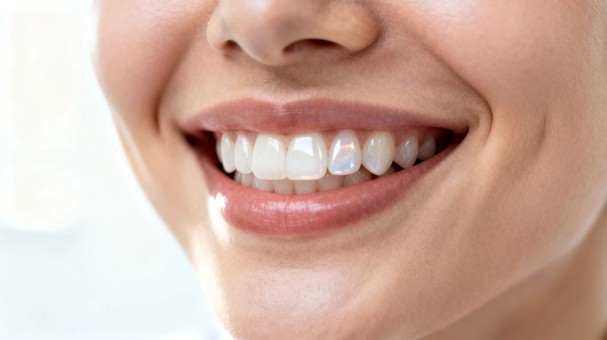
Deciding to invest in a brighter smile often leads people to consider the longevity of their dental enhancements. While you want your results to stay fresh, understanding what goes into maintaining them is essential for long-term satisfaction. Here's how Fine Dentistry of Downtown Orlando talks patients through what determines how long veneers actually last.
What's the Average Lifespan of Porcelain Veneers?
Most high-quality porcelain veneers typically last for about 10 to 15 years before they require a refresh or replacement. While this duration is impressive, it is certainly not indefinite, as your natural teeth underneath will continue to age and respond to oral health conditions. Maintaining a structured care plan is the most effective way to ensure you get the absolute most out of your dental investment over the years.
| Feature | Estimated Duration |
|---|---|
| Standard Porcelain | 10 to 15 Years |
| High-Strength Composite | 5 to 7 Years |
| Temporary Acrylic | 2 to 4 Weeks |
These timeframes are estimates based on routine maintenance and regular professional attention. According to MouthHealthy, the American Dental Association's patient resource, veneers are a long-term cosmetic option when properly cared for. By staying consistent with check-ups, most individuals find that their results remain stable and aesthetically pleasing for over a decade. Focusing on preservation is always better than rushing into premature replacements.
Signs It's Time to Replace Your Veneers
Spotting the signs that a veneer is failing can save you from bigger dental headaches down the road. You might notice small gaps appearing near the gum line or perhaps a slight change in how the porcelain feels against your tongue. It is always wise to keep an eye on how everything sits, especially if you experience unexpected sensitivity or discomfort that lingers after a meal.
Do Veneers Stain Over Time?
Unlike natural teeth, high-quality porcelain resists the pigments found in dark coffee, tea, and red wine. However, the bonding material used to affix the veneer can sometimes pick up color if it starts to wear thin or pull away. Persistent discoloration that no longer matches your natural teeth usually means the interface is aging.
- Visit your dentist every six months for a deep cleaning.
- Use a soft-bristled toothbrush to avoid scratching the surface.
- Avoid using harsh, abrasive whitening toothpastes on the prosthetics.
- Refrain from using your teeth as tools to open packages.
Keeping these factors in mind helps you manage the appearance of your smile effectively. If you notice localized staining that you cannot brush away, schedule a visit with our team to assess whether the bonding agent needs a refresh. Taking proactive steps ensures your cosmetic results remain as vibrant as the day you first walked out of the office.
How to Make Your Veneers Last as Long as Possible
Preserving your dental work requires a mix of diligent personal care and regular professional oversight. It's not just about keeping the surface clean but also about protecting the underlying tooth structure from decay, since even the sturdiest restorations sit in a mouth that keeps changing.
Habits That Shorten the Life of Your Veneers
Certain behaviors put excessive physical stress on your dental work, leading to chips or looseness much sooner than expected. Chewing on ice, biting your fingernails, or grinding your teeth at night are leading contributors to premature material failure. If you struggle with involuntary nighttime clenching, talking to your dentist about a custom guard can extend the lifespan of your veneers significantly.
What Happens When Veneers Need to Be Replaced?
When the time comes to swap out your old restorations, the process often mirrors your first experience. Because your original teeth were slightly modified to accommodate the veneers, the surface underneath still needs careful handling, and protecting your enamel remains the top priority during removal and replacement. Our veneers team can walk you through what a replacement visit typically involves.
Choosing a Dentist Skilled in Long-Lasting Veneer Work
Selecting a practitioner with extensive experience in cosmetic restoration is perhaps the most critical step you can take. Dr. Aileen Trivedi, DMD, FAGD, emphasizes precision in bonding and material selection to ensure natural-looking results that don't fail prematurely. Our Orlando dentist evaluates your bite and oral health history to help you achieve durability without sacrificing the beauty of your smile.
Is Cosmetic Bonding a Better Fit for You?
Veneers aren't the only option for chipped, discolored, or unevenly shaped teeth. Depending on your goals and budget, our cosmetic dentistry team may recommend composite bonding or professional whitening first. A consultation is the best way to compare costs and expected lifespan side by side.
Conclusion
Maintaining your smile is a commitment that pays off through years of increased confidence and aesthetic appeal. By following simple hygiene steps and visiting your dental team regularly, you can keep your porcelain enhancements looking their best for well over a decade. If you're considering veneers or need to have an existing set evaluated, contact our Downtown Orlando office to schedule a consultation.
Frequently Asked Questions
Can I still get cavities after getting veneers?
Yes, cavities can still form on the parts of your natural tooth not covered by the veneer, so brushing and flossing around the edges remains essential.
Does the process of getting veneers hurt?
Most patients report very little discomfort because the area is numbed beforehand. Mild sensitivity afterward typically fades within a few days.
Can I whiten my veneers if they get dull?
Porcelain doesn't respond to traditional whitening like natural enamel. If your veneers appear dull, consult our team about professional cleaning or replacement.
Is it possible to replace just one veneer?
Yes, many dentists can successfully match a single new veneer to the color and shape of your existing ones, which is common after an isolated injury.
How do I know if my veneers are loose?
A slight clicking sensation or a gap forming between the veneer and your tooth is a clear sign to contact your dentist right away.
Blog Post Author

Contributed by DentalROI
DentalROI provides relevant dental content to help providers educate patients. The statements, services, and products referenced in this article have not been evaluated by the Food and Drug Administration, and they are not intended as a substitute for professional medical advice, diagnosis, or treatment. Always seek the advice of your dental provider with any questions or issues you may have. Specific recommendations may vary in different circumstances, so individual consultation is important.