
How Long to Keep Gauze in After Tooth Extraction
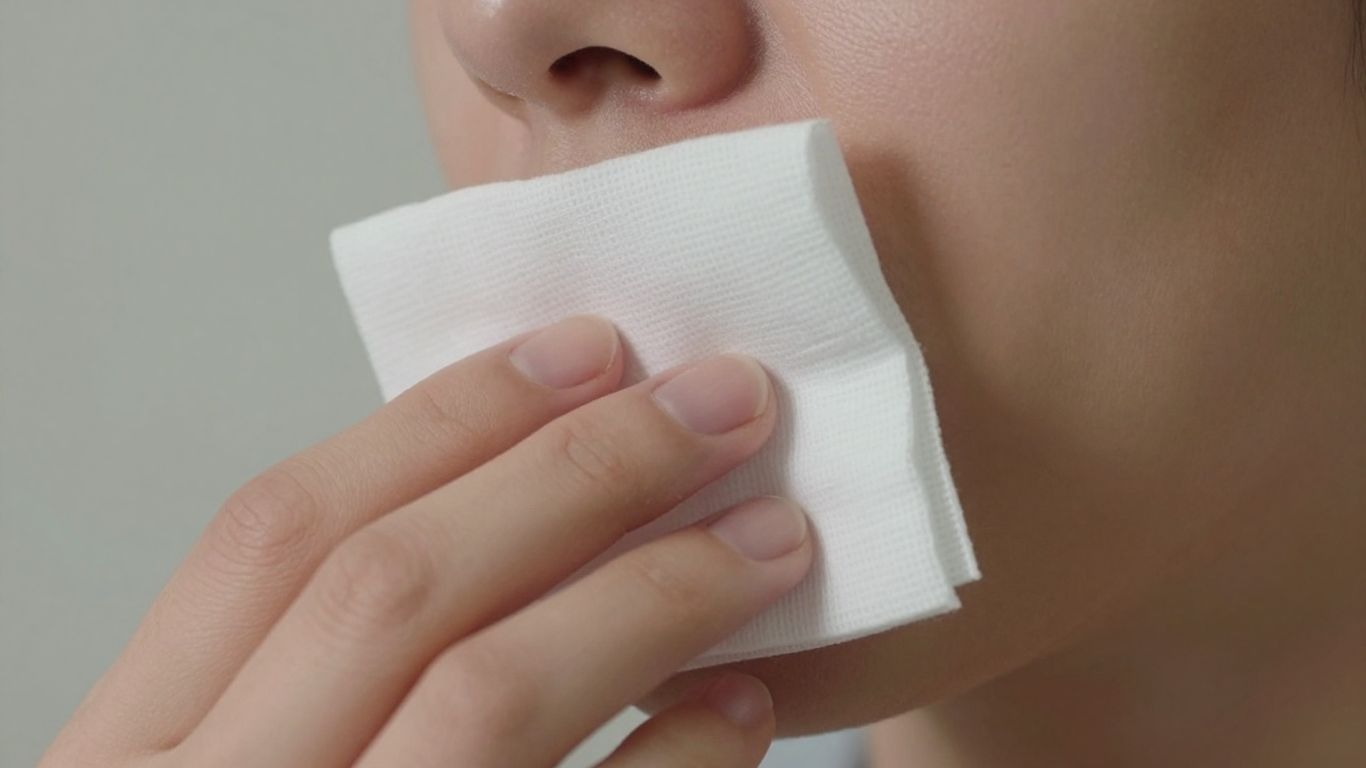
So, you've had a tooth pulled and you're wondering about that gauze. It's a common question, and honestly, it's pretty important for how things heal up. You don't want to mess this part up, but thankfully, it's not super complicated. Let's talk about how long you should keep that gauze in after your extraction.
Key Takeaways
- For most tooth extractions, you'll want to keep the initial gauze pack in for about 30 to 45 minutes. This helps a lot with stopping the bleeding and getting that important blood clot started.
- If bleeding is still noticeable after the first 30-45 minutes, you can swap out the old gauze for a fresh one and keep biting down. Change it every 30-45 minutes as needed until the bleeding slows to just a little ooze.
- Once the bleeding has really slowed down, to just minor spotting on the gauze, it's usually okay to take it out. You don't need to keep it in indefinitely if things are looking good.
- Be careful not to spit or use straws for a while after your extraction. Doing so can mess with the blood clot, which can lead to a painful thing called dry socket.
- Some minor bleeding or a pinkish tint to your saliva can be normal for up to 24 hours. If you're seeing heavy, bright red bleeding that soaks through gauze quickly, it's a good idea to call your dentist.
How Long Should You Keep Gauze in After Tooth Extraction?
So, you've had a tooth pulled, and now you're sitting there with a wad of gauze in your mouth. It feels a bit weird, right? You're probably wondering, "How long do I have to keep this thing in here?" Well, it's not forever, but doing it right is pretty important for healing.
How long to keep gauze in after wisdom tooth extraction?
Wisdom tooth extractions can sometimes be a bit more involved, but the general idea for gauze is the same. Your dentist will likely have you bite down on some gauze right after the procedure. The goal is to put gentle pressure on the spot where the tooth was. This helps a blood clot start to form, which is basically your body's natural way of sealing up the wound. For most extractions, including wisdom teeth, you'll want to keep that first piece of gauze in for about 30 to 45 minutes.
How long to keep gauze in mouth after a regular extraction?
For a standard tooth extraction, the timeline is pretty similar. After your dentist places the gauze, just bite down gently. Don't chew or move it around too much. You'll want to leave that first piece in for at least 30 minutes. If you notice it's getting soaked through with blood, it's time to swap it out. Here’s a quick rundown on changing it:
- First 30-45 minutes: Keep the initial gauze in place. Bite down gently.
- After the first hour: If bleeding is still noticeable, carefully remove the old gauze and place a fresh piece. Bite down again.
- Changing the gauze: Continue changing it every 30 to 45 minutes as needed. You're looking for the bleeding to slow down significantly.
It's totally normal to have a little bit of oozing or a pinkish tint to your saliva for up to 24 hours. This doesn't always mean you need to keep swapping out the gauze. Once the bleeding has really slowed to just a minimal amount, you can usually ditch the gauze and let your mouth heal naturally. If you're ever unsure about how long to keep in gauze after tooth extraction, it's always best to check with your dentist.
Remember, the gauze is there to help stop bleeding and protect the forming blood clot. Messing with it too much or removing it too early can mess up that clot and lead to problems like dry socket. So, patience is key!
If you're wondering about how long to keep the gauze in after tooth extraction, or how long to keep gauze in mouth after tooth extraction, think of it as a process. The initial period is the most important for clotting, and then you gradually reduce its use as bleeding stops. For how long to keep gauze in after a tooth extraction, always follow your dentist's specific instructions, as they know your situation best.
Step-by-Step Guide: How to Place and Change Gauze Properly
After a tooth extraction, handling the gauze can feel like a bigger deal than you expected. Getting it right helps your mouth heal and keeps bleeding under control. Here's how you can manage it at home without stressing out.
How to keep gauze in place after tooth extraction?
- Start with clean hands. Wash them thoroughly before you even touch the gauze.
- Fold a fresh piece of sterile gauze into a thick pad – you want it thick enough to apply gentle pressure, but not so bulky that you can't close your mouth.
- Place the gauze directly over the spot where your tooth was removed. Make sure it covers the site fully, but don't shove it deep inside the socket.
- Bite down gently, keeping steady pressure on the gauze. Don't bite too hard just enough that the bleeding site gets compressed.
- Leave it in place for 30 to 45 minutes, then check to see if the bleeding has slowed.
- If the gauze is soaked, replace it with a new, clean pad and repeat the process. Change the gauze every 30–45 minutes until bleeding stops or slows to a slight ooze.
Give yourself plenty of time to rest while doing this, and try to avoid talking or moving the gauze around unnecessarily; it just messes with the healing process.
Quick Tips Table: Gauze Care After Extraction
- Initial gauze placement: 30–45 minutes
- Gauze replacement interval: Every 30–45 minutes
- When to stop using gauze: Once active bleeding stops
Avoid spitting, drinking through straws, or vigorously rinsing for the first 24 hours—these habits can pop the blood clot loose.
Always switch out to clean gauze if it gets soaked. Dirty gauze hanging around your mouth isn't great for healing.
Once bleeding has slowed down to an ooze or is hardly showing on the gauze, you're probably safe to stop using it. If you're still bleeding after a couple of hours or have questions, don't wait—call your dentist for advice, just in case there's something bigger happening.
What Happens If You Remove Gauze Too Early?
So, you're probably wondering what the big deal is about keeping that gauze in place after your tooth extraction. It might seem like a minor detail, but messing with it too soon can actually cause some problems.
The main issue is that you can mess up the blood clot. This clot is super important; it's like your body's natural Band-Aid that forms over the extraction site. It protects the bone and nerves underneath and is the first step in healing. If you pull out the gauze too early, especially if you're doing things like spitting or drinking through a straw, you can dislodge this clot. This can lead to a really painful condition called a dry socket.
- More Bleeding: Without the gauze applying gentle pressure, the bleeding might start up again or just not stop as quickly as it should. It's normal to have a little oozing for a while, but too much isn't a good sign.
- Dry Socket: Like I mentioned, this is a big one. It happens when the blood clot doesn't form properly or gets dislodged. It's incredibly painful and can delay your healing significantly. You'll usually know it because the pain will get worse a few days after the extraction, not better.
- Delayed Healing: Even if you don't get a dry socket, constantly disturbing the site can slow down the whole healing process. Your mouth needs time to start closing up that gap, and if you keep poking around or dislodging clots, it's going to take longer.
Basically, that gauze is there for a reason. It helps control bleeding and gives the initial blood clot a chance to get stable. It's not meant to stay in forever, but giving it the recommended time to do its job is key to a smoother recovery. Listen to your dentist's instructions on when to change it and when you can finally toss it out.
Foods and Activities to Avoid After Tooth Extraction
Okay, so you've had a tooth pulled, and now you're probably wondering what you can and can't do. It's super important to be gentle with your mouth for a while so everything heals up right.
First off, let's talk food. For the first day or two, stick to soft stuff. Think smoothies (but don't use a straw!), yogurt, applesauce, mashed potatoes, and scrambled eggs. Basically, anything you can easily swallow without much chewing. You don't want to be chomping down on anything hard or crunchy, as that could mess with the healing site. Also, be careful with hot foods and drinks. That numbing stuff they give you can make it hard to tell how hot things are, and you don't want to burn yourself. Let things cool down a bit before you take a bite or a sip.
When it comes to activities, the biggest no-no is anything that creates suction in your mouth. This means no smoking, no drinking through straws, and definitely no spitting forcefully. Doing any of these can pull out that important blood clot that's forming, leading to a painful condition called dry socket. You'll want to avoid strenuous activity for the first 24-48 hours too. No heavy lifting or intense workouts – just take it easy. Your body needs to focus on healing, not on recovering from a marathon.
- Foods: Anything hard, crunchy, spicy, or very hot.
- Drinks: Anything requiring a straw, or very hot beverages.
- Activities: Smoking, spitting, intense exercise, and anything that might jostle your mouth.
Remember, your mouth is trying to heal, and anything that disrupts that process can set you back. Be patient with yourself and follow these guidelines to make sure you recover smoothly.
Wrapping It Up
So, that's pretty much the deal with gauze after a tooth extraction. You want to keep it in for about 30 to 45 minutes, and if things are still a bit messy, swap it out for a fresh piece and keep going until the bleeding slows down. Once you see just a little bit of blood or things look mostly dry, you can ditch the gauze and let your mouth do its thing. Just remember, don’t mess with the blood clot—no spitting, no straws, and definitely no poking around. If you’re ever unsure or things just don’t seem right, don’t hesitate to call your dentist. Everyone heals a little differently, so listen to your body and take it easy. Before you know it, you’ll be back to eating your favorite foods and forgetting you ever had a tooth pulled. Contact Fine Dentistry Orlando today to ensure a smooth and comfortable recovery after your tooth extraction procedure
Frequently Asked Questions
How long should I keep the first piece of gauze in my mouth after the tooth is pulled?
After your tooth is removed, you'll bite down on some gauze. It's important to keep this first piece in place for about 30 to 45 minutes. This helps stop bleeding and lets a protective blood clot start to form, which is like your body's natural bandage.
When can I take the gauze out for good?
You can usually stop using gauze when the bleeding has slowed down a lot, and you only see slight oozing on the gauze. If it's just a little bit of wetness, you can probably ditch the gauze and let your mouth heal. Always check with your dentist if you're not sure.
What if my mouth is still bleeding quite a bit after a few hours?
A little bleeding for the first day is normal. But if you're still seeing bright red blood soaking through the gauze after several hours, try biting on a damp tea bag. The stuff in tea can help blood clot. If it doesn't get better, give your dentist a call. They can help figure out what's going on.
Can I change the gauze myself if it gets soaked?
Yes, if the gauze gets soaked with blood, you can gently replace it with a fresh piece. Just make sure to bite down on the new gauze for another 30 to 45 minutes to keep pressure on the spot. Don't change it too often, though, as that can mess with the healing clot.
What happens if I take the gauze out too soon?
Taking the gauze out too early can stop the blood clot from forming properly. This might lead to more bleeding or a painful condition called dry socket. A dry socket happens when the blood clot is dislodged, leaving the bone and nerves exposed.
Are there any foods or drinks I should avoid after getting a tooth pulled?
Definitely! For the first few days, stick to soft foods like yogurt, mashed potatoes, or soup. Avoid anything hard, crunchy, or spicy. Also, stay away from using straws because the sucking action can pull out the blood clot. And be careful with hot drinks, as you might not feel the heat well if you're still a bit numb.
Blog Post Author

Contributed by DentalROI
DentalROI provides relevant dental content to help providers educate patients. The statements, services, and products referenced in this article have not been evaluated by the Food and Drug Administration, and they are not intended as a substitute for professional medical advice, diagnosis, or treatment. Always seek the advice of your dental provider with any questions or issues you may have. Specific recommendations may vary in different circumstances, so individual consultation is important.