
Invisalign Attachments: What They Are and Why You Need Them
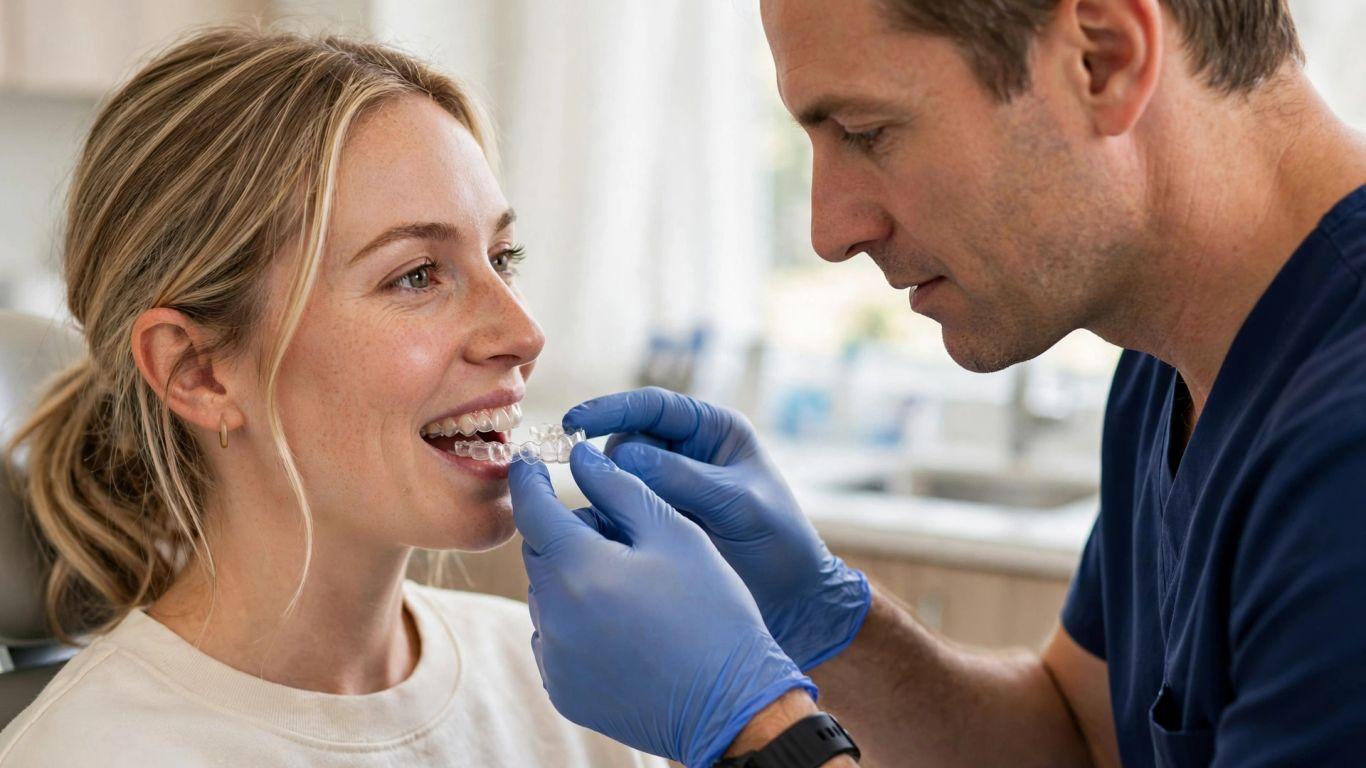
What Invisalign Attachments Are
Invisalign attachments are small additions bonded to selected teeth during some clear-aligner treatments. They can look like subtle tooth-colored bumps, though their visibility depends on where they sit. Whether you need them depends on your teeth and the movements your orthodontist plans. If you are considering treatment, see our page on Invisalign for adults in Orlando.
The Small Tooth-Colored Shapes Bonded to Your Teeth
An attachment is a small amount of dental composite bonded to the surface of a tooth. It may feel like a little raised spot when you run your tongue over it, especially when you first notice it. The aligner is made to fit over the teeth with space for these shapes.
How Attachments Differ From Buttons and Elastics
The terms can sound interchangeable, but attachments and buttons do not always refer to the same thing. Attachments are bonded shapes that an aligner can fit around, while a button is often a small bonded hook used to connect an elastic. If elastics are part of a plan, the orthodontist can explain which pieces are being used and what each one does.
The Materials Used and How They're Made
Attachments are commonly made from tooth-colored dental composite, a material also used for some fillings. The clinician applies and shapes the material on the tooth, then hardens it with a curing light. The result is a small, customized surface feature rather than a separate appliance you remove yourself.
Why Attachment Shapes and Positions Vary
An attachment's shape and position are selected for the tooth and the movement planned for it. Some teeth may have no attachments, while others may have one or more. The examples below are general illustrations, not a map of any one person's treatment.
| What may vary | Why it can matter |
|---|---|
| Shape | Different contours give the aligner different surfaces to engage. |
| Position | Placement is planned around the tooth and its intended movement. |
| Number | Some teeth may need additional contact, while others may not need an attachment. |
These details are part of an individualized plan, not a sign that one standard attachment works for every tooth.
How Invisalign Attachments Help Move Teeth
Clear aligners fit over the teeth and are changed in sequence as treatment progresses. Attachments can provide extra surfaces for an aligner to engage as it applies planned pressure. The exact role of an attachment depends on the tooth and the treatment plan.
How Aligners Grip Attachments to Apply Force
An attachment creates a raised shape that the aligner can fit around. This contact may help the aligner apply pressure to a tooth in a planned direction. The aligner and attachment work together as part of the treatment setup; an attachment does not move a tooth on its own.
Tooth Movements That Can Need Extra Support
Some movements can be harder to guide with a smooth aligner surface alone. For example, turning a tooth or changing its tilt may call for additional points of contact. The orthodontist determines whether attachments or other parts of the plan are appropriate for the movement being considered.
Why Some Teeth Need More Help Than Others
Teeth differ in shape, position, and the kind of movement they need. A tooth that needs a more involved adjustment may require a different approach from a tooth that is already close to its planned position. That is why a treatment plan may include attachments on only some teeth.
How Attachments Fit Into Your Treatment Plan
Attachments are one part of a broader sequence that can include aligners, check-ins, and changes to the plan when needed. If an aligner stops fitting as expected, it is better to ask the orthodontist than to make adjustments yourself.
Who May Need Invisalign Attachments
Not everyone using clear aligners will have attachments. An orthodontist considers the starting position of the teeth, the movements needed, and other details of a patient's bite before recommending them. Fine Dentistry is an Invisalign Diamond Plus provider, and teens can learn about Invisalign for teens.
Cases Involving Rotations or Tilted Teeth
A tooth that is turned or tilted may need to move in a specific way over time. An attachment can give the aligner a surface to engage as it guides that movement. Whether one is needed depends on the individual tooth and the overall plan.
Closing Gaps and Adjusting Crowded Teeth
Gaps and crowding describe different starting conditions, and each can involve several planned tooth movements. Aligners may be designed to shift teeth gradually, while attachments can provide additional contact where the orthodontist considers it useful.
Moving Teeth Vertically or Changing a Bite
Some treatment plans include moving teeth up or down relative to their current position, or coordinating changes to how the upper and lower teeth meet. These movements can be complex, and attachments may be one element of the approach.
Why Your Orthodontist Decides Whether They're Needed
An orthodontist evaluates your teeth and bite before deciding whether attachments belong in your plan. The choice depends on clinical details, not simply on preference or appearance. If you are concerned about how attachments will look or feel, bring that up before treatment begins.
What Getting Attachments Is Like
Attachments are bonded in a dental office as part of treatment, often when aligners are being started or at a planned appointment. The process involves preparing the tooth surface, placing the composite, and hardening it. Your clinician can describe the steps and answer questions about what to expect in your case.
Preparing Your Teeth for Bonding
The teeth selected for attachments are cleaned and dried so the bonding material can be placed on the prepared surface. The clinician may use a guide that helps position the material according to the treatment plan.
Placing Attachments During an Appointment
The clinician places composite on the planned teeth, shapes it, and hardens it with a curing light. Afterward, the clinician checks the result and removes any excess material so the aligners can fit as intended.
What They May Feel Like at First
At first, attachments can feel unfamiliar against your lips, cheeks, or tongue, and the aligners may feel snug. Some people also notice temporary tenderness as they adjust to wearing aligners. If discomfort is severe, persists, or concerns you, contact your orthodontist for advice.
How Attachments Are Removed After Treatment
When attachments are no longer needed, a dental professional removes the composite and smooths the tooth surface. Do not try to scrape or pull an attachment off yourself.
Living With Attachments Day to Day
Attachments become part of your routine while they are in place, but they do not change the basic role of removable aligners. Follow the wearing and cleaning instructions your orthodontist gives you, since those instructions are specific to your plan. Our guide on what you can eat with Invisalign covers daily habits.
Eating and Drinking With Aligners
In general, removable aligners are taken out for meals and for drinks other than plain water, unless your orthodontist gives different instructions. Attachments stay bonded to the teeth while you eat, so be mindful of very hard or sticky foods.
Cleaning Around Attachments and Keeping Teeth Healthy
Food and plaque can collect around the raised edges of an attachment, so take a little extra care when brushing. These practical habits can help you keep the areas clean:
- Brush along the gumline and around each attachment without rushing.
- Clean between your teeth daily using a method recommended by your dental team.
- Rinse your aligners and clean them according to your orthodontist's instructions.
- Keep routine dental visits and follow any personalized hygiene advice.
The attachments themselves do not replace brushing or flossing. Our post on caring for your smile after Invisalign has more tips.
What to Know About Staining and Appearance
Tooth-colored composite is intended to blend with the teeth, but attachments can still be noticeable, especially at close range or on front teeth. Keeping your teeth and aligners clean may help them look their best, though it cannot make attachments invisible.
Putting Aligners In and Taking Them Out Comfortably
Follow the instructions you were given for seating and removing aligners, and use your fingertips rather than biting them into place. If a tray catches on an attachment or removal is consistently difficult, ask your orthodontist to demonstrate a comfortable technique.
Common Attachment Concerns and Treatment Setbacks
Attachments are small, but a change in how an aligner fits or how an attachment feels can raise questions. A loose attachment or a tray that no longer seats fully may need an orthodontist's attention.
What to Do if an Attachment Comes Off
If an attachment comes loose or falls off, contact your orthodontist and follow their instructions. Keep wearing your aligners as directed unless the office advises otherwise, and do not try to rebond the piece yourself.
Why an Aligner May Not Fit Snugly
A tray may feel loose or fail to seat fully for several reasons, including a missed wear period, a recent change in trays, or an attachment that has come off. Do not force the tray into place; ask your orthodontist what to do next.
How Attachments Can Affect Speech or Comfort
A new aligner or attachment may feel odd at first, and some people notice a temporary change in speech as they adapt. These sensations should be discussed with your orthodontist if they are intense, worsening, or interfering with normal activities.
When to Contact Your Orthodontist
Reach out if an attachment falls off, an aligner will not seat, or pain is more than mild or does not settle. You should also contact the office if an attachment feels sharp or is rubbing your cheek or tongue.
Conclusion
Invisalign attachments are small bonded shapes that can give aligners additional contact with selected teeth. Their placement and purpose vary with the treatment plan, and getting used to them is often a matter of following good care habits and asking questions when something feels off. The American Dental Association's MouthHealthy guide to orthodontics offers general background. For personalised guidance, visit Fine Dentistry of Downtown Orlando or contact our office to discuss your smile goals.
Frequently Asked Questions
Do all clear-aligner treatments use attachments?
No. Some treatment plans include attachments and others do not. The decision depends on the movements planned and the clinician's assessment of your teeth.
Are attachments permanent?
No. Attachments used during orthodontic treatment are removed by a dental professional when they are no longer needed. Do not try to remove one at home.
Can I eat with my aligners in?
Usually, removable aligners are taken out for meals, but follow the instructions from your orthodontist. Attachments remain on your teeth while you eat.
Will attachments be easy to see?
They are generally made from tooth-colored material, but visibility varies with their size, position, and the natural color of your teeth. Attachments on front teeth may be more noticeable than those farther back.
Do attachments hurt?
Attachments may feel unfamiliar, and aligners can cause temporary tenderness as you adjust. Contact your orthodontist if pain is severe, persistent, or concerning.
What should I do if an attachment comes off?
Contact your orthodontist for instructions and do not attempt to replace it yourself. The office can advise whether it needs to be bonded again and how to handle your aligners meanwhile.
How do I keep my teeth clean around attachments?
Brush carefully around each raised area, clean between your teeth daily, and follow your dental team's advice. Ask for help if you find a spot difficult to clean or notice gum irritation.
About the Author
This article was reviewed by the dental team at Fine Dentistry of Downtown Orlando. Dr. Aileen Trivedi, DMD, FAGD, earned a Bachelor of Science in Microbiology from the University of Miami and her dental degree from Boston University, then completed a General Practice Residency at the West Palm Beach VA. She is a Fellow of the Academy of General Dentistry and an active member of the Academy of General Dentistry, the American Dental Association, and the American Academy of Cosmetic Dentistry. Fine Dentistry of Downtown Orlando is located at 429 N. Fern Creek Avenue, Orlando, FL 32803.
Disclaimer
This article is intended for general informational purposes only and does not constitute dental or medical advice. It is not a substitute for professional examination or treatment by a licensed dentist or orthodontist. Always consult a qualified dental professional about your specific situation.
Blog Post Author

Contributed by DentalROI
DentalROI provides relevant dental content to help providers educate patients. The statements, services, and products referenced in this article have not been evaluated by the Food and Drug Administration, and they are not intended as a substitute for professional medical advice, diagnosis, or treatment. Always seek the advice of your dental provider with any questions or issues you may have. Specific recommendations may vary in different circumstances, so individual consultation is important.