
Can Periodontal Disease Be Reversed?
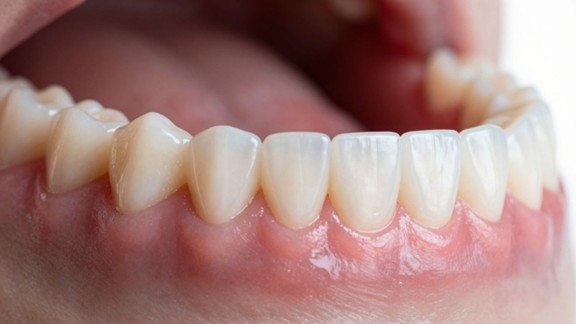
Gum disease, specifically periodontitis, is a common issue many people face. It affects the tissues and bone that hold your teeth in place. You might wonder if this condition can be reversed, especially if you're noticing early signs or dealing with more advanced problems. Let's explore what periodontitis is and what it means for your oral health.
Key Takeaways
- Periodontitis is reversible in its earliest stage (gingivitis) with professional cleanings and diligent home care.
- Once bone loss occurs, the disease is generally managed rather than fully reversed.
- Advanced periodontitis requires professional intervention to halt progression and prevent tooth loss.
What Is Periodontitis? A Patient-Friendly Breakdown
Periodontitis is a serious gum infection. It starts when plaque—a sticky film of bacteria—hardens into tartar. If this buildup isn't removed, the bacteria irritate the gums, leading to inflammation known as gingivitis. If left untreated, the infection spreads below the gum line, affecting the bone and connective tissue.
When periodontitis takes hold, it can lead to:
- Gums pulling away from the teeth (forming "pockets").
- Loose teeth due to weakened anchors.
- Persistent bad breath.
- Potential tooth loss.
Is Periodontitis Truly Reversible?
The answer depends heavily on the stage of the disease:
Gingivitis (Early Stage)
Yes, this is reversible. Since the infection has not yet reached the bone, professional cleanings and improved brushing and flossing can return the gums to a healthy state.
Periodontitis (Moderate to Advanced)
It is manageable, but not fully reversible. Once bone is lost, it typically does not grow back on its own. However, treatment can stop the infection and prevent further damage. It is similar to managing a chronic condition; consistent care is required to prevent flare-ups.
Stages of Periodontal Disease
Periodontal disease progresses through four main stages:
- Gingivitis: Red, swollen gums; no bone loss. (Reversible)
- Slight Periodontitis: Early bone loss begins; small pockets form. (Manageable)
- Moderate Periodontitis: Significant bone loss and potential tooth mobility. (Requires intensive treatment)
- Advanced Periodontitis: Severe bone loss; teeth are loose; high risk of tooth loss. (Requires surgical intervention)
How Periodontitis Is Treated
The primary goal of treatment is to control the infection and stop the destruction of bone. Common approaches include:
- Professional Cleanings: Essential for removing tartar that home brushing cannot reach.
- Scaling and Root Planing: A deep cleaning that removes bacteria from below the gum line and smooths the root surfaces to help gums reattach.
- Surgical Interventions: For advanced cases, pocket reduction surgery or bone grafts may be necessary to stabilize the teeth.
Why Early Action Matters
Addressing gum disease early offers significant benefits:
- Simpler Treatment: Gingivitis is much easier (and less expensive) to treat than advanced bone loss.
- Preventing Tooth Loss: Halting the disease early keeps your natural teeth firmly rooted.
- Protecting Overall Health: Gum disease inflammation is linked to other systemic issues like heart disease.
Frequently Asked Questions
Can gum disease be completely cured?
Early stages like gingivitis can be reversed. Advanced periodontitis cannot be "cured" in the sense of regrowing all lost bone, but it can be successfully managed and controlled.
What are the signs of periodontitis?
Look for red/swollen gums, bleeding during brushing, persistent bad breath, or the feeling that your teeth are becoming loose.
What is scaling and root planing?
It is a non-surgical deep cleaning used to remove plaque and tartar from deep pockets and smooth the tooth roots, making it harder for bacteria to accumulate.
Can dental implants help?
Yes, implants can replace teeth lost to gum disease, but the underlying periodontitis must be treated and controlled first to ensure the implant's success.
Blog Post Author

Contributed by DentalROI
DentalROI provides relevant dental content to help providers educate patients. The statements, services, and products referenced in this article have not been evaluated by the Food and Drug Administration, and they are not intended as a substitute for professional medical advice, diagnosis, or treatment. Always seek the advice of your dental provider with any questions or issues you may have. Specific recommendations may vary in different circumstances, so individual consultation is important.