
Protecting Your Smile: Emergency Extractions and Implant Options
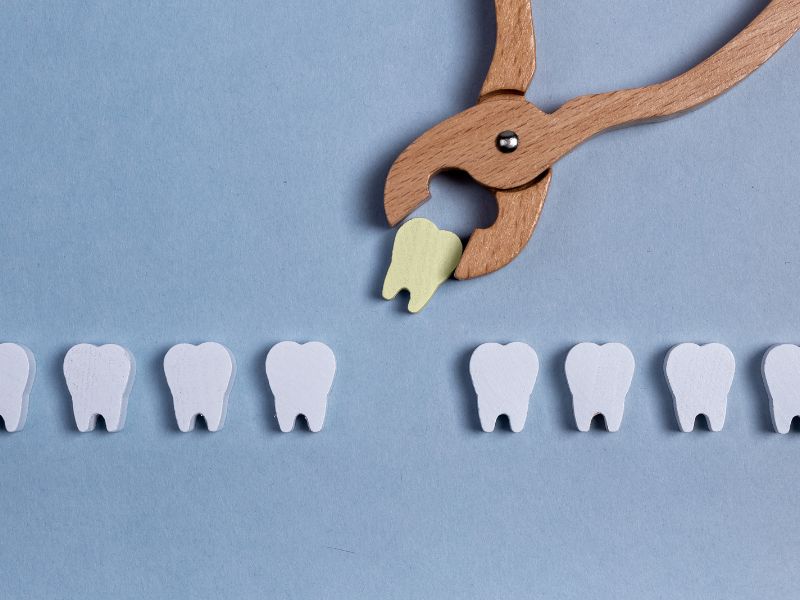
Protecting Your Smile: Emergency Extractions and Implant Options
It often begins with a surprise—a sharp crack, a swelling that didn’t seem urgent until it was, or pain that arrived overnight and refused to leave. Emergency extractions aren’t planned, and rarely are they welcome. Still, when a tooth becomes unsalvageable—whether from trauma, decay, or advanced infection—removal isn’t a failure. It’s a necessary step toward protecting the health of everything else around it.
But removing a tooth isn’t the end of the story. In fact, what follows is often just as important. A gap left unfilled isn’t merely cosmetic. The surrounding bone can begin to deteriorate, teeth may shift, and the jawline itself can subtly change over time. That’s where a dental implant comes in—not just as a replacement, but as a restoration of function, structure, and stability.
What Happens Beneath the Surface
Once a tooth is extracted, the body quickly begins a natural remodeling process. Without the pressure of a root to stimulate the bone, the jaw in that area begins to lose volume. It’s a quiet shift, but one with real consequences—especially for neighboring teeth, and for the bite as a whole.
This is one reason implant dentistry plays such a crucial role. By anchoring a biocompatible post into the bone—usually made from titanium—the body receives the same kind of signals it would from a natural root. The bone remains active and preserved. Over time, that post becomes a part of the jaw itself, and with it, the possibility of placing a custom-crafted crown that fits seamlessly into the smile.
Not Just Any Tooth Replacement
There are plenty of ways to replace a tooth. Bridges, for instance, can span a gap using neighboring teeth for support. Dentures remain an option, particularly when multiple teeth are involved. But implants stand apart for a simple reason: they restore more than the visible part of the tooth.
Implants help keep the shape of the face, keep normal chewing function, and lessen the stress on nearby teeth because they are built into the bone. Many patients also say that there is a psychological benefit: they feel like the replacement is really theirs, not just an appliance or a temporary fix.
The materials used today reflect decades of research. The visible crown is usually made of advanced ceramics like lithium disilicate or zirconia, which are strong and can look like real enamel. The end result is a restoration that works like a tooth and looks exactly like one.
- Bridges use neighboring teeth for support.
- Dentures are suitable for multiple missing teeth.
- Implants restore both function and structure by bonding with bone.
- Modern crowns made of zirconia or lithium disilicate look lifelike and durable.
Every Patient, Every Case, Every Variable
As ideal as implants may sound, they aren’t suitable for everyone in every moment. Factors like chronic medical conditions, smoking, or bone loss can affect timing, success rates, and even eligibility. Infected tissue or an area with severe inflammation may require healing or bone grafting before placement is even considered.
In some cases, an implant can be placed at the same appointment as the extraction. In others, it’s a longer path that begins with stabilization, healing, and careful planning. These decisions aren’t rushed. They’re made after digital scans, three-dimensional imaging, and a full evaluation of the patient's oral and systemic health.
What matters most isn’t speed, but precision.
Protecting the Investment
Patients often ask how long an implant will last. The answer depends on many things—most of which lie not in the material, but in the maintenance. Like natural teeth, implants require daily care. Plaque doesn’t disappear just because a tooth has been replaced. In fact, the tissues around an implant can become inflamed if cleaning isn’t thorough, leading to a condition known as peri-implantitis.
A soft toothbrush, non-abrasive toothpaste, and floss or interdental brushes are essential tools. So are professional cleanings, scheduled at intervals appropriate to each patient’s health history and risk factors. Implants don’t decay, but they can fail if neglected.
- Brush twice daily with a soft toothbrush.
- Use non-abrasive toothpaste and interdental brushes.
- Schedule regular professional cleanings and checkups.
- Watch for signs of inflammation or bleeding around the implant.
When cared for properly, though, they tend to become part of a person’s smile for decades.
A Return to Confidence
Losing a tooth—especially in an emergency—can feel disruptive and deeply personal. But what follows that moment doesn’t have to be. With thoughtful care and a tailored approach, today’s implant solutions make it possible to return not just to function, but to confidence.
There’s a great deal that modern dentistry can do, even in urgent circumstances. And when treatment is handled with skill, the result doesn’t feel like a repair—it feels like restoration.
To learn more or to speak with a provider, please call (407) 777-2071.
Blog Post Author

Contributed by DentalROI
DentalROI provides relevant dental content to help providers educate patients. The statements, services, and products referenced in this article have not been evaluated by the Food and Drug Administration, and they are not intended as a substitute for professional medical advice, diagnosis, or treatment. Always seek the advice of your dental provider with any questions or issues you may have. Specific recommendations may vary in different circumstances, so individual consultation is important.