
Invisalign Clear Aligners: The Easy Way to Straight Teeth
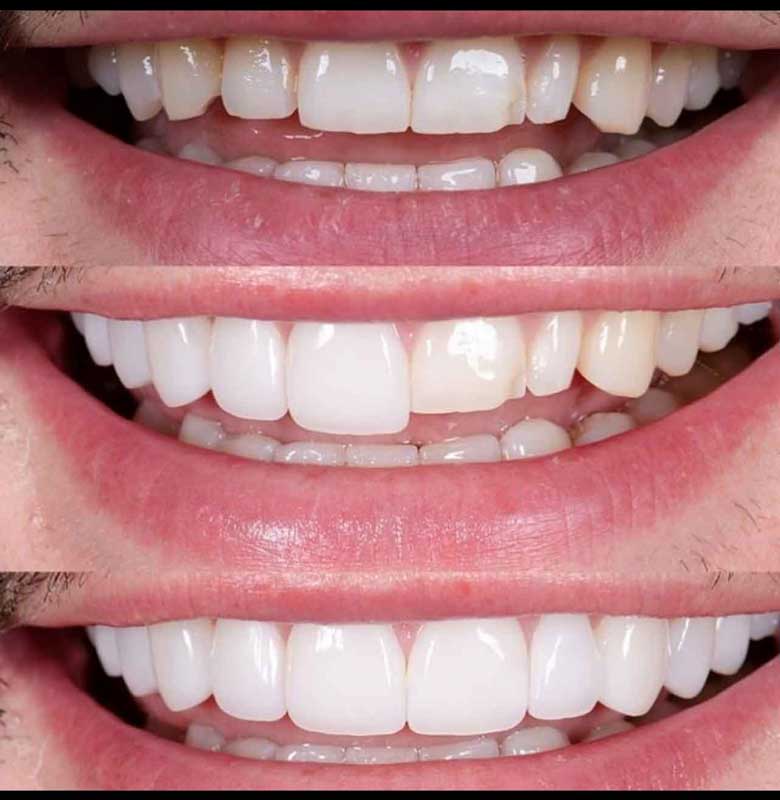
Modern dentistry views a straight smile as more than just cosmetic. Teeth that are crowded, rotated, or gapped tend to present more than aesthetic concerns—they may harbor plaque pockets, challenge effective cleaning, and impose uneven bite forces on enamel or supporting bone. When the occlusion (bite alignment) is imperfect, stresses can build, potentially contributing to premature wear or even temporomandibular joint discomfort. Fortunately, there is a refined alternative to traditional brace systems: clear aligner therapy via the Invisalign system. At practices committed to high‑end care, this method is delivered with sophistication and precision.
Why Mal‑alignment Happens—and Why It Matters
Tooth displacement arises for many reasons: genetic arch‑tooth size mismatches (jaw too small for the full dentition), early extractions of primary teeth, habitual forces (such as thumb‑sucking or tongue‑thrusting), or shifting over time after previous orthodontics. Adults often discover subtle relapse or changing bites as they age. Clinically, when teeth are misaligned, their surfaces become harder to clean—biofilm accumulates in recessed areas, increasing the risk of gingivitis and, in time, periodontitis. Additionally, misaligned contacts can alter load paths during chewing, increasing risk of enamel microfractures or chipping.
By treating alignment proactively, one is not merely “straightening for aesthetic sake” but also improving long‑term biomechanics, enhancing periodontal hygiene access, and reducing risks of wear and damage.
How Clear Aligner Therapy Works—Technically and Clinically
Invisalign uses a sequence of custom‑fabricated, transparent trays made from a biocompatible medical‑grade plastic. The patient begins with an initial intraoral digital scan (or very precise impressions), which enables the clinician to map the entire movement from the current tooth position to the planned finish in a digital model. The blog from Fine Dentistry details that the aligners are changed typically every one to two weeks and worn for approximately 20‑22 hours per day.
Each aligner applies gentle, continuous pressure to specific teeth, orchestrating incremental movement. Some systems incorporate attachments—small tooth‑colored shapes bonded to the enamel—to help guide more complex movements such as extrusion or rotation; other enhancements include increased aligner coverage around the gingival margin to improve retention and control.
Because the material is smooth and free of wires or brackets, the soft‑tissue irritation common in traditional braces is greatly reduced. Additionally, aligners are removable, which means the patient retains full access for brushing, flossing, and eating without major dietary restrictions.
Benefits Worth Knowing—and Some Thoughtful Caveats
One of the most appreciated benefits is aesthetic discretion: the aligners are nearly invisible when placed, and thus appeal especially to adults or image‑conscious young patients. Thanks to their removability, patients typically find eating and oral hygiene more convenient than with fixed appliances. The design also supports improved periodontal hygiene since there are no metal brackets that trap food or complicate flossing.
However, it is important to emphasise that clear aligners are not universally appropriate. The blog notes that while Invisalign is ideal for mild‑to‑moderate issues (spacing, crowding, certain bite problems), cases involving major skeletal discrepancies, very large rotations or extrusions, or requiring significant tooth movement might still be better managed with fixed braces or a combination of therapies.
Moreover, success depends heavily on patient adherence. The aligners must be worn for 20‑22 hours per day to stay on track. Inadequate wear time delays the timeline and can compromise precision of the outcome. Also, while upfront costs may be comparable or slightly higher than basic braces, the value often correlates with the provider’s experience and the number of refinement trays needed.
What Comes After Alignment—and How to Maintain the Results
The completion of active aligner therapy is not the end of the journey. Retention is critical to preserving the new tooth positions. Practices commonly employ clear removable retainers or fixed bonded retainers behind the teeth. Without retention, even well‑established movements may gradually relapse toward the initial mal‑alignment. The practice blog emphasises the importance of this stage.
Long‑term benefits of proper alignment include easier plaque control, more efficient chewing efficiency, fewer isolated load hotspots, reduced enamel chipping, and a stronger foundation for overall oral health. In other words, aligning the teeth is not simply cosmetic—it is structural, functional, and preventive.
For the patient, this means ongoing follow‑up visits to monitor stability, periodic evaluation of retainers, maintenance of excellent hygiene, and avoidance of habits (e.g., bruxism) that could undermine retention.
Bringing It All Together
Clear aligner therapy with Invisalign offers a refined, technologically advanced path to straighter teeth—combining aesthetic subtlety with proven orthodontic mechanics. For suitable cases, and under the guidance of an experienced dental team, this approach affords fewer compromises, less interference with everyday life, and an outcome grounded in both form and function. At the same time, it remains essential to have a professional evaluation of candidacy, to commit to the wear regimen, and to follow through with retention.
If alignment of your smile matters not only for appearance but for healthier function, now is the moment to explore whether this method suits your dental profile. Please call (407) 777‑2071 to arrange a specialised consultation. We are ready to help you begin this transformation.
Blog Post Author

Contributed by DentalROI
DentalROI provides relevant dental content to help providers educate patients. The statements, services, and products referenced in this article have not been evaluated by the Food and Drug Administration, and they are not intended as a substitute for professional medical advice, diagnosis, or treatment. Always seek the advice of your dental provider with any questions or issues you may have. Specific recommendations may vary in different circumstances, so individual consultation is important.