
What Are the Main Stages of a Dental Implant Procedure
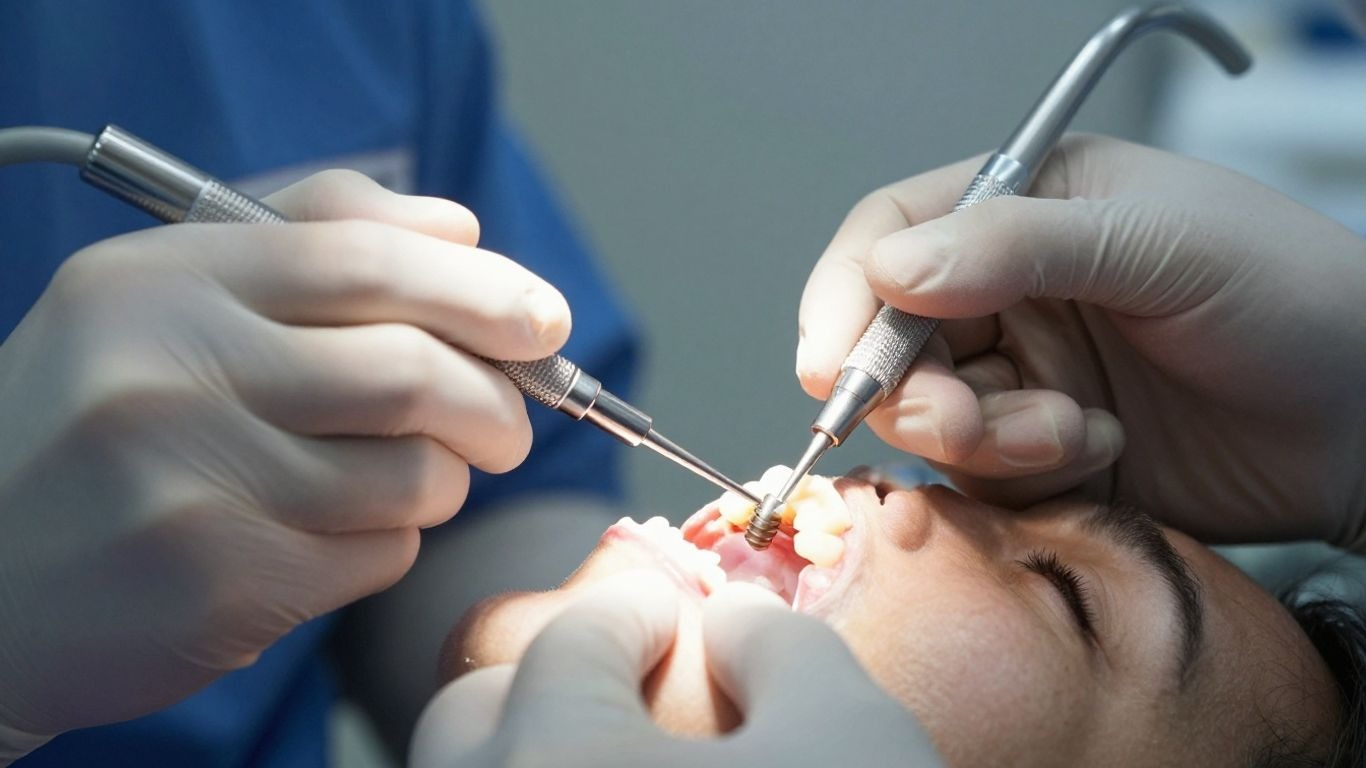
Thinking about getting a dental implant? It's a pretty common procedure these days, and for good reason – they really do a great job of replacing missing teeth. But what actually goes into it? Let's break down the dental implant procedure steps so you know what to expect.
Dental Implant Procedure Steps Explained
Getting a dental implant isn't usually a one-and-done deal. It's more of a process, and it generally breaks down into a few key stages. Each stage has its own purpose and timeline, all working together to give you a stable, natural-looking replacement tooth.
Here’s a look at the main phases:
- Consultation and Planning: Before anything happens in your mouth, there's a lot of prep work. Your dentist will do a thorough check-up, take X-rays (sometimes 3D ones!), and talk about your health history. This is where they figure out if implants are right for you and if you need any other work done first, like a bone graft or tooth extraction. They'll also discuss the type of implant and give you an idea of costs.
- Implant Placement Surgery: This is the actual surgery where the titanium post, the implant itself, is placed into your jawbone. It's usually done with local anesthesia, so you won't feel pain during the procedure. The dentist makes a small cut in your gum, prepares the bone, and then inserts the implant. It's a precise process, and often takes less than an hour per implant.
- Healing and Osseointegration: After the surgery, your mouth needs time to heal. This is a super important phase where your jawbone actually fuses with the titanium implant. This process is called osseointegration, and it’s what makes the implant feel like a natural tooth root. It can take a few months.
- Abutment Placement (Sometimes): In some cases, after the implant has integrated with the bone, a small connector piece called an abutment is attached to the implant. This piece will hold your new tooth.
- Final Restoration Placement: Once everything is healed and the abutment is in place, it's time for the final step: attaching your new tooth! This could be a crown, a bridge, or even a denture, depending on how many teeth you're replacing. Your dentist will make sure it fits perfectly and looks great.
It's important to remember that everyone's mouth is different. The exact number of steps and how long each takes can vary quite a bit from person to person. Your dentist will create a plan just for you.
So, while it might seem like a lot, each step is designed to make sure your new implant is strong, stable, and looks just like your natural teeth.
How Long Does the Dental Implant Process Take?
So, you're curious about how long this whole dental implant thing takes, right? It's a fair question! The truth is, there's no single answer because it really depends on your specific situation. But generally speaking, you're looking at a process that spans several months, from the initial consultation to the final crown placement. It's not a quick fix, but the results are usually worth the wait.
What to Expect During the Dental Implant Process
When you're thinking about what to expect during the dental implant process, picture it in a few key phases. It's not just one appointment and you're done. Here’s a general rundown:
- Initial Consultation and Planning: This is where we figure out if implants are right for you. We'll chat about your health history, take X-rays (sometimes 3D ones!), and get impressions of your mouth. This step is all about creating your personalized plan.
- Implant Placement Surgery: This is the actual surgery where the titanium post is placed into your jawbone. It usually takes about an hour or so per implant. You'll likely feel some soreness and swelling for a few days afterward, but it's manageable with pain relievers and ice packs.
- Healing and Osseointegration: This is the big one – the time when your jawbone actually fuses with the implant. This process, called osseointegration, is super important for the implant's stability. It typically takes anywhere from 3 to 6 months, sometimes a bit longer. During this time, you might wear a temporary tooth so you don't have a gap.
- Abutment Placement (if needed): Once the implant is fused, a small connector piece called an abutment is attached. This part sticks out of the gum and will hold your new tooth.
- Final Restoration Placement: Finally, the custom-made crown, bridge, or denture is attached to the abutment. This is the part where you get to see and use your new, fully functional tooth!
Remember, each step is designed to make sure your new tooth is strong, stable, and looks natural. Rushing any part of the process could lead to problems down the line, so patience is key.
It's a journey, for sure, but the end result is a smile that can last a lifetime. If you're wondering how long does the dental implant process take for you, the best thing to do is schedule a chat with your dentist. They can give you a much clearer timeline based on your unique needs.
Dental Implant Healing Stages Timeline
So, you've had your dental implant placed, and now what? It's all about healing and letting your body do its thing. This part of the process is super important for making sure your new implant is stable and lasts for years. Think of it as giving your jawbone time to get cozy with the new hardware.
Initial healing after implant surgery
Right after the surgery, you'll likely feel a bit sore and maybe have some swelling. This is totally normal. Your dentist will give you specific instructions, but generally, you'll want to stick to soft foods for a bit – think smoothies, yogurt, and mashed potatoes. Avoid anything too hot, hard, or chewy that could put stress on the implant site. Keeping the area clean is also key, but be gentle! Rinsing with salt water a few times a day usually does the trick. Most of the initial discomfort should fade within a few days to a week.
Osseointegration and bone fusion explained
This is where the real magic happens, and it takes time. Osseointegration is the process where your jawbone actually grows onto and fuses with the titanium implant. It's like the bone is building a strong foundation around the implant, making it a permanent part of your mouth. This fusion is what gives the implant its stability, allowing it to function just like a natural tooth root.
This stage can take anywhere from 3 to 6 months, sometimes even longer, depending on your individual healing. Factors like your overall health, bone density, and whether you smoke can affect how quickly this happens. Your dentist will monitor your progress, and you'll likely have follow-up appointments to check on the healing. It's a waiting game, but a really important one for the long-term success of your implant.
Patience is a virtue during the osseointegration phase. Rushing this process or not following your dentist's aftercare instructions can lead to complications and might even require the implant to be redone.
Here's a general idea of what to expect during the healing timeline:
- First Week: Focus on managing pain and swelling, keeping the site clean, and sticking to a soft diet. You should see a noticeable decrease in discomfort.
- First Few Months (1-4): This is the core of osseointegration. You'll likely be able to eat normally, but still need to be mindful of the implant site. The bone is actively fusing with the implant.
- After 4-6 Months: If everything is healing well, your dentist will likely confirm that osseointegration is complete. This means the implant is stable enough for the next step – attaching the abutment and the final crown.
How to Prepare for Each Stage of Your Dental Implant
Getting dental implants is a journey, and like any good trip, a little preparation goes a long way. Thinking ahead can make the whole process smoother, from that first chat with your dentist to the moment you get your shiny new tooth.
Tips for a Smooth Dental Implant Recovery
Recovery is a big part of getting implants, and how well you bounce back really depends on what you do beforehand and right after the procedure. Here are some pointers to help you heal up nicely:
- Stock up on soft foods: Think smoothies, yogurt, mashed potatoes, soups, and scrambled eggs. You'll want these ready to go for the first few days after surgery when chewing anything firm is a no-go.
- Get your pain relief sorted: Your dentist will likely prescribe something, but it's good to have over-the-counter options like ibuprofen or acetaminophen on hand too, just in case.
- Arrange for help: If you're having sedation, you won't be able to drive yourself home or be alone for a bit. Having a friend or family member around to help out for the first day or two is a smart move.
- Quit smoking: This is a big one. Smoking can seriously mess with healing and increase the risk of complications. If you smoke, try to cut back or quit entirely before and after your surgery.
- Keep your mouth clean: Your dentist will give you specific instructions, but generally, you'll want to avoid rinsing vigorously or using straws right after surgery. Gentle salt water rinses might be recommended later on.
Taking care of yourself before and after the surgery isn't just about comfort; it's about giving your body the best chance to heal properly and for the implant to integrate successfully. Listen to your dentist's advice – they know what's best for your specific situation.
Being prepared means you can focus on healing and looking forward to your new smile.
So, What's the Takeaway?
Alright, so getting dental implants might seem like a bit of a journey with all those steps – from the initial surgery to waiting for things to heal, and then finally getting that new tooth or teeth in place. It's not exactly a quick fix, and it definitely takes some patience. But honestly, for a lot of people, the end result is totally worth it. Having a smile that looks and feels natural again can make a huge difference in how you feel every day. Just remember to chat with your dentist about what's best for you, follow their advice during healing, and keep up with those check-ups. It’s all about getting you back to smiling with confidence.
Frequently Asked Questions
What are the main steps involved in getting a dental implant?
Getting a dental implant usually involves three main steps. First, there's the surgery to place the titanium post into your jawbone. Then comes the healing period where your bone fuses with the implant. Finally, a replacement tooth, like a crown, is attached to the implant.
How long does the whole dental implant process usually take?
The entire process can take anywhere from about 3 to 9 months. Some people might finish faster, while others may need a bit more time, depending on how their body heals and if any extra procedures, like bone grafting, are needed.
What happens during the implant surgery?
During the surgery, your dentist will numb your mouth and make a small cut in your gum. They'll carefully drill a spot in your jawbone and place the titanium implant. Afterward, they'll close up the area. You might feel some soreness or swelling for a few days.
What is osseointegration?
Osseointegration is a fancy term for when your jawbone grows and attaches itself to the titanium implant. This is super important because it makes the implant strong and stable, just like a natural tooth root.
What should I do to help my implant heal properly?
To help your implant heal well, it's important to follow your dentist's instructions. This usually means eating soft foods, keeping the area clean with gentle rinses, avoiding smoking, and taking any prescribed pain medicine. Gentle care is key!
What happens after the implant is placed and healed?
Once your jawbone has fused with the implant, your dentist will attach an abutment, which is like a connector. Then, they'll place your final replacement tooth, such as a crown, bridge, or denture, on top of the abutment. It's like the finishing touch to your new smile!
Blog Post Author

Contributed by DentalROI
DentalROI provides relevant dental content to help providers educate patients. The statements, services, and products referenced in this article have not been evaluated by the Food and Drug Administration, and they are not intended as a substitute for professional medical advice, diagnosis, or treatment. Always seek the advice of your dental provider with any questions or issues you may have. Specific recommendations may vary in different circumstances, so individual consultation is important.