
What Causes Tooth Pain When Biting Down
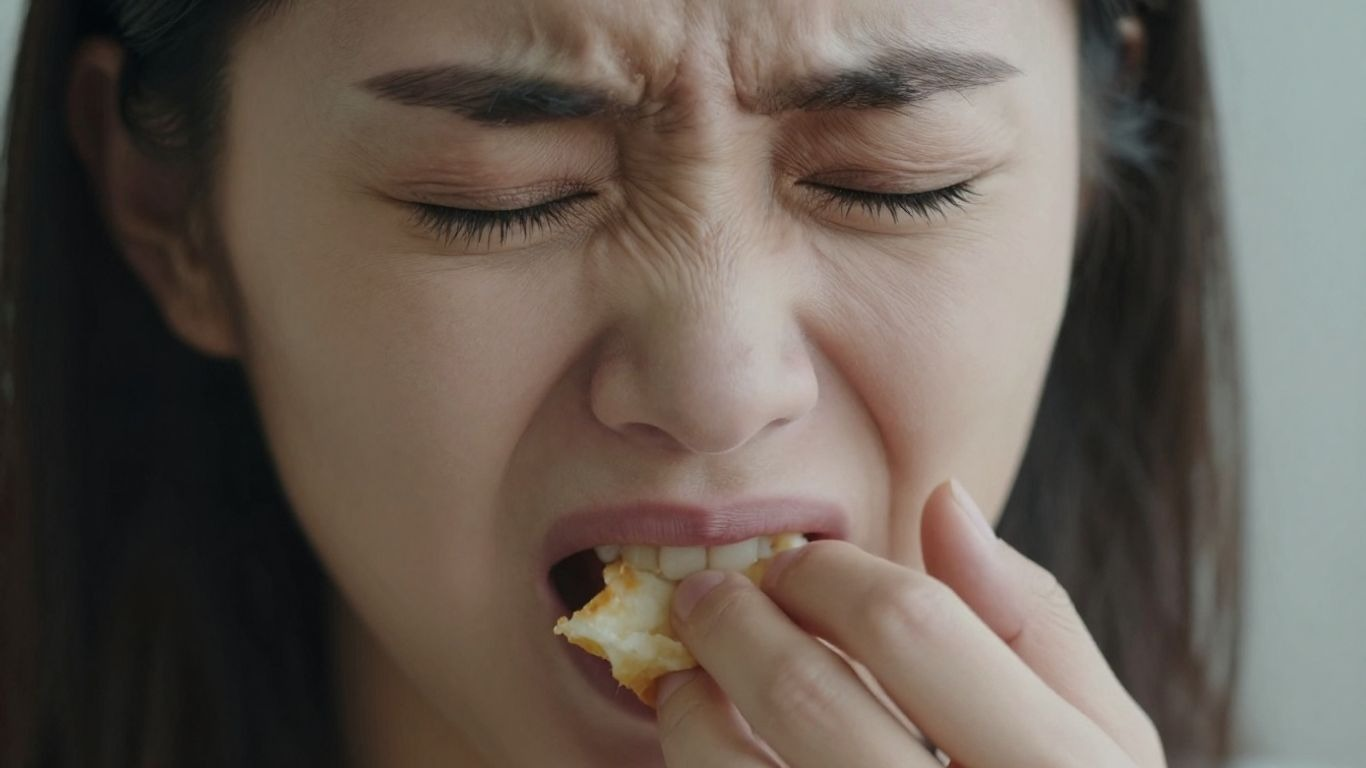
So, you bite into something, and BAM! Tooth pain. It’s a real bummer, especially when you’re just trying to enjoy a meal. You might be wondering, "Why is my tooth sensitive to pressure?" or "What are the common causes of sharp tooth pain when chewing?" It’s not always a cavity, though that’s a common thought. Our mouths are pretty complex, and sometimes pain pops up even when things look fine on the surface. Let's break down some of the usual suspects behind that tooth pain when biting down.
Why is my tooth sensitive to pressure?
That feeling of sensitivity when you bite down can be a real head-scratcher. It often means something is irritating the inner parts of your tooth or the surrounding structures. Think of it like a tiny alarm system going off when pressure is applied.
- Cracked Tooth Syndrome: This is a big one. A tiny crack, sometimes too small to see on an X-ray, can cause a lot of grief. When you bite down, the crack can open up just a bit, irritating the nerve inside. The pain is usually sharp and goes away when you release the bite.
- High Filling or Crown: If a filling or a crown sits just a little too high, it can throw off your bite. This means that one tooth takes more of a hit than it should every time you chew. It’s like wearing a shoe that’s too tight – it just doesn’t feel right and can cause pain.
- Bruxism (Teeth Grinding): If you grind or clench your teeth, especially at night, it puts a lot of stress on your teeth. This constant pressure can lead to general sensitivity and pain when biting down.
- Dental Abscess: This is a more serious issue. An abscess is an infection at the root of a tooth. The swelling and pressure from the infection can make the tooth incredibly tender to touch or bite on.
Common causes of sharp tooth pain when chewing
Sharp pain when chewing often points to something specific happening right at the moment of impact. It’s usually a more immediate sensation than general sensitivity.
- Cracked or Fractured Tooth: As mentioned, cracks are notorious for causing sharp pain. The sudden pressure of chewing can cause the fractured pieces to move slightly, leading to that sharp, shooting sensation.
- Deep Cavity: While not all cavities hurt, a deep one can get close to the tooth’s nerve (pulp). When you bite down, food or pressure can push into the decayed area, causing a sharp jolt of pain.
- Gum Disease (Periodontal Disease): When your gums are unhealthy and start to pull away from the teeth, the roots can become exposed. These roots aren't protected by enamel like the rest of your tooth, making them sensitive to pressure and temperature. This can translate to sharp pain when chewing.
- Trauma to the Tooth: Even a minor bump or biting down too hard on something unexpected (like a stray olive pit) can inflame the ligament that holds your tooth in place. This inflammation makes the tooth sore and sensitive to biting pressure.
It's easy to dismiss tooth pain, hoping it will just go away. But when that pain happens specifically when you bite down, it's your body's way of telling you that something needs attention. Ignoring it can often lead to bigger, more complicated problems down the road. Think of it as a warning signal that shouldn't be overlooked.
Here’s a quick look at some common culprits:
- Cracked Tooth: Tiny fractures can cause sharp pain upon biting.
- High Filling/Crown: Uneven bite pressure leads to discomfort.
- Bruxism: Grinding wears down teeth, causing sensitivity.
- Abscess: Infection at the root causes significant tenderness.
- Deep Cavity: Decay near the nerve triggers sharp pain.
When to See a Dentist About Tooth Pain When Biting
Okay, so your tooth is giving you grief every time you bite down. While a little twinge might not seem like a big deal, sometimes that pain is your mouth's way of shouting for help. Ignoring it could lead to bigger problems down the road, and nobody wants that. It's always better to get things checked out sooner rather than later.
Warning Signs You Shouldn't Ignore
Sometimes, tooth pain is just a temporary annoyance. But other times, it's a sign that something more serious is going on. Here are a few red flags that mean you should definitely book an appointment with your dentist:
- Pain that sticks around: If the ache doesn't go away after a day or two, or if it's getting worse, don't wait.
- Really sharp or intense pain: A sudden, shooting pain when you bite down is a big clue that something needs attention.
- Swelling: If you notice any puffiness around the sore tooth or even on your face, that's a sign of infection and needs to be checked out ASAP.
- Fever or feeling unwell: If your tooth pain comes with a fever, chills, or just a general feeling of being sick, it could mean an infection is spreading.
- Pus or a bad taste: If you see any pus around the tooth or notice a foul, salty taste in your mouth, this could indicate an abscess.
Sometimes, a toothache can feel like it's just a minor inconvenience. You might try to tough it out, thinking it'll just disappear on its own. But your body is pretty good at sending signals when something's wrong, and tooth pain is a pretty clear one. It's like a little alarm bell going off, telling you to pay attention before a small issue turns into a major dental emergency.
If you're experiencing any of these symptoms, don't delay. Getting a professional opinion can save you a lot of pain and trouble in the long run. Your dentist has the tools and knowledge to figure out exactly what's going on and how to fix it.
Tooth Hurts When Biting: Treatment Options Explained
So, your tooth is giving you grief every time you bite down. Bummer. But don't sweat it too much, because there are definitely ways to tackle this. The good news is, most of the time, there are pretty straightforward tooth hurts when biting treatment options available. It really just depends on what's causing the ouchies in the first place.
At-home remedies for tooth pain when biting down
While you absolutely need to see a dentist to figure out the root cause (pun intended!), there are a few things you can do at home to get some temporary relief. Think of these as your first aid kit while you wait for your appointment.
- Go easy on the food: Try to chew on the other side of your mouth. Stick to softer foods that don't require a lot of biting force. Soups, smoothies, yogurt, and mashed potatoes are your friends right now.
- Rinse with salt water: Mix about half a teaspoon of salt into a glass of warm water and swish it around. It can help clean the area and might reduce some swelling.
- Cold compress: If there's any swelling, holding a cold pack wrapped in a thin towel against your cheek for 15-20 minutes at a time can offer some comfort.
- Over-the-counter pain relievers: Stuff like ibuprofen or acetaminophen can help take the edge off the pain. Just be sure to follow the dosage instructions on the package.
Remember, these are just bandaids. They won't fix the underlying problem, but they can make the waiting game a little less miserable.
Professional dental treatments for tooth pain when biting
Once your dentist has a good look and figures out what's going on, they'll have a plan. The treatment really depends on the diagnosis. Here's a peek at what might be on the table:
- For a Cracked Tooth: If it's a small crack, your dentist might be able to smooth it down or use a filling. For bigger cracks, you might need a crown to protect the tooth. If the crack goes deep into the tooth, a root canal might be necessary.
- For Decay or Cavities: This usually means getting a filling. If the decay is deep and has reached the nerve, you'll likely need a root canal followed by a crown.
- For Gum Disease: Treatment often starts with a deep cleaning (scaling and root planing) to remove plaque and tartar below the gum line. In more severe cases, surgery might be needed.
- For a High Filling: Sometimes, a filling is just a tiny bit too high and throws off your bite. Your dentist can usually just shave it down a little to make it comfortable again. Easy fix!
- For an Abscess: This requires draining the infection and usually a root canal to clean out the infected pulp and seal the tooth.
It's all about getting the right fix for the right problem. Don't put off that dental visit – getting it checked out is the first and most important step to feeling better.
How to Prevent Future Tooth Pain When You Bite Down
So, you've dealt with that annoying tooth pain when biting down, and now you're wondering how to keep it from happening again. It's all about good habits and paying attention to what your mouth is telling you. Think of it like maintaining your car – a little regular upkeep goes a long way.
First off, brushing and flossing are your best friends. Seriously, don't skip these. Aim to brush at least twice a day and floss once. This gets rid of the gunk that can lead to cavities and gum problems, which are major pain culprits. Using a fluoride toothpaste is a good idea too, as it helps strengthen your teeth.
Watch what you're eating and drinking. Sugary stuff and acidic drinks are like a party for the bacteria that cause trouble. Try to cut back on those, or at least rinse your mouth with water afterward. And be careful with really hard foods – biting down on ice, hard candy, or even popcorn kernels can cause cracks or chips, even if you don't notice it right away.
If you're a teeth-grinder or clencher, especially at night, that's a big one. It puts a ton of stress on your teeth. You might need to talk to your dentist about getting a custom mouthguard. It's way better than letting your teeth take a beating every night.
Here are a few more things to keep in mind:
- Regular Dental Check-ups: Don't wait until something hurts. Seeing your dentist every six months (or as they recommend) is key. They can spot small issues, like a tiny crack or early gum problems, before they become big, painful messes.
- Proper Brushing Technique: Don't scrub too hard! Aggressive brushing can actually wear down your enamel and irritate your gums, leading to sensitivity.
- Avoid Using Your Teeth as Tools: Seriously, don't try to open packages or crack nuts with your teeth. They're for eating, not for prying or breaking things.
Paying attention to how you bite and chew can also help. If you notice you're favoring one side of your mouth or avoiding certain foods, it might be a sign that something's up. Don't just ignore it – get it checked out.
Basically, it comes down to consistent oral hygiene, smart food choices, and listening to your body. A little effort now can save you a lot of pain (and money) down the road.
So, What's the Takeaway?
Okay, so if your tooth is acting up when you bite down, it's definitely not just in your head. Turns out, there are a bunch of reasons this can happen, from a tiny crack you can't even see to issues with your gums or even sinus pressure. The main thing to remember is that tooth pain is your body's way of saying 'Hey, something's not right here!' Don't just ignore it and hope it goes away. The best move is always to get it checked out by your dentist. They've got the tools and the know-how to figure out exactly what's going on and get you feeling better. Plus, catching problems early usually means simpler, less painful fixes down the road. So, book that appointment and get some peace of mind! Contact Fine Dentistry Orlando today to identify the cause of your tooth pain and receive effective treatment for lasting relief.
Frequently Asked Questions
Why does my tooth hurt when I bite down, but there's no cavity?
It's confusing when your tooth hurts to bite but looks fine! Sometimes, a tiny crack in your tooth, too small to see on an X-ray, can cause pain when you bite. This can happen from grinding your teeth, biting something hard, or even from a small injury. Also, if a filling or crown is a little too high, it can put extra pressure on that tooth when you bite, leading to pain. Even inflammation around the tooth's roots from a minor bump can make it sensitive to pressure.
What's the difference between pain when biting and general tooth sensitivity?
General tooth sensitivity is often a quick twinge, usually when something hot, cold, or sweet touches the tooth. Pain when biting down, however, is specifically triggered by pressure. It's like the tooth is saying 'ouch!' only when you chew or clench your jaw. This pressure pain often points to issues like cracks, high fillings, or problems with the tooth's root or the surrounding gums.
Can grinding my teeth cause pain when biting?
Absolutely! Grinding your teeth, especially at night (a habit called bruxism), puts a lot of stress on them. Over time, this can wear down your teeth and make the nerves inside more sensitive. This sensitivity can then show up as pain when you bite down, even if there's no visible damage like a cavity.
What if my back tooth hurts when I bite down?
Back teeth handle most of the chewing force, making them prone to certain issues. Pain when biting on a back tooth could be due to irritation in the tooth's root, often caused by deep decay or injury. Problems with wisdom teeth, like them pushing against other teeth, can also cause this type of pain. Sometimes, sinus pressure from an infection can even feel like pain in your upper back teeth!
How can I tell if it's gum disease causing my tooth pain when biting?
Gum disease (periodontal disease) can make your teeth hurt when you bite because it affects the tissues holding your teeth in place. If your gums are red, swollen, bleed easily, or seem to be pulling away from your teeth (gum recession), it might be gum disease. This can expose the tooth roots, which are much more sensitive to pressure.
Is a dental abscess serious, and does it hurt when biting?
Yes, a dental abscess is a serious infection and can definitely cause pain when you bite down. It's like a pocket of pus that builds up around the root of your tooth. This swelling creates pressure, making it painful to bite or even touch the gum near the tooth. You might also notice a bad taste or a small pimple-like bump on your gums. An abscess needs immediate dental treatment, usually a root canal.
Blog Post Author

Contributed by DentalROI
DentalROI provides relevant dental content to help providers educate patients. The statements, services, and products referenced in this article have not been evaluated by the Food and Drug Administration, and they are not intended as a substitute for professional medical advice, diagnosis, or treatment. Always seek the advice of your dental provider with any questions or issues you may have. Specific recommendations may vary in different circumstances, so individual consultation is important.