
What Does A Dental Crown Look Like
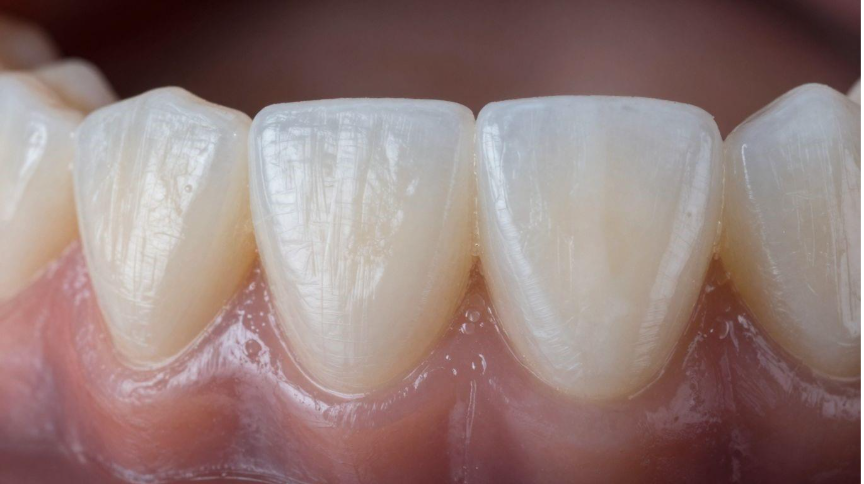
When a dentist suggests a crown, it's natural to wonder what it will look like. Will it blend in with your other teeth? Will people notice it when you smile? The good news is that modern dental crowns are made to look very much like natural teeth. They are shaped, colored, and shined to match your existing smile, often making them hard to tell apart from your real teeth. This guide will explore what dental crowns look like, how different materials affect their appearance, and what you can expect throughout the treatment process.
Key Takeaways
- A finished dental crown is designed to closely resemble a natural tooth in shape, color, and shine, making it difficult for others to distinguish from your original teeth.
- The appearance of a dental crown is influenced by the material used; porcelain and ceramic offer a very natural look, while metal options are more noticeable.
- Modern technology and careful shade matching ensure that dental crowns blend seamlessly with your existing smile, considering factors like tooth contour, surface texture, and gum line fit.
- Before a permanent crown is placed, a temporary crown is used, which typically looks less natural and is made from resin or acrylic.
- The process of getting a dental crown involves preparing the tooth, taking impressions, and then fitting the custom-made crown, all aimed at achieving both function and an aesthetically pleasing result.
What Is a Dental Crown and Why Appearance Matters
A dental crown is essentially a custom-made cap that fits over a tooth. Think of it like a protective helmet for your tooth, restoring its strength, shape, and overall look. People need crowns for a variety of reasons. Sometimes a tooth is too damaged from decay or an injury to be fixed with just a filling. Other times, a crown might be needed after a root canal to keep the tooth from breaking, or to hold a dental bridge in place. They can even be used to cover up teeth that are severely discolored or misshapen.
The appearance of a dental crown is a significant factor because it directly impacts your smile. While the primary goal is to restore the tooth's function, nobody wants a restoration that stands out like a sore thumb. Modern dental crowns are designed to blend in seamlessly with your natural teeth, so much so that most people won't even know you have one. This focus on aesthetics means that crowns can improve not just the health of your tooth, but also your confidence in your smile.
Here's a quick look at why appearance is so important:
- Restoring Confidence: A crown that matches your natural teeth helps you smile, laugh, and talk without feeling self-conscious.
- Natural Look: The goal is to make the crown look and feel like your original tooth, maintaining the harmony of your smile.
- Functionality: While appearance is key, the crown must also function correctly for chewing and speaking.
The materials and techniques used today allow dentists to create crowns that are both incredibly strong and remarkably natural-looking. This means you don't have to choose between a healthy tooth and a beautiful smile.
What a Dental Crown Looks Like When It’s Finished
When a dental crown is finally placed, the goal is for it to look and feel just like your natural tooth. Most people won't be able to tell the difference. The process involves custom crafting the crown to match the shape, size, and color of your existing teeth. This means that whether it's on a front tooth or a back molar, a well-made crown blends in so seamlessly, it's practically invisible.
Think about what a natural tooth looks like. It has a certain shape, a specific color that might not be perfectly uniform, and a subtle shine. A finished dental crown aims to replicate all of these characteristics. The material used plays a big role in this, but the dentist and lab technician work together to get the details just right. They consider how the light reflects off the surface, the exact shade, and even the fine textures that make natural enamel look so real. This attention to detail is what makes a crown look so natural.
Here’s what contributes to the final appearance:
- Shape and Contour: The crown is sculpted to match the natural curves and height of your original tooth. It's also shaped to fit perfectly with the teeth it touches when you bite, ensuring a comfortable and natural feel.
- Color Matching: A professional shade guide is used to select a color that precisely matches your surrounding teeth. This isn't just about picking one color; it's about capturing the subtle variations and translucency that make natural teeth look alive.
- Shine and Surface Texture: A good crown will have a smooth, glossy surface, much like natural tooth enamel. The aim is to replicate how light interacts with the tooth, avoiding a dull or artificial look.
- Fit Along the Gum Line: A precise fit where the crown meets your gums is vital. It should be snug and smooth, creating a natural transition and preventing any irritation or an unnatural appearance. When the fit is right, your gums will look healthy and sit neatly against the crown.
Essentially, a finished dental crown should look like your tooth, just healthier and stronger. It's designed to restore not only function but also the natural beauty of your smile. The question of "what does a tooth crown look like" is answered by its ability to disappear into your smile, looking and feeling completely natural. This applies whether you're looking at what a ceramic dental crown looks like or what a porcelain crown looks like – the goal is always natural integration. Even when considering what does a dental implant look like before the crown, the final crown is the key to the aesthetic outcome. The dental crown appearance before and after treatment is a significant transformation, aiming for a result that is indistinguishable from your own teeth.
How Different Crown Materials Affect Appearance
When you get a dental crown, the material it's made from really changes how it looks. Dentists pick materials based on where the crown will be and what's most important – strength or how natural it looks.
Here's a breakdown of common crown materials and what you can expect:
- Porcelain Crowns: These are often the go-to for front teeth because they look so much like real teeth. They have a nice translucency, meaning light can pass through them a bit, just like natural enamel. This makes them great for matching the color and shine of your other teeth. They can be shaped precisely to fit in perfectly.
- Zirconia Crowns: Zirconia is super strong, which is why it's good for back teeth that do a lot of chewing. While it's very white and durable, it can sometimes look a little less translucent than porcelain, giving it a slightly more opaque appearance. However, newer types of zirconia are getting better at mimicking natural tooth aesthetics.
- Porcelain-Fused-to-Metal (PFM) Crowns: These combine a metal base with a porcelain coating. The porcelain gives them a tooth-like color, but sometimes the metal underneath can show through, especially near the gum line, giving it a slightly grayish tint. They offer a good mix of strength and looks, but might not be as natural-looking as all-porcelain options.
- All-Metal Crowns: Made from gold alloys or other metals, these are incredibly strong and durable. However, their metallic color means they aren't usually used for teeth that show when you smile. They're typically reserved for back teeth where appearance isn't the main concern.
The goal is always to find a material that balances durability with a natural appearance for your specific needs. Your dentist will discuss these options with you to decide what works best for your smile.
What a Crown Looks Like at Each Stage of Treatment
Getting a dental crown involves a few steps, and what it looks like changes as the process moves forward. It’s helpful to know what to expect at each point.
The Initial Visit: Assessment and Preparation
At your first appointment, the dentist looks closely at the tooth that needs a crown. They might take X-rays to see what’s going on beneath the surface. This is also when they’ll talk about the best crown options for you. The tooth itself, at this stage, usually looks like it normally does, perhaps with some visible damage or decay.
Tooth Reshaping and Impressions
Next, the dentist prepares the tooth. They carefully shape it down, making it smaller so the crown can fit over it properly. This prepared tooth often looks like a small peg or stump. It might appear a bit yellow or discolored because the outer enamel has been removed. After shaping, the dentist takes a precise impression, either with a putty-like material or a digital scanner. This impression is what the dental lab uses to create your custom crown.
The Temporary Crown
While your permanent crown is being made in the lab (which usually takes a week or two), you’ll wear a temporary crown. These are typically made from acrylic or resin. They are pre-formed and adjusted to fit. A temporary crown looks like a tooth, but it’s often a bit bulkier and less detailed than the final one. It might not match your tooth color perfectly and can sometimes feel a little rougher. Its main job is to protect the prepared tooth and help you eat and speak normally.
Placing the Permanent Crown
When you return for your second appointment, the temporary crown is removed. The dentist then places the permanent crown. They’ll check how it fits, how it looks in terms of color and shape, and how your bite feels. The permanent crown, once cemented, should look and feel very much like your natural tooth, blending in with the rest of your smile.
How Modern Technology Improves Crown Appearance
It's pretty amazing how far dental crowns have come. Gone are the days when a crown might look obviously fake, like a little cap sitting on your tooth. Today, technology lets dentists create crowns that are incredibly lifelike.
Think about how natural teeth look. They have subtle variations in color and a certain way of reflecting light. Modern dental labs use advanced materials, like high-grade porcelain and zirconia, that mimic these qualities. These materials are chosen for their ability to match the translucency and shade of your natural enamel, making the crown blend in almost perfectly.
Digital scanning is another big game-changer. Instead of messy putty impressions, dentists can now use 3D scanners to get a super precise digital model of your mouth. This means the crown can be designed and fabricated with incredible accuracy, fitting snugly against your gum line without any awkward gaps or bulky edges. This precise fit is key to making the crown look natural and feel comfortable.
CAD/CAM (Computer-Aided Design/Computer-Aided Manufacturing) technology allows for the creation of crowns right in the dental office or at a specialized lab. This means the crown is milled from a solid block of material to match the exact specifications of your tooth. This level of detail ensures:
- Accurate Shape and Size: The crown perfectly replicates the contours of your original tooth.
- Precise Color Matching: Advanced shading techniques ensure the crown matches your surrounding teeth.
- Smooth Surface Texture: The finish mimics the natural shine and feel of tooth enamel.
Even the way the crown interacts with light is considered. Materials are selected and finished to reflect light naturally, avoiding that dull or overly shiny look that can give away a crown. The goal is for your crown to be virtually indistinguishable from your natural teeth, even when you smile up close.
Wrapping Up: Your Crown, Your Smile
So, what does a dental crown really look like? Think of it as a custom-made cap designed to perfectly match your natural tooth. Whether it's made of porcelain, zirconia, or another material, the goal is always the same: to blend in seamlessly with your smile. Modern crowns are crafted with such care that most people won't even notice the difference. They restore not just the look, but also the function of your tooth, helping you eat, speak, and smile with confidence. If you're considering a crown, remember that your dentist works to make it look and feel just like your own teeth, bringing your smile back to its best.
Frequently Asked Questions
What is a dental crown made of?
Dental crowns can be made from different things. Common materials include porcelain or ceramic, which look very natural, and zirconia, which is strong and also looks natural. Some crowns are made of metal, but these are usually for teeth that people don't see when they smile. Sometimes, a crown is a mix of metal and porcelain.
Can people tell if I have a dental crown?
Most of the time, no. Orlando Dentists work hard to make crowns look just like your real teeth. They match the color, shape, and even how they shine. If the crown is made of porcelain or zirconia, it's especially hard to tell the difference, even up close.
What does a temporary crown look like?
Temporary crowns are usually made from plastic or resin. They are made quickly to protect your tooth while your permanent crown is being created. They might not fit or look as perfect as the final crown, and they are only meant to be worn for a short time.
How does the material affect how a crown looks?
The material really changes how a crown looks. Porcelain and ceramic look very much like natural tooth enamel, with a nice shine and color. Zirconia is also white and can be matched to your teeth, though it might be a bit less see-through than porcelain. Metal crowns are strong but have a metallic color that stands out.
What happens to my tooth before a crown is put on?
Before a crown is placed, the dentist carefully shapes the tooth it will cover. They usually make the tooth smaller, like a peg, so the crown can fit snugly over it. This prepared tooth is then covered by the crown, which acts like a protective cap.
Can a dental crown change my smile?
Yes, a dental crown can definitely improve your smile. It can fix a tooth that is broken, chipped, or badly stained. By restoring the tooth's natural shape and color, a crown helps your whole smile look better and more even.
Blog Post Author

Contributed by DentalROI
DentalROI provides relevant dental content to help providers educate patients. The statements, services, and products referenced in this article have not been evaluated by the Food and Drug Administration, and they are not intended as a substitute for professional medical advice, diagnosis, or treatment. Always seek the advice of your dental provider with any questions or issues you may have. Specific recommendations may vary in different circumstances, so individual consultation is important.