
What is a Full Arch Dental Implant?
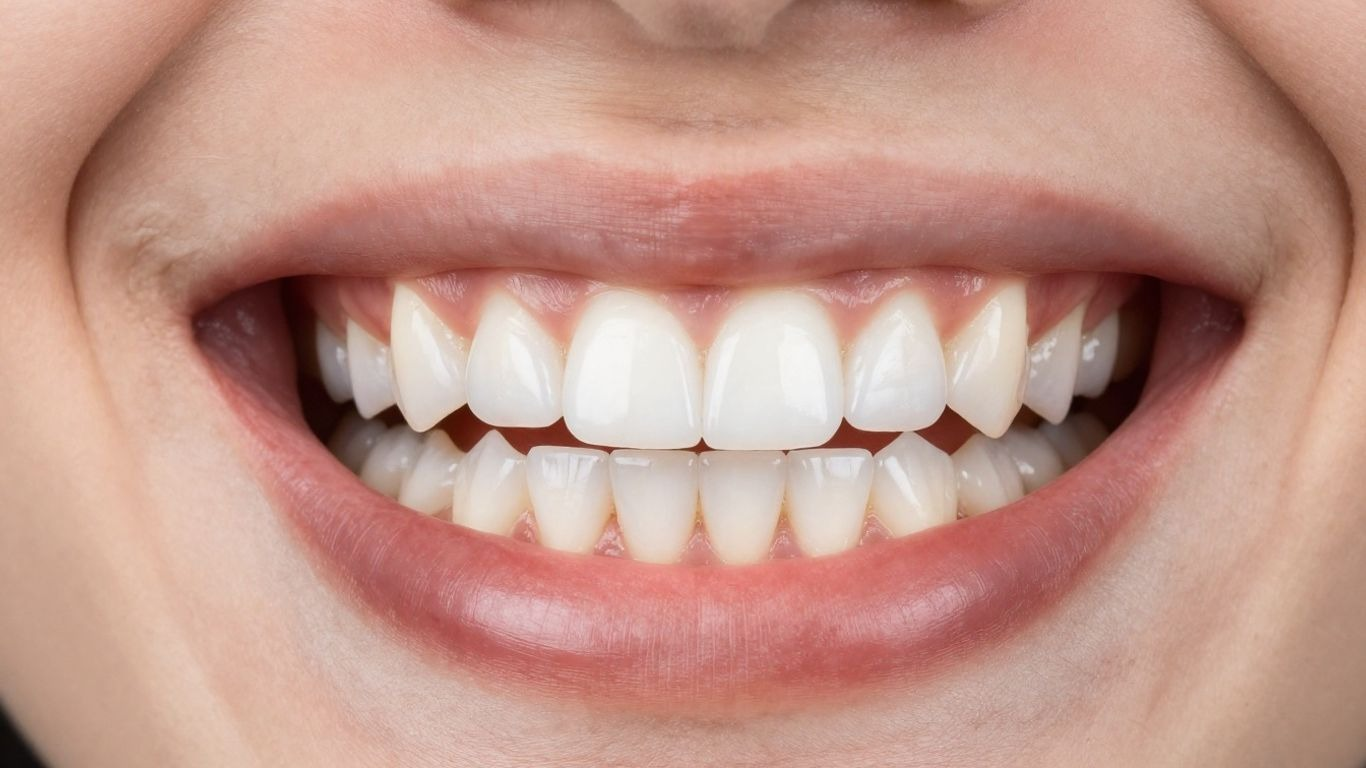
Losing teeth can be a real bummer, affecting how you eat, talk, and even how you feel about your smile. When you're looking at replacing a whole row of teeth, whether it's your top set or bottom set, a full arch dental implant is a pretty big deal. It's a way to get a full set of new teeth that feel and work a lot like your natural ones. This approach uses a few implants as anchors to hold a complete set of replacement teeth, giving you back a functional and good-looking smile.
Important Things to Know
- A full arch dental implant replaces all teeth in the upper or lower jaw using a few strategically placed implants as anchors.
- These implants fuse with the jawbone, providing a stable foundation for a full set of prosthetic teeth, often called implant-supported dentures or All-on-4.
- Benefits include improved stability compared to traditional dentures, preservation of jawbone structure, and a more natural look and feel.
- The procedure typically involves placing 4-6 implants, which then support a fixed or removable denture.
- While the initial cost is higher than traditional dentures, full arch implants offer a long-term, durable solution for significant tooth loss.
What Is a Full Arch Dental Implant?
What is considered an arch in dental implants?
So, what exactly is an "arch" when we're talking about dental implants? Basically, it refers to the entire row of teeth in either your upper jaw or your lower jaw. Think of it as the whole set – all the teeth that make up one jawline. When someone talks about needing a full arch replacement, they mean they need to address all the teeth in that specific jaw, not just one or two.
What does a dental implant arch mean?
When we put "dental implant" and "arch" together, a dental implant arch means replacing all the teeth in an entire jaw using dental implants as anchors. Instead of getting an individual implant for every single missing tooth, a full arch dental implant uses a strategic number of implants – usually between four and six – to support a complete set of prosthetic teeth. This approach is a game-changer for folks who have lost most or all of their teeth in either their upper or lower jaw, or even both.
What are full arch dental implants?
Full arch dental implants, often called implant-supported dentures or sometimes referred to by brand names like All-on-4, are a way to replace a whole set of missing teeth in one jaw. Instead of having loose dentures or dealing with individual implants for every tooth, a few implants are surgically placed into your jawbone. These implants act like sturdy roots. Then, a full bridge or denture is attached to these implants, giving you a fixed or sometimes removable set of teeth that look and feel much more natural than traditional dentures.
How does a full arch implant differ from single implants?
Okay, so how is a full arch implant different from just getting a single implant? It's pretty straightforward. A single dental implant is designed to replace just one missing tooth. You get a titanium post put into your jawbone, and then a crown (the fake tooth part) is attached to it. It's like getting a brand-new, individual tooth. A full arch implant, on the other hand, is for when you're missing a lot of teeth, or all of them, in one jaw. Instead of multiple posts for multiple teeth, a few implants are used to support an entire row of prosthetic teeth. It's a more extensive solution for more extensive tooth loss.
Here's a quick rundown:
- Single Implant: Replaces one missing tooth.
- Full Arch Implant: Replaces all teeth in an upper or lower jaw.
- Number of Implants: Typically 1 for a single tooth; 4-6 for a full arch.
- Support Structure: A crown attaches to a single implant; a full denture or bridge attaches to multiple implants in a full arch.
The main idea behind full arch implants is to provide a stable, long-term solution for widespread tooth loss. They aim to restore not just your smile, but also your ability to eat, speak, and feel confident without the worry of loose or uncomfortable dentures. It's about getting a full set of teeth that feel and function like your own.
Think of it this way: single implants are like fixing one broken tile on your floor, while a full arch implant is like replacing the entire floor with a new, solid surface. Both are important repairs, but they address different scales of the problem.
Types of Full Arch Dental Implants
There isn’t just one way to restore a full arch of missing teeth. Dentists have a few main techniques, each with its own perks.
What are full arch dental implants?
Full arch dental implants are systems designed to replace all teeth in either your top or bottom jaw (sometimes both). Rather than use an implant for each missing tooth, these methods use a small number of sturdy implants to anchor a full row of prosthetic teeth.
These are the two most common types:
- Implant Supported Dentures:
- A removable or fixed denture is attached to several strategically placed dental implants.
- Usually, 4 to 6 implants are enough to anchor an entire arch.
- Some types can be snapped on and off by the patient for cleaning (removable), while others are permanently fixed.
- All-on-4 Implants:
- Uses exactly four implants per arch, placed at specific angles to provide more stability, even for those with some bone loss.
- The denture is fixed in place—you can't remove it, only your dentist can.
- Especially helpful for people with bone loss, since fewer implants are required.
Type
Number of Implants
Removable by Patient
Fixed by Dentist Only
Best For
Implant Supported Dentures
4-6
Yes (for some types)
Sometimes
Versatile, budget-friendly
All-on-4 Implants
4
No
Yes
Low bone volume, stability
For anyone missing all their upper or lower teeth, full arch dental implants give a way to restore a real-looking smile with a much smaller number of implants—and way less hassle—than replacing every tooth one at a time.
How does a full arch implant differ from single implants?
If you lose one tooth, a single implant topped with a crown is enough. But losing most (or all) teeth in a jaw? Doing each implant separately gets expensive, takes longer, and is tough on your jawbone.
Here's how full arch systems stand out:
- Fewer implants required: A row of teeth is anchored with just a few implants.
- Less jawbone is needed: Strategic placement means even those with bone loss can often still get implants, sometimes skipping bone grafting.
- Shorter process: The whole row of teeth is attached faster, so you get chewing power back sooner.
- Lower overall cost: Because instead of doing 8 to 10 separate implants, you’re just doing 4 to 6.
If you’re after a single missing tooth fix, single implants are the answer. But if you’re missing an entire bite, full arch implants put you on the fast track to a full smile.
Who Is a Good Candidate for Full Arch Dental Implants?
Full arch dental implants are a solid option for people who have lost most or all of their teeth on the upper or lower jaw. But not everyone fits this bill perfectly. A good candidate usually needs healthy gums and enough jawbone to support the implants. If your bones aren’t strong enough at first, your dentist might talk about bone grafting.
Other things dentists consider when figuring out if full arch implants might work for you:
- Your overall health—certain health conditions like uncontrolled diabetes or issues with healing could complicate things
- Non-smokers, or those willing to quit, typically have better results
- People who struggle with loose or uncomfortable dentures and want something that feels more permanent
- Commitment to good oral hygiene and regular dental checkups
Full arch dental implants can really turn things around for people frustrated with slipping dentures or constant dental visits for failing teeth. They aren’t a one-size-fits-all solution, but for the right person, they’re life-changing.
So, if you’re missing all or most of your teeth, and you want a steady, lasting set of new teeth, there’s a good chance these implants could work for you. The best way to know for sure? Get a consult, get your questions out, and let your dentist walk you through it.
Benefits of Full Arch Dental Implants
Full arch dental implants aren't just about filling in the gaps; they actually bring a lot of practical benefits for anyone considering this type of tooth replacement.
The biggest perk is stability—full arch dental implants stay where they belong, unlike traditional dentures that can slip or rock while you're chewing or talking. But that's just the start. Here are some more real advantages:
- Long-term comfort: Unlike dentures that can rub against your gums and feel uncomfortable, full arch implants are anchored right into the jawbone. No pinching, less sore spots.
- Help maintain your jawbone: Implants stimulate your bone just like natural tooth roots, which helps prevent bone loss and the sunken look that often happens with missing teeth or regular dentures.
- Easy maintenance: You clean your implant-supported teeth almost like regular teeth—no need to remove them for cleaning or mess around with glue.
- Improved chewing strength: Eat your favorite foods again, even the tough stuff. Chewing with implant-supported teeth feels a lot closer to having your original teeth.
- Speech clarity: Since full arch dental implants don’t slip around, talking feels more natural. No more worrying about dentures shifting when you’re chatting or laughing.
People are often surprised at how much full arch dental implants feel like real teeth. It's not just about appearance, it's the everyday comfort, confidence, and the freedom to eat what you want that makes a big difference in quality of life.
There’s a reason folks who get them rarely look back.
Full Arch Dental Implants vs. Dentures: Which Is Better?
Okay, so you're wondering if full arch implants are the way to go compared to good old dentures. It's a big decision, and honestly, there's no single 'better' for everyone. It really depends on what you need and what you're looking for.
Think about it this way: traditional dentures, you know, the ones that kinda suction or use sticky stuff? They can be a pain. They might slip when you're trying to eat an apple, or worse, when you're laughing with friends. Plus, they don't really help your jawbone. Over time, that bone can shrink, and it can make your face look a bit… different. Not always the look people are going for.
Full arch implants, on the other hand, are like a super-stable upgrade. They use a few implants screwed into your jawbone as anchors. This means your new teeth are really, really secure. No slipping, no goo needed. And here's a cool part: those implants actually help keep your jawbone healthy. It's like they trick your body into thinking there are still teeth there, so the bone doesn't disappear.
Here's a quick rundown of how they stack up:
- Stability: Implants are way more stable. Dentures can move; implants don't.
- Bone Health: Implants help preserve your jawbone. Dentures don't.
- Comfort: Because they don't move and don't rub as much, implants are often more comfortable.
- Longevity: Implants, if cared for, can last a lifetime. Dentures might need replacing or relining over time.
The main thing to remember is that while dentures can look good and help you chew, they're essentially a surface-level fix. Implants go deeper, working with your body to provide a more natural and lasting solution.
Now, the big elephant in the room is usually cost. Full arch implants are definitely a bigger investment upfront than traditional dentures. But when you think about how long they can last and the benefits to your bone health and overall comfort, a lot of people find they're worth the splurge in the long run. It's like buying a really good pair of shoes versus a cheap pair – the good ones cost more initially, but they feel better and last way longer.
How Much Do Full Arch Dental Implants Cost?
The price of full arch dental implants depends on where you live, the type of implants you choose, the materials used, and whether you need extra procedures like bone grafting. On average, you can expect these to cost more upfront than standard dentures, but they tend to be a solid, long-lasting solution. Sometimes, it's sticker shock until you compare it with years of new dentures and repairs.
Several factors can mess with these numbers:
- How many implants you need (usually 4-6 per arch)
- If you’re getting your upper, lower, or both arches treated
- The need for bone grafts or extractions beforehand
- The dentist’s experience and where their office is
- Lab and material fees
Most folks are surprised at first, but after dealing with loose dentures and repeat dental visits, many feel these implants are well worth it for the peace of mind.
Keep in mind, some dental offices offer payment plans, and a handful of dental insurances might chip in something. Always check before you book.
What to Expect During the Full Arch Implant Procedure
Getting a full arch dental implant might sound like a big deal, and honestly, it is. But it's a process designed to give you back a full, functional smile. Think of it as a multi-step journey, not just a quick fix.
First off, you'll have a consultation. This is where the dentist really gets to know your mouth. They'll do a thorough exam, probably take some X-rays, and maybe even a 3D scan. This helps them figure out exactly what's going on with your jawbone and where the implants will go. This planning stage is super important for making sure everything goes smoothly later on.
Then comes the surgery itself. Don't worry, you won't feel a thing because you'll be sedated or under anesthesia. The dentist will place a few titanium posts, usually between four and six, directly into your jawbone. These posts are the anchors for your new teeth. It sounds intense, but it's a pretty standard procedure for implant dentists.
After the implants are in, there's a healing period. This is where the magic of osseointegration happens – your jawbone fuses with the titanium posts. This can take a few months. During this time, you might wear a temporary set of teeth so you're not without them.
Once everything has healed and the implants are solid, it's time for the final step: attaching your new full arch of teeth. These are custom-made to look and feel like your natural teeth. They'll either snap onto the implants (if they're removable) or be permanently fixed in place.
Here's a quick rundown of the typical stages:
- Initial Consultation & Planning: Getting a clear picture of your oral health and treatment plan.
- Implant Placement Surgery: The surgical placement of the titanium posts.
- Healing Period: Allowing the jawbone to integrate with the implants.
- Prosthesis Fitting: Attaching your new custom-made teeth.
It's normal to feel a bit anxious about the surgery, but remember that dentists performing these procedures do them all the time. They're focused on making it as comfortable and successful as possible for you.
Recovery and Aftercare Tips for Full Arch Implants
So, you've got your new full arch implants – awesome! Now comes the part where you gotta take care of them so they last you a good long while. It's not super complicated, but you do need to pay attention.
First off, right after the surgery, expect a little swelling and maybe some discomfort. Your dentist will probably give you some pain meds, so take those as directed. You'll also want to stick to soft foods for a bit. Think smoothies, yogurt, mashed potatoes – stuff that doesn't require a lot of chewing. This gives your mouth a chance to heal without putting too much stress on those new implants.
Here’s a quick rundown of what to do (and not do) in the early days:
- Gentle Cleaning: You'll get specific instructions on how to clean your implants and the prosthetic teeth. Usually, it involves a special brush and careful technique. Don't scrub too hard!
- Avoid Hot Foods/Drinks: Stick to lukewarm or cool for a while. Anything too hot can irritate the surgical sites.
- No Smoking: Seriously, if you smoke, try to quit or at least take a break. Smoking really messes with healing.
- Follow-Up Appointments: Don't skip these! Your dentist needs to check on your progress and make sure everything is healing up nicely.
Once things start to feel more normal, you can gradually reintroduce more solid foods. But even then, it's a good idea to be mindful. Treat your full arch implants like you would your natural teeth – because they're meant to function that way! That means regular brushing and flossing (yes, you still floss!) and seeing your dentist for check-ups every six months.
Think of it like this: you invested in a fantastic solution for your smile, and a little bit of consistent care goes a long, long way in keeping that investment looking and feeling great for years to come. It’s really about building good habits now so you can enjoy the benefits later without any hitches.
Wrapping It Up
So, that's the lowdown on full arch dental implants. It's a pretty big step, for sure, especially if you're looking at replacing a whole set of teeth. But honestly, the idea of having a stable, good-looking smile again without worrying about dentures slipping? That's a pretty compelling reason to look into it. It's not just about having teeth; it's about getting back to eating what you want, talking without hesitation, and just feeling more like yourself. If you're dealing with significant tooth loss, it's definitely worth a chat with your dentist to see if this could be the right fix for you. They can walk you through all the details and figure out the best path forward.
Frequently Asked Questions
What exactly is a full arch dental implant?
A full arch dental implant is a way to replace all of the teeth in your upper or lower jaw. Instead of getting one implant for each missing tooth, a few implants (usually 4 to 6) are placed in your jawbone. These implants act like anchors to hold a complete set of new teeth, also known as a denture or prosthesis.
How is a full arch implant different from regular dentures?
Regular dentures can sometimes slip or feel loose, especially when you're eating or talking. Full arch implants are much more stable because they are attached to implants that are surgically placed in your jawbone. This means they won't move around, and you won't need sticky denture pastes to keep them in place.
Can dental implants help my jawbone?
Yes, they can! When you lose teeth, your jawbone can start to shrink over time. Dental implants are made of titanium, which fuses with your jawbone. This process helps to keep your jawbone strong and healthy, preventing it from breaking down, which can also help your face keep its natural shape.
What is the 'All-on-4' treatment?
All-on-4 is a specific type of full arch dental implant procedure. It uses exactly four implants strategically placed in the jaw to support a full set of new teeth. This method is often chosen because it can sometimes be completed in a single day and may be suitable even for those who have experienced some bone loss.
How long do full arch dental implants last?
The titanium implants themselves, once they fuse with your jawbone, can last a lifetime. The prosthetic teeth attached to the implants, which are typically made of acrylic or zirconia, may need to be replaced or repaired over time, much like regular dentures might. However, the underlying implant support is designed for long-term durability.
What should I expect during the procedure?
The process usually starts with a thorough check-up and planning session with your dentist. Then, a surgeon will place the titanium implants into your jawbone. After a healing period where the implants fuse with your bone, your dentist will attach your new set of teeth. Sometimes, especially with the All-on-4 method, the new teeth can be fitted on the same day the implants are placed.
Blog Post Author

Contributed by DentalROI
DentalROI provides relevant dental content to help providers educate patients. The statements, services, and products referenced in this article have not been evaluated by the Food and Drug Administration, and they are not intended as a substitute for professional medical advice, diagnosis, or treatment. Always seek the advice of your dental provider with any questions or issues you may have. Specific recommendations may vary in different circumstances, so individual consultation is important.