
What Is the Connection Between Gum Disease and Heart Disease?
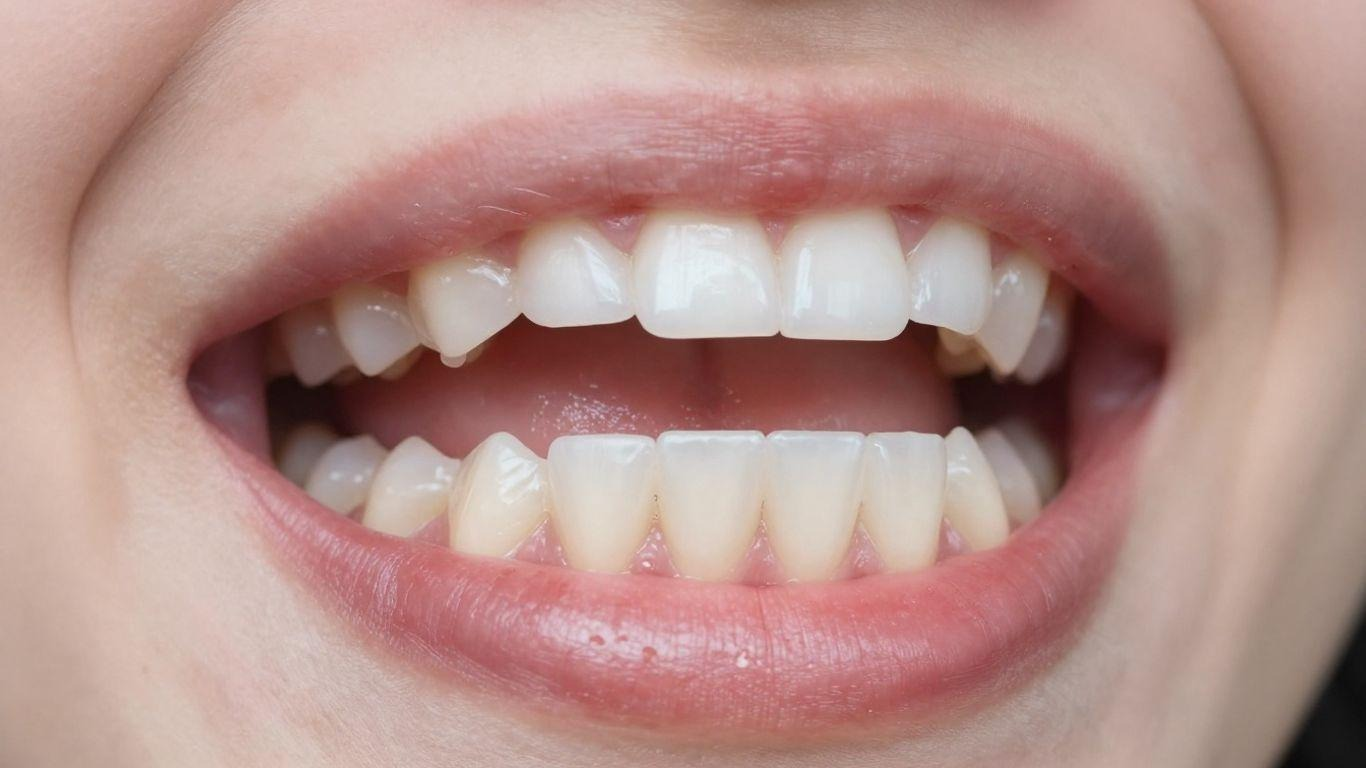
You might not think your mouth and your heart have much in common, but it turns out they're pretty closely linked. We're talking about the connection between gum disease and heart disease here, and it's a topic that's getting more attention from researchers. The gum disease and heart disease link explained is pretty straightforward: when your gums get inflamed and infected, it can actually affect your heart.
Gum Disease and Heart Disease Link Explained
So, how does this happen? Well, the bacteria that cause gum disease, also known as periodontal disease, don't just stay put in your mouth. They can actually get into your bloodstream. Once they're in there, they can travel to other parts of your body, including your heart. This can lead to inflammation in your blood vessels, a condition that's a big player in heart disease. It's not that gum disease directly causes heart disease, but it definitely seems to make you more vulnerable.
Oral Health and Cardiovascular Disease Connection
This oral health and cardiovascular disease connection is something scientists are still digging into. Think of it like this: your mouth is kind of the gateway to the rest of your body. If that gateway isn't clean and healthy, it can open the door for problems elsewhere. Poor oral hygiene can lead to a general increase in inflammation throughout your body, and chronic inflammation is a known risk factor for all sorts of health issues, including heart problems.
- Bacteria from infected gums can enter the bloodstream.
- This can cause inflammation in blood vessels.
- Inflammation is a major contributor to heart disease.
It's important to remember that while the link is strong, it's not a simple cause-and-effect situation. Other lifestyle factors often play a role too.
Does Gum Disease Increase Heart Attack Risk?
This is the big question, right? Does gum disease increase heart attack risk? The research suggests yes, it can. Studies have shown that people with gum disease are more likely to have heart attacks and other cardiovascular events compared to those with healthy gums. It's thought that the inflammation and bacteria spreading from the mouth can contribute to the buildup of plaque in the arteries, which is a key factor in heart attacks and strokes. So, taking care of your gums isn't just about having a nice smile; it's a real part of looking after your heart health too.
How Periodontal Disease Affects Heart Health
So, how exactly does that gum issue you've been ignoring start messing with your ticker? It's not just some old wives' tale; there's real science behind the connection between how periodontal disease affects heart health. Basically, the same nasty bacteria that cause gum problems can sneak into your bloodstream.
Once those little troublemakers are in your blood, they can travel to your heart and blood vessels. Think of it like this: they can cause inflammation and damage to the lining of your arteries. This inflammation is a big deal because it can lead to plaque buildup, a condition called atherosclerosis. This is the same gunk that narrows your arteries and makes it harder for blood to flow, which is a major player in heart attacks and strokes.
Does Gum Disease Increase Heart Attack Risk?
It's a question many people have, and the short answer is: yes, it seems to. While it's not a simple cause-and-effect situation where gum disease directly causes a heart attack, studies show a pretty strong link. People with gum disease are more likely to have heart problems, including heart attacks, compared to those with healthy gums. It's thought that the chronic inflammation from gum disease contributes to the overall inflammation in your body, and that inflammation is a known risk factor for heart disease.
Here's a breakdown of what's happening:
- Bacteria Invasion: Germs from infected gums get into your bloodstream.
- Inflammation Spreads: These bacteria can cause inflammation in your blood vessels and arteries.
- Plaque Buildup: This inflammation can contribute to the formation of plaque, narrowing your arteries.
- Increased Risk: All of this can raise your chances of experiencing a heart attack or stroke.
It's important to remember that your mouth is a gateway to the rest of your body. What happens there doesn't just stay there. Keeping your gums healthy is a way to help keep your heart healthy too.
While the exact mechanisms are still being studied, the evidence points to a significant association. So, taking care of your gums isn't just about having a nice smile; it's a proactive step for your overall cardiovascular well-being.
Warning Signs Your Gum Health May Affect Your Heart
It's easy to think of your mouth as a separate entity, just for eating and talking. But what happens in your mouth can actually send ripples throughout your whole body, especially to your heart. If you're noticing some not-so-great things going on with your gums, it might be time to pay a little extra attention to your ticker too. Paying attention to your gums is like giving your heart a heads-up.
So, what should you be looking out for? It's not just about a little bleeding when you brush. We're talking about the signs that your gum health might be signaling bigger issues.
Who Is Most at Risk From the Gum-Heart Link?
While anyone can experience issues, some folks are definitely in the higher-risk category when it comes to the connection between gum disease and heart problems. It's like a double whammy situation.
- Folks with existing heart conditions: If you've already got a heart issue, gum disease can make things more complicated and potentially worse. Your heart is already working hard, and an infection in your mouth adds extra stress.
- Older adults: As we age, our bodies can become more susceptible to both gum disease and heart problems. Plus, sometimes access to regular dental care can be a challenge, which doesn't help.
- People with diabetes: This one is a biggie. Diabetes and gum disease have a two-way street relationship. Poorly controlled diabetes can make gum disease flare up, and gum disease can make it harder to manage blood sugar levels. This combo is tough on your cardiovascular system.
- Smokers: Smoking is bad for pretty much everything, and it significantly increases your risk for both severe gum disease and heart disease. It's a major risk factor that compounds other issues.
It's important to remember that the link isn't always a direct cause-and-effect. Think of it more like a warning system. When your gums are unhealthy, it often means there's inflammation happening, and that inflammation can spread or contribute to problems elsewhere, including your arteries and heart.
Here are some common signs that your gum health might be trying to tell you something important about your heart health:
- Persistent bad breath or a bad taste in your mouth: This isn't just about social awkwardness. A chronic foul odor or taste can be a sign of bacteria buildup, which is the root of gum disease and can contribute to inflammation elsewhere.
- Gums that are red, swollen, or feel tender: Healthy gums are usually pink and firm. If yours are constantly looking angry, puffy, or sore to the touch, it's a clear sign of inflammation.
- Bleeding gums: This is probably the most common sign people notice. If your gums bleed easily when you brush, floss, or even sometimes for no reason, it's a big red flag.
- Receding gums: Are your teeth starting to look longer than they used to? That's your gums pulling away, exposing more of the tooth and its root. This can be a sign of advanced gum disease.
- Loose teeth or changes in your bite: If your teeth feel like they're starting to shift or feel loose, it means the bone supporting them is being affected by gum disease. This is a serious sign that the infection is advanced.
- Pus between your teeth and gums: This is a pretty gross but very clear sign of infection. If you see little white or yellow spots, it means there's active infection going on.
How to Protect Your Heart by Caring for Your Gums
So, we've talked about how your mouth and heart are connected, and it's not just some old wives' tale. The bacteria that cause gum problems can actually travel and cause inflammation elsewhere, including your arteries. That's definitely not good news for your ticker. The good news is, taking care of your mouth is a pretty straightforward way to help protect your heart. It's all about good old-fashioned hygiene and regular check-ups.
Taking Charge of Your Oral Health
Think of your daily dental routine as a shield. It's not just about having a bright smile; it's a key part of your overall health strategy. Making these habits stick can make a real difference.
Here’s what you should be doing:
- Brush your teeth at least twice a day. Use a fluoride toothpaste. Make sure you're getting all surfaces, not just the easy ones. Spend a good two minutes on it – no rushing!
- Floss every single day. This is super important for getting rid of the gunk between your teeth and along the gum line where your toothbrush can't reach. Seriously, don't skip this step.
- Eat smart. Cut back on sugary drinks and snacks. These feed the bad bacteria in your mouth. Think more fruits, veggies, and whole grains.
- Quit smoking. If you smoke, stopping is one of the best things you can do for your mouth and your heart. It's tough, but there are resources to help.
- Manage health conditions. If you have diabetes or other conditions that can affect your gums, work with your doctor to keep them under control.
Taking care of your teeth and gums isn't just about avoiding cavities or bad breath. It's a proactive step that can help reduce inflammation throughout your body and lower your risk of serious heart issues. It's a win-win for your health.
When to Call the Dentist
Even with the best daily habits, sometimes you need a professional. If you notice any of these signs, it's time to book an appointment with your dentist:
- Your gums are red, swollen, or feel tender.
- Your gums bleed when you brush or floss.
- You notice your gums seem to be pulling away from your teeth.
- You have persistent bad breath or a bad taste in your mouth.
- Your teeth feel loose, or you see pus around your gums.
Regular dental check-ups and cleanings are also a must. Your dentist can spot early signs of gum disease that you might miss and can give your teeth a professional cleaning that goes beyond what you can do at home. Don't wait for a problem to arise; make regular dental visits a priority for your heart health.
Conclusion
So, what's the deal with gum disease and heart health? While it's not a simple case of one directly causing the other, there's definitely a connection. Bacteria from your mouth can get into your bloodstream and cause inflammation, which isn't good for your arteries or your heart. Plus, if you have gum disease, you might already have inflammation going on in your body. The good news is that taking care of your teeth and gums is a big step toward taking care of your heart. Brushing, flossing, eating well, and seeing your dentist regularly are all simple things that can make a big difference. It’s all about keeping your whole body healthy, starting with your smile.
Frequently Asked Questions
Can gum disease actually cause heart disease?
It's not quite that simple. Gum disease doesn't directly cause heart disease, but the bacteria involved in gum problems can travel to your bloodstream. This can lead to inflammation in your arteries, which is a major factor in heart disease. So, while it's not a direct cause, it definitely increases your risk.
How does gum disease affect my heart?
When bacteria from your mouth get into your blood, they can cause inflammation. This inflammation can affect your blood vessels, making them narrower and harder, a condition called atherosclerosis. This makes it tougher for blood to flow and can lead to heart attacks or strokes.
Are there any signs that my gum health might be hurting my heart?
Pay attention to your gums! If they're red, swollen, bleed easily when you brush or floss, or if you have bad breath that won't go away, these could be signs of gum disease. If you have these issues and also have heart problems or risk factors, it's worth talking to both your dentist and doctor.
Who is more likely to be affected by this gum-heart connection?
People who don't take good care of their teeth and gums are at higher risk. This includes those who smoke, have diabetes, or other health issues that can weaken their immune system. Older adults and people who don't have easy access to dental care are also more vulnerable.
What's the best way to protect my heart by taking care of my gums?
It's all about good oral hygiene! Brush your teeth twice a day with fluoride toothpaste, floss daily to get those hard-to-reach spots, eat healthy foods, and try to quit smoking. Regular dental checkups are super important too, so your dentist can catch any problems early.
When should I see a dentist about my gums?
You should see a dentist if you notice any of the warning signs of gum disease, like bleeding, swollen, or sore gums. It's also a good idea to go for regular checkups and cleanings, usually every six months, even if you think your mouth is fine. Early treatment is always best.
Blog Post Author

Contributed by DentalROI
DentalROI provides relevant dental content to help providers educate patients. The statements, services, and products referenced in this article have not been evaluated by the Food and Drug Administration, and they are not intended as a substitute for professional medical advice, diagnosis, or treatment. Always seek the advice of your dental provider with any questions or issues you may have. Specific recommendations may vary in different circumstances, so individual consultation is important.