
When Should You Take Your Child To The Dentist
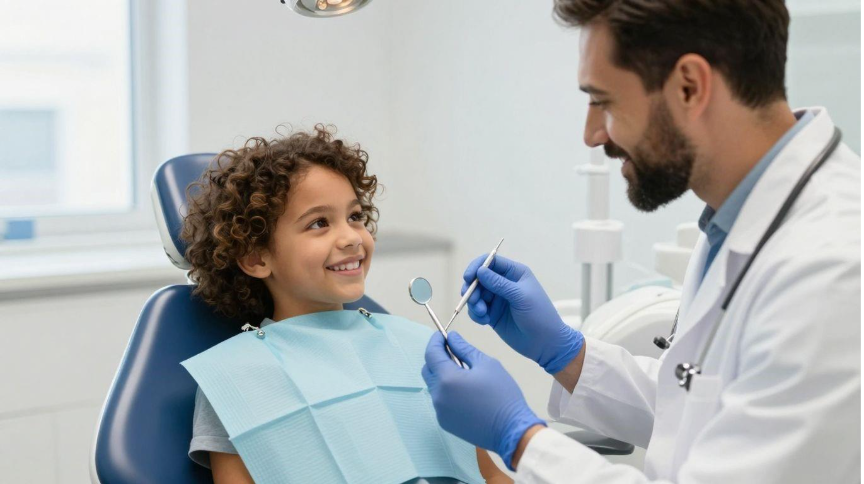
Taking your child to the dentist might seem like a big step, especially for the first time. It's natural to wonder about the right timing and what to expect. This guide aims to clear up any confusion about when to take your child to the dentist, how often they should go, and how to make those visits as smooth as possible.
Key Takeaways
- The first dental visit for a child should happen by their first birthday or six months after their first tooth appears.
- Regular dental check-ups are typically recommended every six months for children, though frequency may vary based on individual needs.
- Early dental visits help children get comfortable with the dentist and establish good oral hygiene habits from a young age.
- Signs like tooth pain, bleeding gums, or visible decay mean your child should see a dentist sooner than their regular appointment.
- Preparing your child by talking about the visit simply and avoiding scary words can help reduce anxiety and make the experience more positive.
Why Early Dental Visits Matter for Children
Starting dental visits early for your little one is a really good idea, even before they have many teeth. It's not just about checking for cavities, though that's part of it. These early appointments help your child get used to the dental office and the people who work there. Think of it as introducing them to a new place in a calm, friendly way. This helps build a positive feeling about taking care of their teeth from the very beginning.
When a child sees the dentist for the first time, it's often called a "happy visit." The main goal is to make sure everything is developing as it should and to get your child comfortable. It's a chance for them to sit in the dental chair, maybe have their teeth counted, and just explore a bit. This familiarity can make future visits much smoother and less stressful.
Here’s why these early check-ins are so important:
- Early Detection of Problems: Dentists can spot potential issues like early childhood tooth decay before they become big problems. This decay can happen as soon as the first tooth appears, often from sugars in milk, juice, or other drinks left on the teeth.
- Establishing Good Habits: These visits are a great time for parents to learn about proper brushing and flossing techniques for young children. It helps set up a routine for good oral hygiene that can last a lifetime.
- Preventing Future Anxiety: Introducing dental care in a positive way can prevent dental anxiety later on. If a child associates the dentist with a calm and friendly experience, they are less likely to develop fears.
Untreated tooth decay can cause pain and affect a child's ability to sleep, learn, speak, and eat properly. Addressing issues early can prevent more serious treatments down the road.
It’s all about creating a foundation for a lifetime of healthy smiles. Getting your child accustomed to the dentist early on is a simple step that can make a big difference in their overall dental health.
The Recommended Age for a Child’s First Dental Visit
So, when exactly should you schedule that very first trip to the dentist for your little one? It’s a question many parents ponder, and the general advice is pretty straightforward. The recommendation is to schedule the first dental visit around the time the first tooth appears, or by the child's first birthday, whichever comes first.
This initial visit isn't about a deep cleaning or complex procedures. Think of it more as a "happy visit" or an introduction. The main goals are to get your child comfortable with the dental environment and the dentist, and for the dentist to check that everything is developing as it should. It’s also a great chance for parents to ask questions and get advice on how to best care for those tiny teeth and gums right from the start.
Here’s a quick rundown of what this first visit typically involves:
- A gentle look at the teeth and gums.
- Discussion about oral hygiene habits for infants and toddlers.
- Answering any questions you might have about teething, pacifier use, or diet.
- Familiarizing your child with the dental chair and the office setting.
It might seem early, but these initial appointments are key. They help prevent potential problems down the road and set the stage for a lifetime of good oral health.
What Happens During a Child’s First Dental Appointment
So, you're wondering what actually goes down during that very first trip to the dentist with your little one? It's totally normal to feel a bit unsure, but the main idea is to make it a positive and low-key experience.
The primary goal is to get your child comfortable with the dental environment and the dental team. Dentists often start with simple things, like playing a game to count teeth or asking your child to draw a picture of their mouth.
Here’s a general idea of what to expect:
- A Gentle Examination: The dentist will take a look inside your child's mouth to check on the development of their teeth and gums.
- Discussion with Parents: The dentist will discuss brushing techniques, fluoride use, and answer any concerns.
- Building Familiarity: The dental team helps make the office feel safe and welcoming.
The entire visit is designed to be brief and reassuring. It's about establishing a foundation for good oral health habits.
Signs Your Child Should See a Dentist Sooner
While regular dental check-ups are important, there are times when your child should see a dentist sooner.
- Sudden tooth pain or sensitivity.
- Swelling in the gums or face.
- Bleeding gums.
- Chipped or broken teeth.
- White spots or dark spots on teeth.
- Bad breath that doesn’t go away.
Early intervention is key when it comes to children’s dental health.
How Often Should Children Visit the Dentist After the First Appointment
After the first visit, most children should see the dentist every six months. These routine visits help keep teeth clean and catch issues early.
During these visits, you can expect:
- Professional cleaning.
- Examination of teeth and gums.
- Fluoride treatment when needed.
- Advice on brushing and flossing.
Your dentist may adjust the visit schedule based on your child’s specific needs.
Putting It All Together
Starting dental visits early helps build comfort and confidence. Regular check-ups, a positive attitude, and guidance from your dental team all work together to support your child’s oral health.
Frequently Asked Questions
When should a child’s very first dental visit happen?
It should happen about six months after the first tooth appears or by the first birthday.
What happens during a child's first dental appointment?
The dentist performs a gentle exam and talks with parents about oral care.
How often should children go to the dentist after their first visit?
Usually every six months, unless advised otherwise.
What are signs a child needs to see a dentist sooner?
Tooth pain, visible spots, or swelling are common signs.
How can parents reduce dental anxiety?
By using positive language and keeping explanations simple.
What should parents do if their child has a cavity?
They should visit the dentist promptly for evaluation and treatment.
Blog Post Author

Contributed by DentalROI
DentalROI provides relevant dental content to help providers educate patients. The statements, services, and products referenced in this article have not been evaluated by the Food and Drug Administration, and they are not intended as a substitute for professional medical advice, diagnosis, or treatment. Always seek the advice of your dental provider with any questions or issues you may have. Specific recommendations may vary in different circumstances, so individual consultation is important.