
Why Are My Teeth Turning Yellow Even Though I Brush
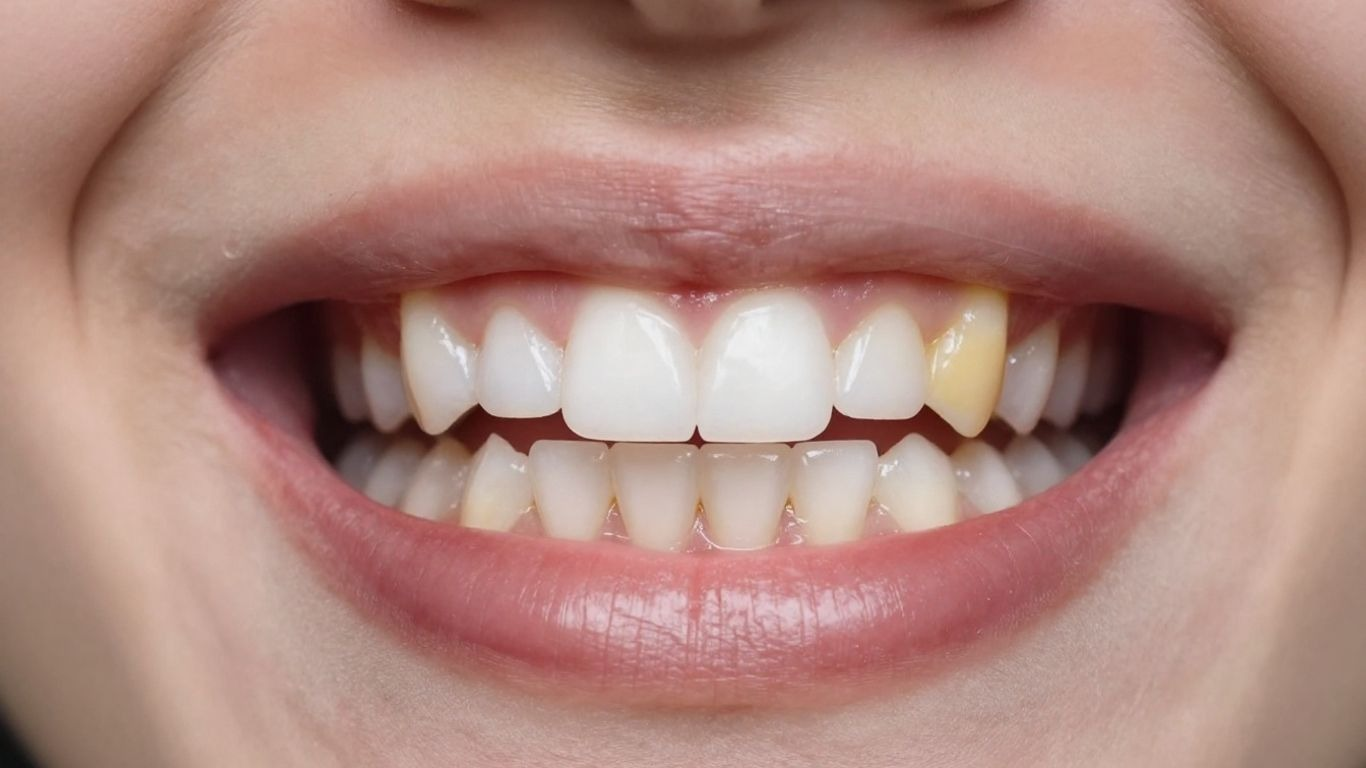
It's super frustrating, right? You're brushing away twice a day, maybe even using that fancy whitening toothpaste, and yet, your teeth still seem to be leaning towards a yellow hue. You're not alone in this; it's a common puzzle. The truth is, brushing alone doesn't always win the battle against yellowing teeth. There are a bunch of reasons why this happens, and most of them have nothing to do with you slacking on your oral hygiene.
Teeth yellowing despite brushing causes
So, what's going on? It's not just about plaque buildup anymore. Several factors can contribute to teeth yellowing despite brushing, and understanding them is the first step to getting that brighter smile back.
- Genetics: Yep, your DNA plays a role. Some people naturally have thinner enamel or a dentin layer that's naturally more yellow. It's just how you're built!
- Aging: As we get older, our enamel naturally thins out. Think of it like paint wearing off a wall over time. When the enamel gets thinner, the naturally yellowish dentin underneath shows through more, making teeth appear yellower.
- Diet: Those colorful foods and drinks we love? They can leave their mark. Coffee, tea, red wine, berries, and even tomato sauce contain pigments that can stick to your teeth.
- Enamel Wear: Beyond just aging, things like grinding your teeth (bruxism) or acidic foods and drinks can wear down your enamel over time.
- Fluorosis: This happens when you get too much fluoride, usually during childhood when teeth are developing. It can cause white or brown streaks, but sometimes it shows up as yellow spots.
It's easy to think that yellow teeth mean you're not cleaning them properly, but that's often not the case. Many of the reasons for yellowing are internal or related to the natural structure and aging of your teeth, things your toothbrush can't fix on its own.
Why teeth still yellow after brushing aging factors
As mentioned, aging is a big one. It's not just about stains accumulating; it's about the actual structure of your teeth changing. The outer layer, the enamel, gets thinner. Beneath that is dentin, which is naturally yellow. So, as enamel thins, more of that yellow dentin shows through. It's a natural process, like getting wrinkles, but for your teeth. Plus, over the years, stains from food, drinks, and habits can really build up and become harder to remove with just brushing.
Common Reasons Teeth Discolor Even With Good Hygiene
So, you're brushing twice a day, maybe even flossing, but your teeth still look a bit… yellow. It's a super common frustration, and honestly, it's not always about how often you hit the toothbrush. There are a bunch of reasons teeth discolor even with good hygiene that most people don't think about.
Foods and drinks that stain teeth
This is a big one. Some of our favorite things to eat and drink can really do a number on our pearly whites. Think about coffee, tea, red wine, and even berries. These guys have strong pigments that can stick to your enamel over time. It’s like a permanent marker for your teeth, and brushing alone can’t always scrub it all off. Even things like tomato sauce or curry can contribute to staining.
- Coffee and Tea: Dark pigments that cling to enamel.
- Red Wine: Contains chromogens and tannins that stain.
- Berries: Dark colors can seep into enamel.
- Sodas and Sports Drinks: Often acidic and colored.
It's not just about the color of the food or drink; acidity plays a role too. Acidic items can wear down your enamel, making it easier for stains to set in and for the naturally yellower layer underneath, called dentin, to show through.
Why teeth still yellow after brushing aging factors
As we get older, our teeth naturally change. The outer layer, the enamel, gets thinner. It’s like the protective shield wearing down. Underneath the enamel is dentin, which is naturally more yellow. So, as the enamel thins, more of that yellow dentin shows, making teeth appear yellower. This happens regardless of how well you brush.
Brushing mistakes that keep teeth yellow
Sometimes, even with the best intentions, we can mess up our brushing technique. Brushing too hard can actually wear down your enamel over time, which, as we just talked about, makes teeth look yellower. Using a hard-bristled brush can have the same effect. Also, if you're not brushing for the full two minutes recommended by dentists, you might not be cleaning all the surfaces effectively, leaving room for stains to build up. Skipping flossing is another common mistake that lets plaque and stains accumulate between teeth.
Why Teeth Yellow: Causes and Solutions
So, you're brushing like a champ, but your teeth still look a bit… yellow? It’s a super common thing, and honestly, it’s not always about how often you hit the toothbrush. There are a bunch of reasons why teeth can change color, even when you’re doing your best to keep them clean. Let's break down the why teeth yellow causes and solutions.
Best Whitening Treatments for Yellow Teeth
If you're looking for a serious brightness boost, sometimes brushing just won't cut it. Professional treatments are where it's at. They can tackle stains that are deeper than just the surface.
- In-Office Bleaching: This is the fast track. Your dentist uses a strong whitening gel, often with a special light, to whiten your teeth significantly in just one visit. It’s quick and effective.
- Custom Take-Home Trays: Your dentist makes trays that fit your teeth perfectly. You get professional-strength gel to use at home for a couple of weeks. It’s a bit slower than in-office, but you get great results and can do touch-ups later.
- Professional Cleaning: Sometimes, what looks like yellowing is actually built-up tartar and stubborn surface stains. A good deep clean from your dentist or hygienist can remove these, revealing a brighter smile underneath.
It's important to remember that not all yellowing is the same. Some discoloration is deeper within the tooth, and that's where professional help really shines.
How to Keep Teeth White After Whitening
Okay, so you've got that brighter smile – awesome! Now, how do you keep it that way? It’s all about being mindful of what you eat, drink, and how you care for your teeth.
- Watch What You Eat and Drink: Coffee, tea, red wine, dark berries, and tomato sauce are notorious stain culprits. Try to limit these, or at least rinse your mouth with water afterward. Using a straw for dark drinks can also help.
- Maintain Good Oral Hygiene: Keep up with brushing twice a day and flossing once a day. Use a soft-bristled brush and fluoride toothpaste. Gentle, consistent care is key.
- Avoid Smoking: Tobacco products are a major cause of stubborn tooth stains. Quitting is one of the best things you can do for your overall health and your smile.
- Regular Dental Check-ups: Stick to your 6-month cleaning appointments. Your dentist can catch early signs of staining or enamel wear and give your smile a professional refresh.
Consistency is your best friend when it comes to maintaining a white smile after treatment.
So, What's the Deal with Yellow Teeth?
Look, it's totally understandable to feel a bit bummed when you're brushing away and still seeing yellow. Turns out, our teeth aren't naturally bright white like in the movies. Things like what we eat and drink, how our teeth are built naturally (thanks, genetics!), and even just getting older can all play a role. Brushing is super important for keeping things clean and fighting off plaque, but it can't always tackle those deeper stains or changes in your enamel. If you're really bothered by the color, chatting with your dentist is a great next step. They can help figure out exactly why your teeth are yellow and talk you through the best ways to get that brighter smile you're after, whether it's a professional cleaning or something else.
Frequently Asked Questions
Why do my teeth still look yellow even if I brush them every day?
Even if you brush regularly, your teeth might still look yellow for a few reasons. Sometimes, the stains are too deep for brushing to reach, like from certain foods and drinks. Also, the natural color of your teeth or how thick your enamel is can play a role. Brushing mainly cleans the surface, not the deeper color.
What foods and drinks make teeth yellow?
Many colorful foods and drinks can stain your teeth over time. Think about coffee, tea, red wine, dark sodas, and even tomato sauces or dark berries. If these aren't cleaned off your teeth quickly, their colors can stick and make your teeth look yellow.
Can getting older make my teeth turn yellow?
Yes, as you get older, your teeth can naturally become more yellow. The outer layer of your teeth, called enamel, gets thinner over time. Underneath the enamel is a layer called dentin, which is naturally yellowish. When the enamel thins, this yellow color shows through more.
Are there brushing mistakes that can make teeth look more yellow?
You bet! Brushing too hard can wear down your enamel, making the yellow dentin show more. Using a brush with hard bristles can also be tough on your enamel. Not brushing for the full two minutes or skipping flossing can leave plaque and stains behind, making teeth look dingy.
Is it possible that my genes make my teeth look yellow?
It's true! Your genes can influence the natural color of your teeth. Some people are just born with thinner enamel or a naturally yellower shade of dentin, which makes their teeth appear more yellow, even if they have great dental habits.
What's the best way to deal with yellow teeth if brushing isn't enough?
If brushing isn't getting your teeth as white as you'd like, you have options! A professional cleaning at the dentist can remove tough stains and tartar. For a brighter smile, you can look into professional whitening treatments like in-office bleaching or custom take-home trays. Sometimes, even veneers can be a good solution for stubborn discoloration.
Blog Post Author

Contributed by DentalROI
DentalROI provides relevant dental content to help providers educate patients. The statements, services, and products referenced in this article have not been evaluated by the Food and Drug Administration, and they are not intended as a substitute for professional medical advice, diagnosis, or treatment. Always seek the advice of your dental provider with any questions or issues you may have. Specific recommendations may vary in different circumstances, so individual consultation is important.