
Why Does My Jaw Pop When I Open My Mouth Wide?
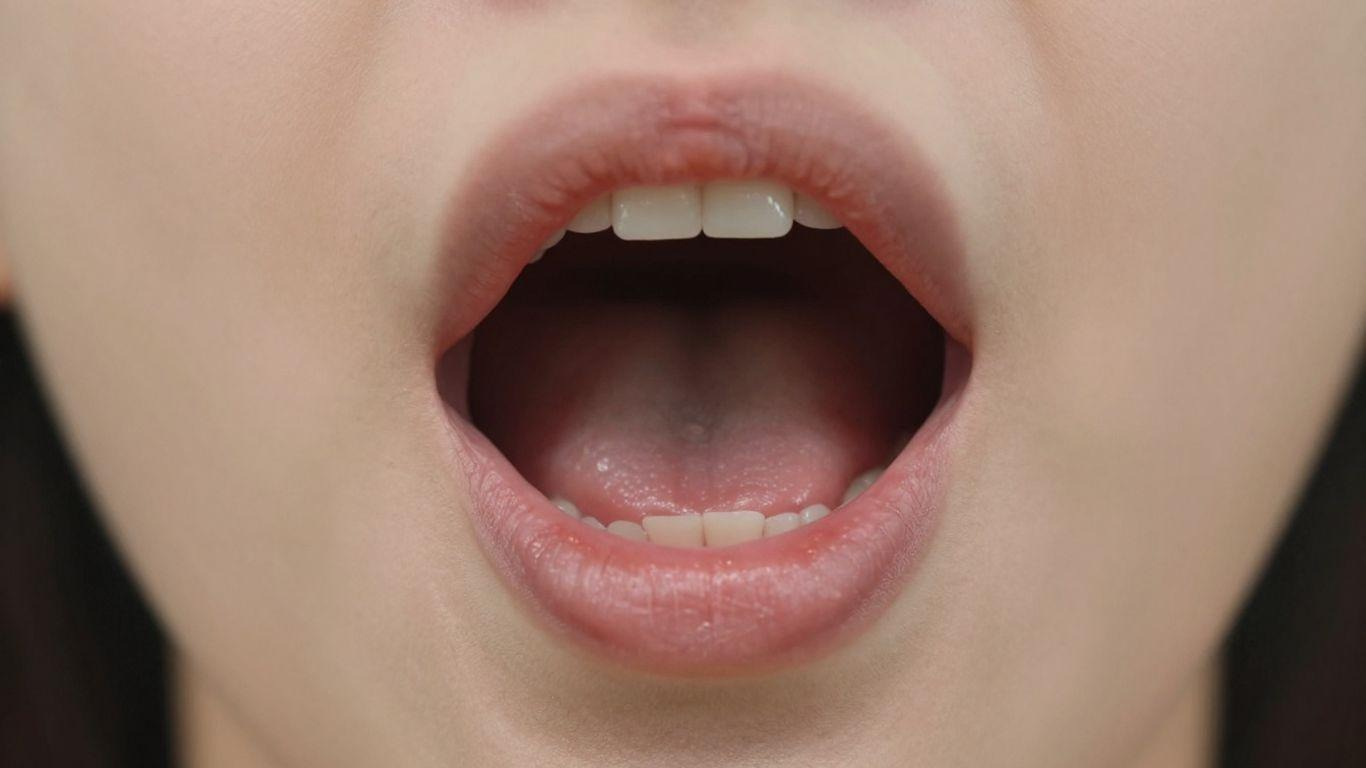
Ever open your mouth wide to yawn or take a big bite of a sandwich, only to hear a distinct pop or click from your jaw? You're definitely not alone. This is a super common thing, and while it can be a bit startling, it's usually nothing to freak out about. So, why does my jaw pop when I open my mouth wide? It all comes down to your temporomandibular joint, or TMJ for short. Think of it as the hinge that lets your jaw move up, down, and side to side. When this joint, or the little disc of cartilage inside it, moves just right (or sometimes, not so right), you get that popping sound.
Jaw Popping When Opening Mouth: Common Causes
There are a bunch of reasons why you might hear that pop. Sometimes, it's just the way your joint is built, or maybe a little bubble of gas in the joint fluid bursts – kind of like cracking your knuckles. Other times, it's a sign that the cartilage disc has shifted a bit and then snapped back into place. This can happen with everyday actions like chewing, talking, or even just yawning.
- Gas bubbles: Yep, just like in your knuckles, gas can build up in the joint fluid and make a popping sound when it's released.
- Disc displacement: The little cartilage disc in your TMJ can sometimes slip out of its usual spot and then pop back in.
- Hypermobility: Some folks just naturally have looser joints, which can lead to more clicking and popping.
- Bad habits: Constantly chewing gum, biting your nails, or clenching your jaw can put extra stress on the TMJ, leading to popping.
Why Your Jaw Clicks When Opening Wide
Often, that click or pop happens when your jaw is moving through its full range of motion. It might be that a part of your lower jaw bone is briefly passing over a ridge in your upper jaw bone. If there's no pain associated with it, this kind of jaw popping when opening mouth is typically considered normal. However, if the popping is accompanied by discomfort, or if your jaw starts to feel stiff or even lock up, it might be pointing to something more, like mild TMJ dysfunction (TMD).
It's easy to dismiss a little jaw pop as just a quirky body noise, but paying attention to when and how it happens can give you clues about your jaw health. Persistent popping, especially if it comes with pain or difficulty moving your jaw, is worth a closer look.
Sometimes, the reason why your jaw clicks when opening wide is related to how your teeth fit together. If your bite isn't quite right, it can put uneven pressure on your TMJ over time, leading to those sounds.
Jaw Joint Popping: Causes and Treatment
So, your jaw is making some noise, huh? That popping or clicking sound when you open wide, chew, or even just yawn can be a bit startling. Let's break down what might be going on with your jaw joint and what can be done about it. This is all about jaw joint popping causes and treatment, and we'll touch on what TMJ jaw popping might mean.
TMJ Jaw Popping: What Does It Mean?
That popping sound often comes from your temporomandibular joint, or TMJ for short. Think of it as the hinge for your jaw. Sometimes, the little disc of cartilage inside this joint can shift a bit. When it moves back into place, pop! You might also hear it if gas bubbles in the joint fluid burst, kind of like cracking your knuckles. For many people, this is totally normal and nothing to stress about. However, if the popping comes with pain, difficulty moving your jaw, or other issues, it could be a sign of temporomandibular disorder (TMD).
Here are some common reasons your jaw might be popping:
- Disc Displacement: The cartilage disc in your TMJ can slip out of its usual spot and then snap back. This is a frequent culprit for clicking sounds.
- Joint Fluid Bubbles: Just like in other joints, tiny gas bubbles can form in the fluid that lubricates your TMJ. When these bubbles pop, you get that clicking sound.
- Hypermobility: Some folks naturally have looser joints, including their jaw. This extra movement can lead to popping sounds.
- Bruxism (Teeth Grinding/Clenching): Grinding or clenching your teeth, especially at night, puts a lot of stress on your TMJ, which can cause popping.
- Arthritis: Wear and tear on the joint can reduce the cartilage, leading to friction and noise.
When jaw popping is just an occasional sound without any discomfort, it's usually not a big deal. But if it starts to interfere with your daily life or causes pain, it's worth looking into.
Treatment for jaw popping really depends on what's causing it and how severe the symptoms are. For mild cases, simple changes might do the trick. If things are more serious, you might need professional help.
- Lifestyle Adjustments: Try to avoid habits that strain your jaw, like chewing gum constantly, biting nails, or eating very hard or chewy foods.
- Home Care: Applying ice or heat to the jaw area can help with discomfort. Over-the-counter pain relievers like ibuprofen can also manage inflammation.
- Mouthguards: If you grind your teeth, a dentist can make a custom mouthguard to protect your jaw and teeth.
- Physical Therapy: Specific exercises and massage techniques can help relax jaw muscles and improve joint function.
- Medication: In some cases, doctors might prescribe muscle relaxants or other medications to help with pain and tension.
- Dental Treatments: If a misaligned bite is the issue, treatments like braces, crowns, or bridges might be recommended.
- Surgery: For severe, persistent problems, surgical options like arthrocentesis (joint fluid removal) or arthroscopy (minimally invasive joint examination) might be considered. In rare cases, more extensive surgery to repair or replace the joint may be necessary.
Is Jaw Popping Something to Worry About?
So, your jaw's making a little noise when you open wide. It's that pop or click you hear when you're mid-yawn or taking a big bite. Most of the time, this is just your jaw joint doing its thing, and honestly, it's pretty common. Think of it like your knuckles cracking – sometimes it just happens. But when should you actually start paying closer attention?
When Should You See a Dentist for Jaw Popping?
While a random pop now and then might not be a big deal, there are definitely signs that suggest it's time to get it checked out by a dental professional. Ignoring these signals could lead to bigger issues down the road.
Here are a few things to watch out for:
- Pain or Discomfort: This is the big one. If that popping sound comes with any kind of ache, tenderness, or sharp pain in your jaw, face, or even your ears, it's a clear sign something's up. It could be a sign of temporomandibular joint disorder (TMD).
- Limited Movement: Can you not open your mouth as wide as you used to? Does your jaw feel like it's getting stuck or locking up, either when you're trying to open it or close it? That's not normal and needs a look.
- Trouble Eating or Chewing: If you're finding it difficult or painful to chew certain foods, especially tougher or chewier ones, your jaw might be telling you it's not happy.
- Headaches or Ear Issues: Sometimes, jaw problems can show up as frequent headaches, a feeling of fullness in your ears, or even ear pain. It's weird how connected everything is, right?
- Changes in Your Bite: Have you noticed that your teeth don't seem to fit together the same way when you bite down? This could indicate a shift or misalignment in your jaw.
It's easy to dismiss a little pop or click, especially if it doesn't hurt. But your jaw joint is a complex piece of machinery that we use constantly. When it starts making noise, it's often its way of signaling that something isn't quite right with the joint's structure or how it's moving.
If you're experiencing any of these symptoms along with the popping, it's definitely worth a visit to your dentist. They can help figure out what's causing the noise and make sure it doesn't turn into a more significant problem.
How to Treat and Relieve a Popping Jaw
So, your jaw's making a little noise when you open up. Annoying, right? The good news is, there are usually ways to deal with it, and you don't always need a superhero cape. Often, simple changes and home care can make a big difference.
Home Remedies and Exercises for Jaw Popping
Before you go thinking you need a complex medical procedure, let's talk about what you can do right at home. Sometimes, it's just about tweaking a few habits or giving your jaw some TLC.
- Ice and Heat: Just like with a sore muscle, alternating between a cold compress and a warm one can help. Ice can reduce swelling and give your jaw joint a break, while heat can relax those tight muscles. Try holding an ice pack or a warm washcloth to the side of your jaw for about 10-15 minutes at a time.
- Softer Foods: If you're constantly munching on crunchy apples or tough jerky, your jaw might be protesting. Try sticking to softer foods for a while – think smoothies, yogurt, mashed potatoes, or scrambled eggs. It gives your jaw a chance to rest.
- Habit Check: Are you a nail-biter? Do you chew gum for hours on end? Or maybe you have a habit of clenching your jaw when you're stressed? These little things can put extra strain on your jaw joint. Try to be mindful of these habits and consciously stop them. It might feel weird at first, but it's worth it.
- Stress Management: This one's a biggie. When we're stressed, we tend to tense up, and that often includes our jaw. Finding ways to relax, whether it's deep breathing, a bit of gentle stretching, or just taking a break, can really help ease jaw tension.
Sometimes, the simplest solutions are the most effective. Paying attention to what you eat, how you use your jaw, and managing stress can go a long way in quieting down that popping sound.
While these home remedies are great for mild issues, if the popping is persistent, painful, or you're having trouble opening your mouth, it's definitely time to chat with your dentist. They can figure out exactly what's going on and suggest the best next steps, which might include things like a custom mouthguard or even physical therapy if needed.
Conclusion
So, that popping sound in your jaw? It's usually your temporomandibular joint (TMJ) doing its thing. While it's often nothing to stress about, especially if it doesn't hurt, it's good to know when to get it checked out. Things like bad habits, a little joint fluid action, or even just how your jaw is built can cause it. But if pain shows up, or your jaw starts acting weird, a trip to the dentist is a smart move. They can help figure out if it's something simple or if you need a bit more help to get your jaw feeling right again.
Frequently Asked Questions
What makes my jaw pop when I open it?
Your jaw pops because of the small joints that let you move your jaw, called the temporomandibular joints, or TMJ for short. Sometimes, when you open your mouth wide, a little bit of gas in the joint fluid can pop, like cracking your knuckles. Or, a small piece of cartilage in the joint might shift a bit and then snap back into place. It's usually not a big deal.
Is jaw popping a sign of TMJ disorder?
Sometimes, jaw popping can be a sign of TMJ disorder, but not always. If your jaw pops but doesn't hurt, it's often just a normal thing. But if the popping comes with pain, makes it hard to open your mouth, or causes headaches, it might be a sign of TMJ disorder, and you should see a dentist.
When should I worry about my jaw popping?
You should start to worry if your jaw popping starts to hurt, if your jaw gets stuck when you open or close it, or if you have trouble chewing. Also, if you get frequent headaches, ear pain, or your bite feels off, it's a good idea to get it checked out by a dental professional.
Can I fix jaw popping at home?
For mild cases, yes! Try to stop habits like chewing gum all the time or biting your nails. Using a warm or cold pack on your jaw can help too. Some simple jaw relaxation exercises might also help ease the popping. Just be gentle with yourself.
What do dentists do for a popping jaw?
Dentists can look at your jaw and figure out why it's popping. If it's from grinding your teeth, they might suggest a mouthguard to wear at night. If your teeth aren't lined up right, braces could be an option. In some cases, they might suggest physical therapy or other treatments to help your jaw joint work better.
Can jaw popping cause long-term problems?
Usually, if your jaw just pops without pain, it won't cause long-term issues. But if it's a sign of TMJ disorder and it's not treated, it could potentially lead to more problems with your jaw joint over time. That's why it's important to see a dentist if you have pain or other worrying symptoms.
Blog Post Author

Contributed by DentalROI
DentalROI provides relevant dental content to help providers educate patients. The statements, services, and products referenced in this article have not been evaluated by the Food and Drug Administration, and they are not intended as a substitute for professional medical advice, diagnosis, or treatment. Always seek the advice of your dental provider with any questions or issues you may have. Specific recommendations may vary in different circumstances, so individual consultation is important.