
How Botox Can Improve Your Smile?
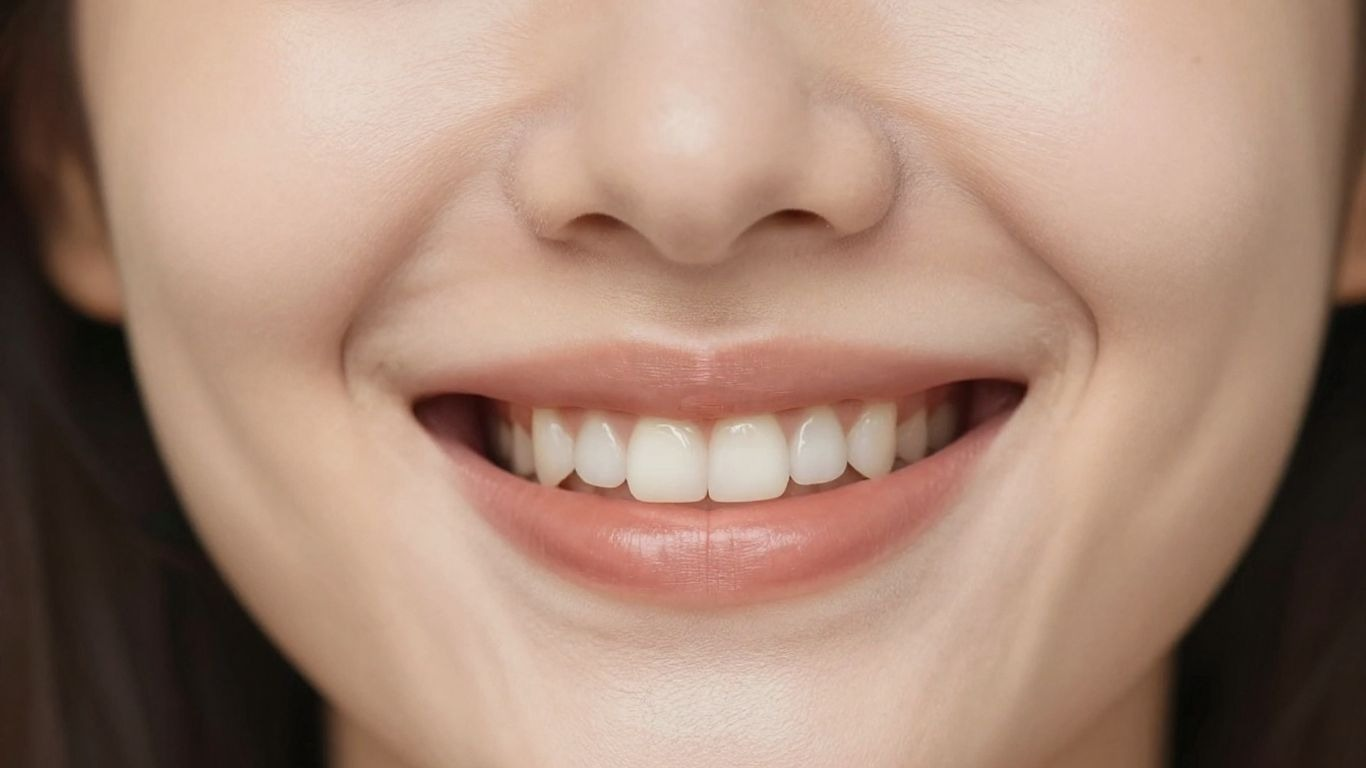
You know, we often think of Botox for smoothing out wrinkles on our forehead or around our eyes. But it turns out, this stuff can actually do wonders for your smile too. It’s not just about looking younger; it’s about feeling more confident when you flash those pearly whites. Dentists are even using it now, which is pretty cool. Let’s chat about how Botox can improve your smile and what you need to know.
Top Things to Know
- Botox can help with a gummy smile by relaxing the muscles that lift the upper lip too high.
- It can smooth out fine lines and wrinkles around your mouth, making your smile look younger.
- Botox can also help with jaw clenching and teeth grinding (bruxism) by relaxing jaw muscles.
- Dentists are qualified to administer Botox for smile improvements because they understand facial anatomy.
- Results from Botox for smile enhancement are temporary and typically last a few months.
How Can Botox Improve Your Smile?
You might think of Botox as just for wrinkles, but it can actually do some pretty cool things for your smile too. It's not just about looking younger; it's about making your smile look its best. So, how exactly does botox improve smile aesthetics?
Botox works by temporarily relaxing muscles. When it comes to your smile, certain muscles can cause issues that make you feel less confident. For instance, if you have a "gummy smile" where a lot of your gums show when you grin, it's often because the muscles pulling up your upper lip are a bit too active. A little bit of Botox in those specific spots can relax them, making your lip sit a bit higher and showing off your teeth more than your gums. It's a simple fix that can make a big difference.
Then there are those little lines that pop up around your mouth, especially when you smile. We call them smile lines, and while they show you've lived and laughed, sometimes they can be a bit distracting. Botox can soften these lines by relaxing the muscles that create them, leading to a smoother look around your lips. This doesn't mean you can't smile; it just means the lines aren't as deep.
It's amazing how a small adjustment to muscle activity can change the whole perception of a smile. It's about balance and making sure your smile looks natural and pleasing.
Another thing Botox can help with is lip symmetry. If one side of your lip is a bit higher or lower than the other when you smile, Botox can help even things out by relaxing the muscles that are pulling unevenly. This leads to a more balanced and attractive smile.
So, does Botox change your smile? Yes, it can, but in a good way! It's not about creating a frozen expression; it's about refining the way your muscles work to create a more harmonious and aesthetically pleasing smile. It can help with:
- Reducing the appearance of a gummy smile.
- Softening fine lines and wrinkles around the mouth.
- Improving lip symmetry for a more balanced look.
- Potentially helping with jaw tension that can affect your smile.
What Is Dental or Smile Botox?
So, you've heard about Botox for wrinkles, right? Well, it turns out this stuff can do more than just smooth out your forehead. When we talk about "dental" or "smile" Botox, we're basically talking about using this muscle-relaxing treatment to help out with things around your mouth and jaw that affect how your smile looks and feels. It's not just about looking younger, though that's a nice bonus for some. Dentists, especially those who know a lot about the muscles in your face, can use tiny amounts of Botox to help with specific issues.
Here are a few common things smile Botox can help with:
- Gummy Smiles: If you feel like you show too much gum when you smile, Botox can relax the muscles that pull your upper lip up too high.
- Lines Around the Mouth: Those little lines, sometimes called "smoker's lines" even if you don't smoke, can be softened by relaxing the muscles that create them.
- Lip Symmetry: If one side of your lip is a little higher or lower than the other when you smile, Botox can help even things out.
- Jaw Tension and Grinding: This is a big one. If you clench your jaw or grind your teeth (bruxism), Botox can relax those powerful jaw muscles. This not only protects your teeth but can also make your jawline look a bit slimmer and more balanced.
It's important to remember that Botox for dental or smile purposes is usually given in very small doses, targeted at specific muscles. The goal is often to create a more balanced and natural look, not to freeze your face into a permanent expression. A qualified dentist understands the facial anatomy well enough to make these precise adjustments.
So, it's a pretty versatile tool that goes beyond just cosmetic tweaks. It can actually help with some functional issues too, making your smile both look and feel better.
Botox Injections Around the Mouth: What You Need to Know
So, you're curious about getting Botox around your mouth? It's not just for forehead wrinkles, believe it or not! This stuff can actually do some pretty neat things for your smile and the area around it. Think of it as a way to fine-tune those little muscles that control how your mouth moves.
Botox injections around the mouth work by temporarily relaxing specific muscles that might be causing certain aesthetic or functional issues. It's a pretty straightforward process, but knowing a bit more beforehand can help you feel more comfortable.
Here’s a quick rundown of what you should know:
- Gummy Smiles: If you feel like too much gum shows when you smile, Botox can help. It relaxes the muscles that pull your upper lip up too high, so you see more teeth and less gum. It usually takes just a few days to notice a difference, and the effect lasts a few months.
- Down-Turned Mouth Corners: Sometimes, the muscles at the corners of your mouth pull downwards, making you look a bit sad even when you're not. Botox can relax these muscles, allowing the corners of your mouth to lift slightly, giving you a more pleasant resting expression and a happier-looking smile.
- Lines and Wrinkles: Expression lines, like those little "smoker's lines" or "marionette lines" around your mouth, can be softened with Botox. By limiting the muscle movement that causes these lines, your skin looks smoother.
- Jaw Clenching (Bruxism) and TMJ: If you grind your teeth or have jaw pain from TMJ, Botox can be a game-changer. It relaxes the strong jaw muscles, reducing the tension and pain associated with these conditions. This can also help prevent further wear on your teeth.
It's important to remember that Botox is a medical treatment. While it's generally safe when administered by a trained professional, it's not a magic wand. Results are temporary, and you'll likely need follow-up treatments to maintain the effects. Always discuss your goals and any concerns with your provider before starting treatment.
When you get Botox injections around your mouth, the goal is usually to achieve a more balanced and aesthetically pleasing look, or to alleviate discomfort from muscle-related issues. It's all about targeting those specific muscles to get the results you're looking for.
Can Botox Improve Your Smile and Facial Appearance Together?
So, you're thinking about Botox for your smile, but maybe you're wondering if it can do more than just fix a specific lip issue. The cool thing is, yes, it totally can! Your smile isn't just about your teeth; it's how your whole face moves when you're happy, talking, or just being you. Botox can actually work with your overall facial look.
Here are a few ways it ties into your overall facial appearance:
- Gummy Smile Fix: If you feel like too much gum shows when you smile, Botox can relax the muscles that pull your upper lip up too high. This lets your lip sit more naturally, showing off your teeth better.
- Lip Line Softening: Those vertical lines, sometimes called "smoker's lines," can really distract from a nice smile. Botox can soften these by relaxing the muscles that cause them.
- Jaw Tension Relief: Believe it or not, Botox can help with jaw clenching or grinding. Relaxing those strong jaw muscles can not only save your teeth but can also subtly slim the jawline, which contributes to facial balance.
- Lip Symmetry: If one side of your lip pulls a bit differently than the other when you smile, Botox can help even things out for a more balanced look.
It's all about creating a harmony between your teeth, lips, and the muscles that move them. When these elements work together smoothly, your smile just looks more natural and appealing. It's like fine-tuning the whole picture, not just one small part.
So, when a dentist or aesthetic professional looks at your smile, they're not just seeing your teeth. They're seeing the whole dynamic. Botox can be a fantastic way to improve your smile and facial appearance together by addressing muscle-related concerns that affect how your smile looks and feels. It's a pretty neat way to get a more confident, natural-looking smile that fits your whole face.
Benefits of Using Botox for Smile Enhancement
So, you're thinking about Botox for your smile? It's pretty cool how this stuff can do more than just smooth out wrinkles. When it comes to your smile, Botox can really make a difference in a few key ways.
First off, let's talk about the "gummy smile." You know, when you smile and a lot of your gums show? It's usually because the muscles that pull up your upper lip are a bit too active. A little bit of Botox can chill those muscles out, letting your lip sit a bit more naturally and showing off your teeth instead of all that gum. It's a pretty simple fix for something that can make a big difference in how you feel about smiling.
Then there are those little lines that pop up around your mouth, especially when you smile or talk. We call them "smile lines" or "lipstick lines" sometimes. Botox can relax the muscles that create these lines, making them way less noticeable. This can make the whole area around your mouth look smoother and, honestly, a bit younger. It's like giving your smile a subtle refresh.
Botox can also help if one side of your mouth tends to pull down more than the other, making your smile look a little uneven. By carefully injecting Botox into specific muscles, a skilled practitioner can help balance things out, leading to a more symmetrical and pleasing smile.
Here’s a quick rundown of what Botox can do for your smile:
- Reduces a gummy smile: Less gum, more teeth showing when you beam.
- Smooths lines around the mouth: Say goodbye to those pesky wrinkles that appear when you smile.
- Improves lip symmetry: Helps create a more balanced look if one side of your smile is a bit different from the other.
- Eases jaw tension: Can help with clenching and grinding, which is good for both comfort and dental health.
It’s pretty amazing how a few small injections can have such a noticeable impact on your overall facial appearance and how confident you feel when you flash those pearly whites.
Risks and Side Effects of Smile Botox
While Botox is generally considered safe, especially when administered by a trained professional, it's not without potential downsides. Like any medical procedure, there are risks and side effects to be aware of before you decide to go for it.
Most commonly, you might experience some temporary discomfort at the injection site. This can include:
- Slight pain or tenderness
- Minor swelling
- Bruising
These usually clear up within a day or two. Some people also report getting headaches or flu-like symptoms shortly after treatment, though this isn't super common.
More specific to smile Botox, there's a chance of unintended muscle relaxation. This could lead to things like:
- A temporary droopy eyelid (ptosis)
- Uneven smile or difficulty with certain facial expressions
- Dry eyes or excessive tearing
These are typically mild and resolve as the Botox wears off. It's really important to discuss your medical history and any concerns you have with your provider beforehand. They can help you understand the likelihood of these side effects based on your specific situation.
It's also worth remembering that Botox is not a permanent fix. The effects wear off, usually within 3 to 6 months, and you'll need follow-up treatments to maintain the results. This means ongoing costs and continued exposure to the potential side effects.
How Many Botox Units Are Needed for Smile Correction?
So, you're curious about how much Botox it takes to get that smile looking just right? It's not a one-size-fits-all answer, honestly. The amount of Botox needed really depends on what you're trying to fix and how your facial muscles are working.
Think about it: fixing a gummy smile is different from smoothing out those little lines around your lips, or even addressing a smile that seems to turn down. Each of these issues involves different muscles and requires a different approach.
Here's a general idea of what might be involved:
- Gummy Smile: Often, just a few units (maybe 2-10) injected into the muscles that pull your upper lip up are enough to make a noticeable difference. The goal is to gently relax those muscles so less gum shows when you smile.
- Lip Lines (Smoker's Lines): For those fine vertical lines above or below your lips, it might take a bit more, perhaps 4-10 units spread across the area. This helps to soften the lines by relaxing the small muscles responsible for them.
- Down-turned Smile: To lift the corners of the mouth, a few units (usually around 3-6) are injected into the muscles that pull the mouth downwards. This helps to create a more neutral or slightly upturned resting smile.
The exact number of units is always determined during your consultation. Your injector will look at your specific facial structure, how your muscles move when you smile, and what your desired outcome is.
It's important to remember that using too much Botox can make your smile look unnatural or affect your ability to talk and eat properly. A skilled injector knows how to balance effectiveness with natural movement.
Your dentist or cosmetic professional will map out the injection sites and decide on the precise dosage. They'll consider factors like your age, the strength of your muscles, and whether you've had Botox before. It’s all about precision to get you the best, most natural-looking results.
How Long Does Smile Botox Last?
So, you've gotten Botox to help out your smile, and you're wondering how long you can expect to enjoy those results. It's a pretty common question, and the answer isn't exactly the same for everyone, but there are some general timelines.
Typically, you can expect the effects of smile Botox to last somewhere between 3 to 6 months.
Why the range? Well, a few things play a role:
- Where the injections were placed: Different muscles around the mouth have different strengths and are used more or less frequently. For example, Botox used to relax muscles causing a downturned smile might last a bit differently than Botox used to smooth out lip lines.
- How much Botox was used: More units generally mean a longer-lasting effect, up to a point.
- Your own body: Everyone metabolizes Botox at their own pace. Factors like your metabolism, activity level, and even sun exposure can influence how quickly the effects fade.
- The specific issue being treated: If you're treating something like jaw clenching or facial spasms, the duration might also vary compared to purely cosmetic smile enhancements.
For issues like gummy smiles or downturned lips, you'll often see results for about 3 to 4 months. If it's being used for lip lines, it might lean closer to the 4 to 6-month mark. Some sources even mention up to six months for certain applications, especially when combined with other dental work.
So, while you won't have to worry about frequent visits, you should plan on needing follow-up treatments if you want to maintain your improved smile. It's a good idea to chat with your provider about what timeline is most realistic for your specific treatment plan.
So, Is Botox Right For Your Smile?
So, there you have it. Botox isn't just for smoothing out wrinkles on your forehead anymore. It can actually do some pretty neat things for your smile, whether you're dealing with a gummy smile, some pesky lines around your lips, or even jaw tension. It’s kind of wild how a little injection can make such a difference in how you look and feel. Of course, it's not a magic fix for everyone, and you'll want to chat with your dentist to see if it’s a good fit for what you're hoping to achieve. But if you're curious about giving your smile a little boost, it's definitely something worth exploring.
Frequently Asked Questions
What exactly is Botox and how does it help smiles?
Botox is a special liquid made from a purified protein. When a tiny amount is injected by a trained professional, it temporarily relaxes muscles. For smiles, this means it can smooth out lines around your mouth, reduce a 'gummy' smile by adjusting how your upper lip moves, or even help with jaw tension. It's like a temporary pause button for certain muscle actions that affect how your smile looks and feels.
Can a dentist really give Botox injections?
Yes, many dentists are trained and qualified to give Botox injections, especially around the mouth and jaw area. They have a deep understanding of the muscles and structures in your face, which is super important for getting great results. They can also combine Botox treatments with other dental work to improve your smile even more.
What's a 'gummy smile' and how does Botox fix it?
A gummy smile is when a lot of your gums show when you smile. This often happens because the muscles that lift your upper lip are a bit too active. Botox can be injected into these specific muscles to gently relax them. This makes your upper lip rest a little lower, so you see more of your teeth and less of your gums when you smile.
How long do the effects of Botox for smiles last?
The results from Botox for smile improvements usually last for about 3 to 6 months. After this time, the muscles gradually start to move normally again, and you might need another treatment if you want to keep the same look. It's not permanent, which is good because it lets you try it out and see if you like it.
Are there any side effects I should know about?
Like any procedure, there can be some minor side effects. You might experience a little pain, swelling, or bruising where the shot was given. Some people get headaches or flu-like symptoms for a short time. Rarely, you might get a temporary droopy eyelid or a slightly uneven smile. It's important to talk to your provider about all possible risks.
How many units of Botox are typically needed for smile improvements?
The number of Botox units needed really depends on what you're trying to fix and how strong your muscles are. For example, smoothing out lip lines might need fewer units than relaxing the muscles for a gummy smile. Your dentist or injector will figure out the exact amount needed during your consultation, based on your specific smile and goals.
Blog Post Author

Contributed by DentalROI
DentalROI provides relevant dental content to help providers educate patients. The statements, services, and products referenced in this article have not been evaluated by the Food and Drug Administration, and they are not intended as a substitute for professional medical advice, diagnosis, or treatment. Always seek the advice of your dental provider with any questions or issues you may have. Specific recommendations may vary in different circumstances, so individual consultation is important.